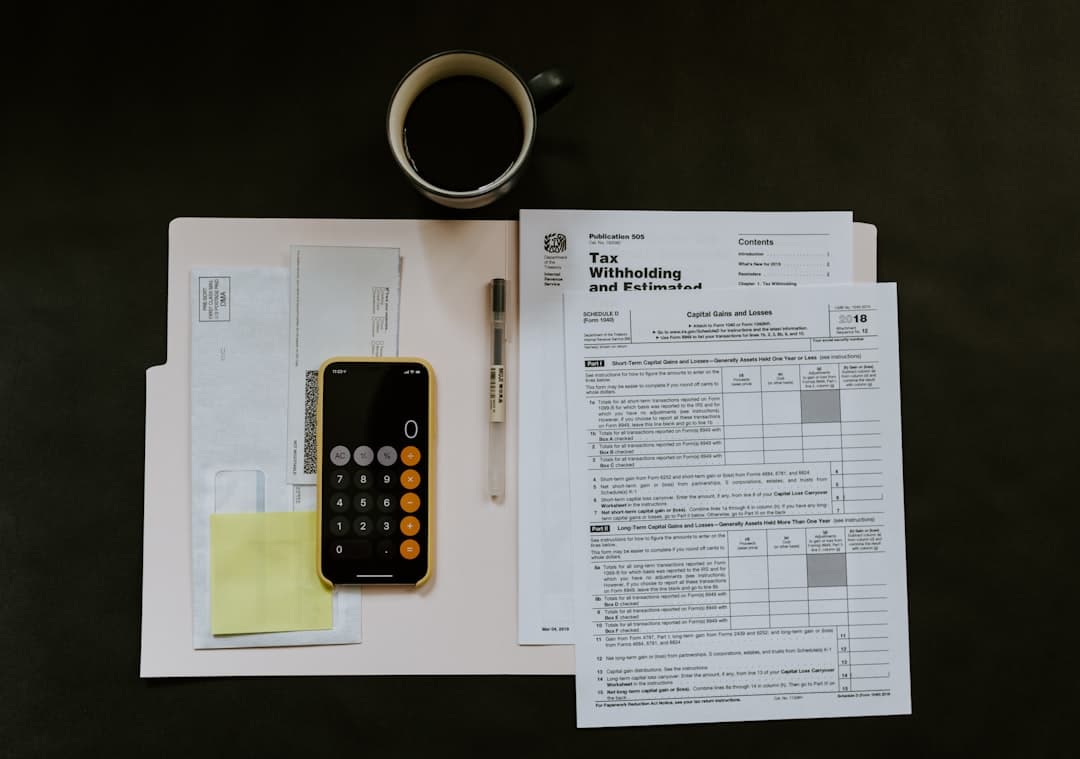
Can I still file taxes while in foreclosure?
Yes, you absolutely can and should file your taxes even if you're in foreclosure. Your foreclosure and your annual tax filing are separate legal processes, and failing to file taxes can actually make your financial situation worse. The IRS doesn't pause tax obligations during foreclosure, and filing on time helps you manage any tax liability that may result from the foreclosure itself.
In fact, filing taxes correctly during foreclosure is one of the most important financial steps you can take to protect yourself from additional debt and penalties.
What is "cancellation of debt" income and why does it matter?
When a lender forecloses on your home or you complete a short sale, the difference between what you owe and what the property sells for may be considered "cancellation of debt" (COD) income by the IRS. For example, if you owe $300,000 and the home sells for $250,000, that $50,000 difference could be reported as taxable income to you.
This is critical because your lender will typically file IRS Form 1099-C (Cancellation of Debt) reporting this amount, and you'll receive a copy. If you don't address this on your tax return, the IRS will expect you to pay taxes on this "phantom income," potentially creating a new debt problem on top of your foreclosure.
What is the Mortgage Forgiveness Debt Relief Act?
Federal law provides important protection under the Mortgage Forgiveness Debt Relief Act of 2007 (extended multiple times and currently in effect). This law allows you to exclude up to $750,000 of cancelled mortgage debt from your taxable income if the debt was used to buy, build, or substantially improve your primary residence.
Florida homeowners in foreclosure can often use this exemption to avoid paying federal income taxes on the cancelled debt. However, this exemption does not apply automatically—you must claim it on your tax return using IRS Form 982. State income taxes are a different matter; Florida has no state income tax, which is a major advantage for Florida homeowners facing this situation compared to residents of other states.
Do I need to report foreclosure on my tax return?
You don't file a separate "foreclosure form," but you may need to report the debt cancellation on your tax return using Form 982 (Reduction of Tax Attributes Due to Discharge of Indebtedness). The timing depends on when the foreclosure is completed and the Form 1099-C is issued.
Foreclosure sales typically occur on the courthouse steps, and your lender must send you the 1099-C within 60 days of the sale. You'll then have until the tax filing deadline the following year to report it. For example, if your foreclosure sale closes in June 2024, you'd receive the 1099-C by August 2024 and would report it on your 2024 tax return (due April 15, 2025).
What if I'm in a loan modification or forbearance agreement?
If you're currently in a loan modification, forbearance agreement, or working toward a loan modification, you typically won't receive a 1099-C because the foreclosure hasn't been completed. Your tax situation remains normal until and unless the foreclosure actually goes to sale.
However, if the lender partially forgives debt as part of a loan modification (reduces your principal balance), this could trigger cancellation of debt income. Always ask your loan servicer in writing whether any debt forgiveness is part of your modification agreement, so you can prepare accordingly.
What about property taxes and homestead exemption during foreclosure?
Property taxes and your homestead exemption are separate from income taxes but equally important. In Florida, homeowners can claim a homestead exemption that reduces assessed property value by up to $50,000, significantly lowering your annual property tax bill. This exemption continues during foreclosure as long as you still own the property.
However, if your mortgage is in default, some tax assessors may question your homestead eligibility. Continue to file your homestead exemption application annually during foreclosure to ensure you receive the benefit. After the foreclosure sale, you lose homestead eligibility because you no longer own the property.
Can I deduct mortgage interest if I'm in foreclosure?
As long as you still own the property and the loan is in your name, you can continue to deduct mortgage interest and property taxes on Schedule A (if you itemize deductions). Once the foreclosure sale is final and the property no longer belongs to you, you can no longer deduct these expenses.
This is another reason to file an accurate tax return during foreclosure—don't leave money on the table by failing to claim deductions you're entitled to while you still own the home.
What if I can't file taxes or don't have money to pay?
If you're unable to file taxes due to financial hardship, you can request an automatic extension from the IRS by filing Form 4868. This gives you an additional six months to file without penalty. You don't need to explain your foreclosure situation; the extension is available to anyone who needs more time.
If you owe taxes but can't pay in full, the IRS offers several options including installment agreements, offer in compromise, or currently not collectible status for those experiencing hardship. These programs can help you manage the tax debt that may result from foreclosure without creating additional crisis.
Should I hire a tax professional?
Given the complexity of cancellation of debt, Form 982, and potential interaction with your foreclosure timeline, working with a qualified tax professional (CPA or tax attorney) is strongly recommended. The cost of professional help is often far less than the tax liability you could face by filing incorrectly or not addressing the cancellation of debt income.
Additionally, a tax professional can help you explore whether you might qualify for other deductions or credits that could offset tax liability from the foreclosure, such as the Earned Income Tax Credit or credits for property taxes paid.
Can foreclosure affect my tax refund?
If you're owed a tax refund for the year your foreclosure completes, the IRS can offset your refund to pay down certain federal debts (this is called a "tax offset"). However, this typically applies only to federal student loans, taxes owed to the IRS, or unpaid child support—not to private mortgage debt.
That said, if you owe back taxes or penalties, the IRS might use your refund to satisfy that debt. This is another reason to address your tax situation proactively during foreclosure rather than ignoring it.
What documents should I keep for my taxes?
During and after foreclosure, preserve these documents for your tax file:
- Your original mortgage note and deed of trust showing the original loan amount
- All 1099-C forms from your lender (you'll receive copies; keep them)
- Property tax statements and proof of homestead exemption filings
- Loan modification agreements or forbearance letters from your servicer
- Documentation of any principal reduction or debt forgiveness
- Foreclosure sale documents (deed from the sale, final judgment if applicable)
- Proof of short sale proceeds (if applicable) and closing statement
Key Takeaway
Foreclosure and taxes are interconnected for Florida homeowners, but the Mortgage Forgiveness Debt Relief Act and proper tax planning can help you avoid turning foreclosure into a tax crisis. File on time, claim the Form 982 exemption if you qualify, and consider consulting a tax professional to ensure you're handling this correctly. Don't ignore the tax side of foreclosure—it's every bit as important as the legal side.
Facing foreclosure in Florida? Get free help today — no cost, no obligation. We can connect you with foreclosure defense attorneys, HUD counselors, and tax professionals who understand both the legal and financial sides of your situation.