
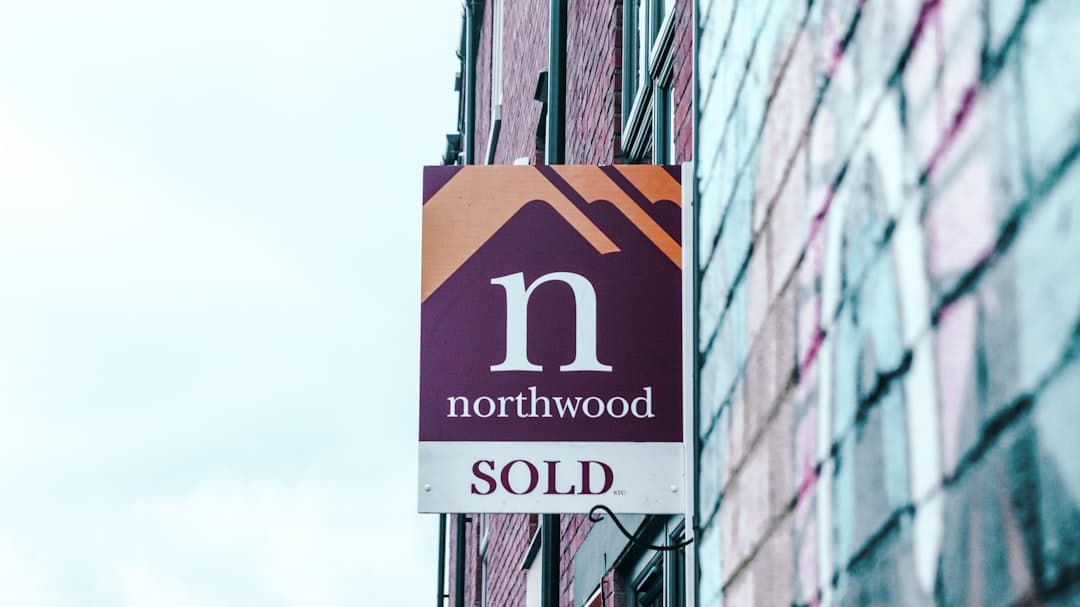
Yes, you can sell your house during foreclosure in Florida — and in most cases, you should. Selling your home before the foreclosure sale is complete protects your credit, preserves any equity you have, and avoids the possibility of a deficiency judgment. You retain full ownership rights until the clerk issues a certificate of title to the winning bidder at the foreclosure auction.
Many Florida homeowners believe that once they receive a foreclosure notice or a lis pendens is filed, their ability to sell is gone. That is not true. The Florida foreclosure process is judicial and takes 8 to 14 months on average — see the complete timeline — giving you significant time to list, market, and close a sale. Our equity estimator can help you determine whether you have enough equity to sell. Here is exactly how it works at every stage.
Can You Sell Before the Foreclosure Lawsuit Is Filed?
Selling before the lawsuit is filed is the simplest scenario. At this point, you are delinquent on your mortgage but no legal action has been taken. There is no lis pendens on the property, no public record of the foreclosure, and no court involvement. You can list and sell your home exactly as you would under normal circumstances.
The only difference is timing. You need to close the sale before the lender files the foreclosure complaint, which typically happens 120 to 180 days after the first missed payment. If you know you cannot catch up on payments, listing early gives you the maximum time to find a buyer and close at a good price.
At closing, the title company pays off the mortgage balance (including late fees and accrued interest) from the sale proceeds. If the sale price exceeds what you owe, you receive the difference. This is the cleanest exit — your credit takes a hit from the late payments, but there is no foreclosure on your record.
Can You Sell After a Lis Pendens Is Filed?
Yes. A lis pendens is a public notice that a lawsuit affecting the property has been filed. It does not transfer ownership, restrict your ability to sell, or give the bank any additional control over the property. It simply puts potential buyers and title companies on notice that a foreclosure case is pending.
Selling with a lis pendens on the property requires a title company experienced in foreclosure transactions. The title company will coordinate with the lender to obtain a payoff statement, ensure the lis pendens is released at closing, and verify that the sale proceeds cover all outstanding obligations. This is routine work for Florida title companies — thousands of properties are sold with active lis pendens filings every year.
The lis pendens may affect buyer perception, so pricing and marketing strategy matter. Cash buyers and investors are typically unfazed by a lis pendens. Traditional buyers using financing may have additional questions, but a competent listing agent can address those concerns and keep the transaction on track.
What If You Have Equity in Your Home?
If your home is worth more than you owe on the mortgage (including late fees, penalties, and any other liens), you are in an equity position. This is the best-case scenario for selling during foreclosure because you do not need your lender's approval to sell. You list the home, find a buyer, close, and the title company pays off the mortgage from the proceeds.
Here is the step-by-step process for selling with equity during foreclosure:
- Get a market analysis.Work with a REALTOR who understands foreclosure timelines to determine your home's current market value and set a competitive price.
- Request a payoff statement. Contact your lender to get the exact amount needed to satisfy the loan, including all accrued fees and interest.
- List the property. Market the home aggressively to sell quickly. Price it to attract offers within the first two weeks.
- Accept an offer and open escrow. The title company will handle the payoff coordination with your lender.
- Close the sale. The mortgage is paid off from the proceeds, the lis pendens is released, and you receive any remaining equity.
Barrett Henry, a REALTOR with 23+ years of real estate experience and Broker Associate at REMAX Collective, specializes in helping Florida homeowners sell during foreclosure. If you need to move fast, a cash offer can close in as little as 7 days. Also make sure you have filed your answer to the foreclosure complaint to preserve your legal rights while you sell. Timing is everything — the earlier you list, the better your outcome.
What If You Are Underwater on Your Mortgage?
If you owe more than your home is worth, you are underwater (also called negative equity). In this situation, a traditional sale will not generate enough proceeds to pay off the mortgage. You have two primary options: a short sale or a deed in lieu of foreclosure.
A short sale requires your lender to agree to accept less than the full balance owed. The process takes longer than a regular sale because the lender must review and approve the offer. Typical short sale timelines in Florida range from 60 to 120 days from offer to closing, depending on the lender's responsiveness.
The advantages of a short sale over foreclosure are significant:
- Less credit damage. A short sale typically drops your credit score by 100 to 150 points, compared to 150 to 250 points for a foreclosure.
- Shorter waiting period. After a short sale, you may qualify for a new mortgage in as little as 2 years. After foreclosure, the waiting period is typically 3 to 7 years depending on the loan type.
- Deficiency protection. Many short sale agreements include a deficiency waiver, meaning the lender agrees not to pursue the remaining balance.
- Less public stigma. A short sale appears as a negotiated settlement on your credit report, not a foreclosure.
What Does the Title Company Handle During a Foreclosure Sale?
The title company plays a central role in any sale during foreclosure. They handle the payoff coordination with the lender, ensure all liens and encumbrances are addressed, obtain release of the lis pendens, and ensure clean title is transferred to the buyer. Specifically, the title company will:
- Order and review a title search to identify all liens, judgments, and encumbrances
- Request a payoff statement from the mortgage servicer
- Coordinate with the lender's attorney to release the lis pendens at closing
- Ensure any junior liens or HOA assessments are addressed
- Distribute funds at closing according to the settlement statement
- Record the deed transfer and lis pendens release with the county
Choose a title company with specific experience in foreclosure and distressed property transactions. Not all title companies are comfortable handling these closings, and an inexperienced company can delay or derail the transaction.
What Happens to the Foreclosure Case When You Sell?
When you sell the home and pay off the mortgage, the foreclosure case becomes moot. The lender's attorney will file a voluntary dismissal of the foreclosure action, and the lis pendens will be released. The case is over, and no foreclosure will appear on your record from the court's perspective.
However, the late payments and lis pendens that occurred before the sale will still appear on your credit history. The late payments will remain on your credit report for seven years from the date of the first delinquency. Our guide on the credit impact of foreclosure breaks down the scoring differences between a sale, short sale, and completed foreclosure. The key difference is that a resolved foreclosure (sale completed, debt paid) is viewed far more favorably by future lenders than a completed foreclosure and auction.
How to Sell Your Home During Foreclosure: Step-by-Step
Whether you have equity or need a short sale, here is the complete process for selling during foreclosure in Florida:
- Assess your situation. Determine whether you have equity or are underwater. Get a professional home valuation and a payoff statement from your lender.
- Hire an experienced agent. Work with a REALTOR who has foreclosure experience and understands the timeline pressures. A foreclosure specialist can coordinate with your lender and the court process simultaneously.
- Price competitively. You are selling against a deadline, so pricing correctly from the start is essential. Overpricing costs you time you do not have.
- Market aggressively. Your agent should use every available channel — MLS, online platforms, investor networks, and direct marketing.
- Negotiate and close. Accept the best offer that allows you to close before the foreclosure sale date. If you need a short sale, submit the offer to the lender for approval and be prepared for negotiation. You may also want to write a hardship letterto support the lender's approval. If the timeline is tight, explore bankruptcy to trigger an automatic stay while your sale closes. Consider loan modification or forbearance as backup options if the sale falls through.
Related Guides
- Selling Before Foreclosure
- 8 Ways to Stop Foreclosure in Florida
- Short Sale in Florida
- Deed in Lieu of Foreclosure
- Get a Cash Offer
- Complete Florida Foreclosure Timeline
- What Is a Lis Pendens?
- How Foreclosure Impacts Your Credit
- Equity Estimator Tool
- Foreclosure Checklist
- Foreclosure Glossary
- How Long Do I Really Have?
- Can I Rent After Foreclosure?
- How Long Before the Bank Forecloses?
If you are in foreclosure and want to explore selling your home, contact us for a free consultation. We will evaluate your equity position, explain your options, and help you move quickly.