
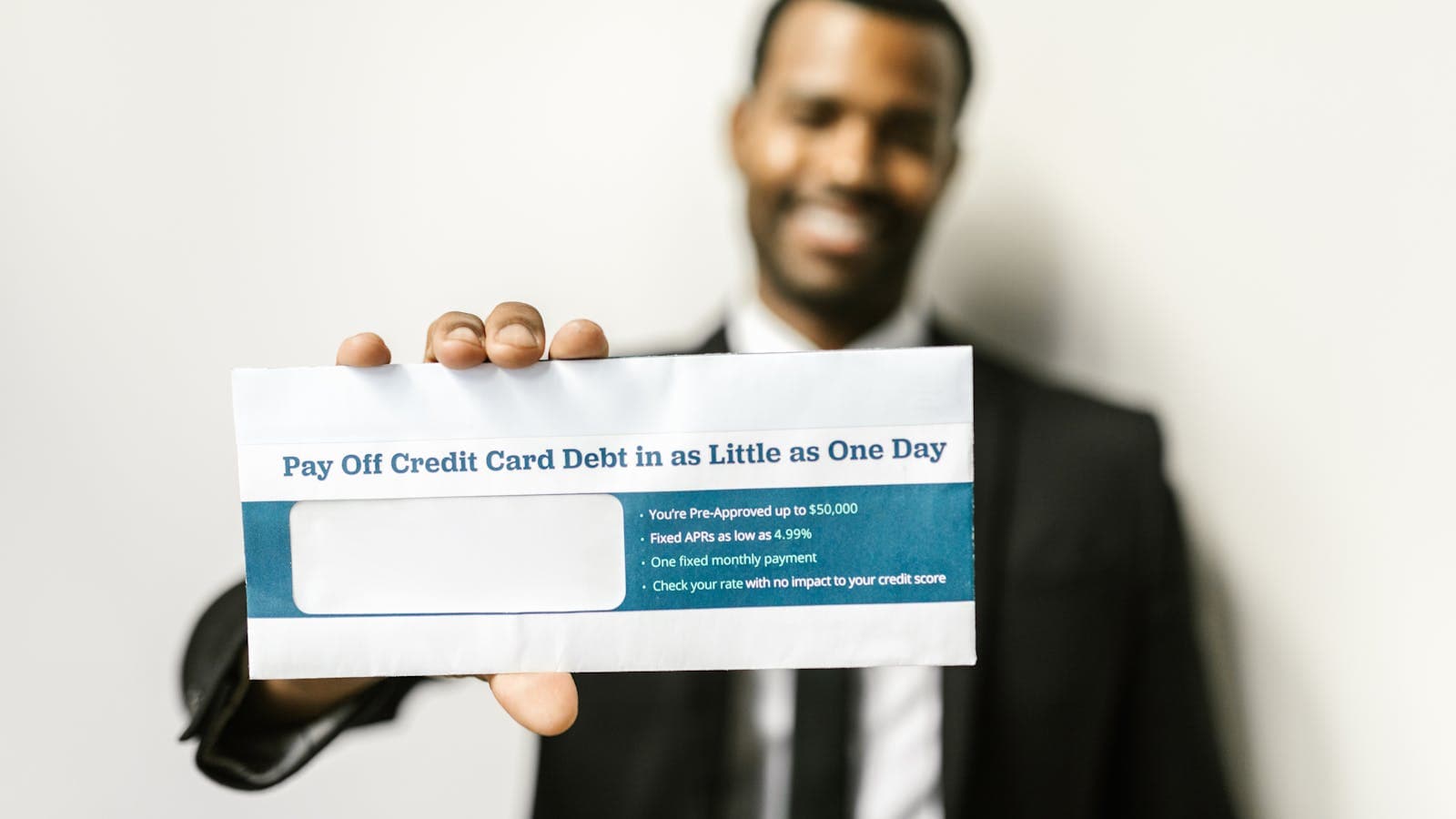
Many Florida homeowners facing foreclosure are also carrying significant credit card debt. The two problems feed each other — credit card payments strain your ability to pay the mortgage, and mortgage stress leads to using credit cards for everyday expenses. Understanding how these debts interact, which to prioritize, and when to consider more comprehensive solutions like bankruptcy can help you make better financial decisions during a difficult time.
Secured vs. Unsecured: The Key Difference
Your mortgage is a secured debt — it is backed by the property. If you do not pay, the lender can foreclose and take the house. Credit card debt is unsecured — there is no collateral. If you do not pay, the credit card company can sue you for a judgment, but they cannot take your Florida homestead.
This distinction matters for prioritization. Losing your home has far more severe consequences than a credit card default. Florida's homestead exemption (Article X, Section 4 of the Florida Constitution) protects your primary residence from most unsecured creditors, making your home one of the safest assets you have.
Which Debt to Prioritize
When you cannot pay everything, prioritize in this order. Our Florida foreclosure checklist and stop-foreclosure guide can help you map your full situation:
- Essential living expenses — food, utilities, medicine
- Car payment — you need transportation for work
- Mortgage — your most valuable asset (if you plan to keep it)
- Insurance — required for your home and car
- Credit cards — unsecured, lowest priority
If you have decided that keeping the home is not viable, the calculation shifts. Redirecting mortgage payments toward credit cards, savings, and transition costs can make sense during the foreclosure process (which takes months in Florida). Read about the credit impact of foreclosure to understand what is coming.
Florida Debt Collection Protections
Florida provides strong protections against unsecured creditors:
- Homestead exemption: Your primary residence cannot be forced sold to satisfy credit card judgments (unlimited value for Florida homestead)
- Head of household wage exemption: If you are the primary earner for your family, your disposable earnings are generally exempt from garnishment
- Retirement account protection: 401(k)s, IRAs, and pensions are generally exempt from creditors
- Motor vehicle exemption: $1,000 in vehicle equity is protected
Negotiating Credit Card Debt
If you are in foreclosure, you have leverage to negotiate credit card settlements:
- Credit card companies know that borrowers in foreclosure may file bankruptcy, which would discharge the credit card debt entirely
- Settlements of 25% to 50% of the balance are common for distressed borrowers
- Hardship programs may offer temporary reduced payments or interest rates
- Get any settlement agreement in writing before making payment
- Settled debt may be reported as taxable income (1099-C)
When Bankruptcy Makes Sense
If you have both mortgage debt and significant credit card debt, bankruptcy may be the most efficient solution because it addresses everything at once:
- Chapter 7: Chapter 7 bankruptcy discharges all credit card debt and the mortgage deficiency. Property goes to foreclosure but you owe nothing after discharge.
- Chapter 13: Chapter 13 bankruptcy keeps your home while restructuring credit card payments. Credit card debt may be paid at pennies on the dollar through the plan.
Be aware that even without bankruptcy, you may face a deficiency judgment after a Florida foreclosure if the sale price is less than what you owe. A lender cannot pursue both a deficiency and have you pay credit cards — discharging via bankruptcy eliminates that risk entirely.
Barrett Henry, a Broker Associate at REMAX Collective with 23+ years of Florida real estate experience, helps homeowners evaluate whether addressing the foreclosure alone (through short sale, modification, or selling before foreclosure) is sufficient, or whether a more comprehensive approach like bankruptcy is needed to address the full financial picture.
Dealing with foreclosure and credit card debt? Contact us today for a free consultation.
