
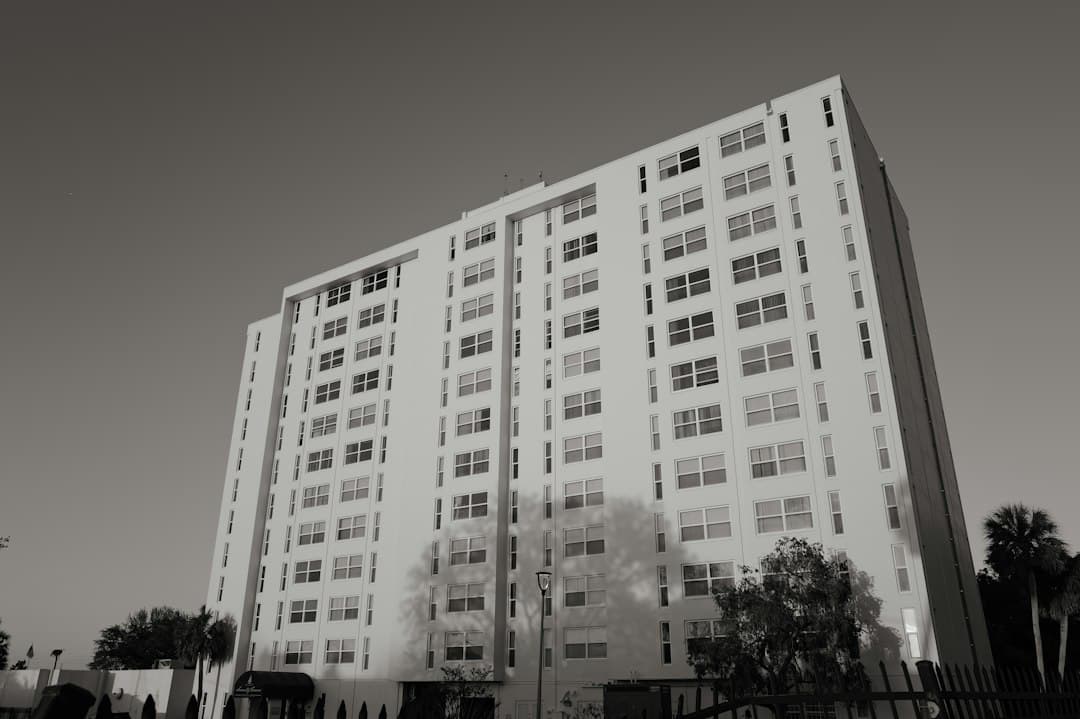
What exactly is a co-op, and why does it matter in a Florida foreclosure?
A housing cooperative — or "co-op" — is a type of shared ownership where you don't actually own your individual unit. Instead, you own shares in a corporation that owns the entire building, and your shares come with a "proprietary lease" that gives you the right to occupy a specific unit. This distinction sounds technical, but it has enormous consequences if you fall behind on payments.
Because you own shares rather than real property, the foreclosure process that applies to traditional homeowners under Florida Statute § 702 does not automatically apply to co-ops. Instead, your co-op corporation can move against you under a completely different legal framework — often much faster than a standard mortgage foreclosure. Florida homeowners in co-ops are frequently blindsided by this difference when financial hardship hits.
How does a co-op terminate your right to stay in your unit?
When a co-op shareholder defaults on their maintenance fees or loan payments, the co-op corporation typically has the right to cancel your proprietary lease and reclaim your shares. This process is governed by the co-op's own bylaws and Florida's corporate law, not the foreclosure statutes that protect traditional homeowners. The co-op may be able to evict you through a straightforward unlawful detainer action — sometimes in a matter of weeks rather than the months or years a judicial mortgage foreclosure can take.
Florida co-ops are primarily governed by Florida Statute Chapter 719, which covers cooperatives specifically. Unlike condominiums (Chapter 718) or HOAs (Chapter 720), co-ops operate under rules that give the corporation significant power over shareholders who fall behind. Your proprietary lease almost certainly spells out the exact process the co-op must follow, so reading that document carefully is one of the first things you should do if you're struggling financially.
If I have a co-op share loan, who can foreclose — the bank or the co-op?
Both can — and sometimes both do at the same time. Many Florida co-op shareholders finance their share purchase through a co-op share loan, which is a personal loan secured by your shares rather than real estate. Your lender holds a security interest in those shares under the Uniform Commercial Code (UCC), not a traditional mortgage lien on real property.
This means your lender can pursue a UCC Article 9 remedy to repossess your shares if you default — a process that can happen with far less court involvement than a standard mortgage foreclosure. Meanwhile, the co-op corporation itself may simultaneously pursue termination of your proprietary lease for unpaid maintenance fees. Facing two separate legal actions at once is a very real possibility for co-op shareholders in financial distress, which is why acting early is critical.
Are there any protections for Florida co-op shareholders facing default?
Florida Statute Chapter 719 does provide some procedural protections, but they are more limited than what traditional homeowners enjoy under the mortgage foreclosure statutes. The co-op must follow the process outlined in its governing documents, which typically requires written notice of the default and an opportunity to cure before the lease is terminated. However, these cure periods may be shorter than the 30- to 45-day windows you might expect in a standard mortgage default situation.
Importantly, the federal CFPB mortgage servicing rules that require loss mitigation review before foreclosure — the rules most Florida homeowners rely on — generally do not apply to co-op share loans because they are not traditional mortgage loans secured by real property. This leaves co-op shareholders with fewer federal safety nets. That said, if your co-op share loan was originated by a large financial institution, some servicers voluntarily offer workout options such as repayment plans or forbearance arrangements, especially if you reach out before you fall too far behind.
Can I sell my co-op shares to avoid losing my home?
Yes — selling your shares is often one of the best options available to a co-op shareholder in financial distress, but there's a critical catch. Most Florida co-op corporations require board approval before any share transfer can be completed. Your co-op's bylaws will spell out the criteria the board uses to evaluate prospective buyers, and boards have historically broad discretion to approve or reject transfers as long as they don't violate fair housing laws.
This board approval requirement means a quick sale to avoid losing your shares is not guaranteed. You need to start the process early — ideally before you've missed payments — to give yourself enough runway for the board review process. If the co-op is also pursuing termination of your lease at the same time, you may be racing against a short timeline. Working with a real estate professional who has experience with Florida co-op transactions is essential, as this is a very different transaction from a standard home sale.
What about bankruptcy — can it help a Florida co-op shareholder?
Filing for bankruptcy does trigger the automatic stay under 11 U.S.C. § 362, which temporarily halts collection actions — including co-op lease termination proceedings and UCC share repossession actions. So yes, bankruptcy can buy you time. A Chapter 13 bankruptcy may allow you to propose a repayment plan to cure arrears on both your share loan and your maintenance fees over three to five years, potentially saving your home in the co-op.
However, Chapter 13 for co-op shareholders is more legally complex than for traditional homeowners. Courts have wrestled with how to treat co-op interests in bankruptcy — are they real property or personal property? The answer affects which exemptions apply and how your plan can be structured. Florida's homestead exemption, which provides powerful protection in traditional home foreclosures, may or may not apply to co-op shares depending on the specific facts of your situation and the court's interpretation. You'll want an experienced Florida bankruptcy attorney to navigate this carefully.
Where are most Florida co-ops located, and is this a growing issue?
Florida's co-op housing stock is concentrated in older communities, particularly in South Florida — Miami-Dade, Broward, and Palm Beach counties — as well as some retirement communities in Pinellas County and along the Gulf Coast. Many of these buildings were constructed in the 1960s and 1970s, and shareholders are often older, fixed-income residents who may be facing the double pressure of rising maintenance fees and reduced income.
As Florida's broader housing market faces stress in 2026, co-op shareholders are a particularly vulnerable group because their legal protections are thinner, their assets are harder to liquidate quickly, and they often lack awareness of the unique rules that govern their situation. If you live in a co-op and you're falling behind, don't assume the same rules and timelines that apply to your neighbor in a condo or single-family home apply to you — they very likely don't.
Facing foreclosure in Florida? Get free help today — no cost, no obligation.
