When a Florida homeowner falls behind on their mortgage and enters the foreclosure process, their attention naturally focuses on the lender and the legal proceedings. But a Florida foreclosure creates other legal obligations that don't disappear while the mortgage fight unfolds: HOA dues continue to accrue, property maintenance remains your legal responsibility, and your neighbors are affected by what happens to the property.
This guide explains what you still owe your HOA and community during a Florida foreclosure, the risks of neglecting those obligations, and how to handle them responsibly while navigating the mortgage crisis.
You Remain the Legal Owner Until the Certificate of Title
In Florida's judicial foreclosure process, you remain the owner of record from the time the lis pendens is filed through the final judgment and auction. The Certificate of Title -- issued after the foreclosure sale -- is the document that transfers ownership to the buyer or the lender. Until that document is issued and recorded, you bear all the legal obligations of ownership.
In a contested foreclosure or a case with a stalled servicer, this period can last 1-3 years or more. Throughout that entire period, you owe HOA dues, property taxes, and have a legal responsibility to maintain the property.
HOA Dues: A Personal Obligation That Keeps Running
Florida Statutes give HOAs (F.S. 720.3085) and condominium associations (F.S. 718.116) the right to collect dues from the owner of record. Stopping mortgage payments does not stop the HOA dues clock.
Condominium associations in Florida have a “super-priority” lien for up to 12 months of unpaid assessments under F.S. 718.116(1) -- meaning the first 12 months of condo dues have priority over most other liens, including in some circumstances the first mortgage. Beyond 12 months, the condo lien is junior to the first mortgage but still enforceable as a separate claim.
If you cannot pay both the mortgage and HOA dues, contact the HOA early and request a hardship payment plan. See our guide on HOA hardship payment plans and our overview of which to pay first: HOA or mortgage.
Property Maintenance During Foreclosure
Most Florida counties and municipalities have property maintenance codes that apply to all property owners, regardless of mortgage status. Common violations that result in code enforcement actions during vacant or neglected foreclosures include:
- Overgrown grass or vegetation exceeding height limits
- Accumulation of debris, junk, or inoperable vehicles
- Structural violations (broken windows, unsecured access points)
- Pool maintenance failures (green water poses a mosquito vector risk)
- Exterior paint or structural deterioration beyond code thresholds
Code enforcement liens attach to the property under the county or municipal code and must be resolved before any title transfer at closing. They accumulate as daily fines in many jurisdictions. If you vacate the property, make arrangements for someone to maintain the yard and exterior, or contact your lender about their property preservation obligations once you have notified them of your departure.
The Zombie Foreclosure Problem
A “zombie foreclosure” occurs when a lender files a foreclosure lawsuit but then allows the case to sit dormant -- sometimes for years -- without completing the process. In some cases, the lender determines the property is worth less than the cost of foreclosure and simply abandons the action without notifying the homeowner.
In zombie foreclosure cases, homeowners have sometimes vacated their homes believing the lender would be taking over, only to discover years later that they are still the legal owner. Title to the property never transferred; the homeowner is still on the hook for property taxes, HOA dues, and code violations -- even though they no longer live there and the property has deteriorated.
If you plan to vacate the property during a foreclosure, check the status of the foreclosure case regularly in the county court records. If the case appears to have stalled, consult a Florida real estate attorney before assuming ownership has transferred.
Impact on Your Neighbors
Research consistently shows that vacant and deteriorating properties reduce the value of homes nearby. The faster a foreclosure resolves -- particularly through a sale that gets a new, engaged owner into the property quickly -- the less harm is done to neighboring homeowners.
As a Florida homeowner in financial distress, you have several options that resolve the situation faster than a contested foreclosure and minimize the impact on your neighbors:
- Sell before foreclosure -- a traditional or AS-IS sale keeps the property occupied and transfers ownership to a new buyer who can maintain it.
- Short sale -- even a short sale to an investor who plans to rent the property is better for the neighborhood than a vacant zombie foreclosure.
- Deed in lieu -- surrendering the property to the lender allows them to begin the REO disposition process faster, returning the property to productive use.
Relocation Assistance and Cash for Keys
Some Florida lenders offer “cash for keys” or formal relocation assistance programs that compensate homeowners for vacating the property and leaving it in good condition. This accelerates the lender's ability to market the property and benefits neighbors by ending the period of uncertainty. See our guide on relocation assistance in Florida foreclosure.
Related Resources
- Paying HOA vs. Mortgage in Florida: Which Comes First? -- priority analysis for homeowners behind on both
- HOA Hardship Payment Plan Request in Florida -- how to negotiate with your HOA while in foreclosure
- What Happens to My HOA During Foreclosure? -- detailed guide to HOA rights and remedies
- What Happens to HOA Dues After Foreclosure? -- how the Certificate of Title cuts off your personal obligation
- Zombie Mortgages in Florida -- when a lender abandons a foreclosure action and leaves you in limbo
- Selling Before Foreclosure in Florida -- the fastest path to resolving ownership and protecting your community
- Relocation Assistance in Florida Foreclosure -- cash for keys and formal relocation programs
- Deficiency Judgments in Florida -- what you may owe after the foreclosure sale
- Foreclosure Survival Checklist -- track all deadlines and action items
- Contact Barrett Henry for a Free Consultation -- Broker Associate at REMAX Collective, 23+ years of Florida real estate experience
About the Author
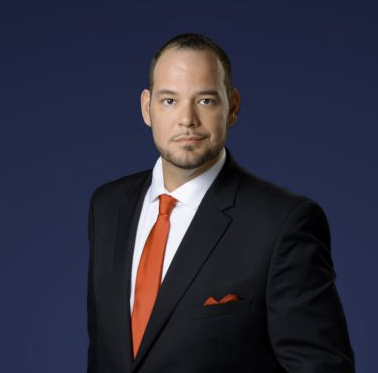
Barrett Henry is a Broker Associate at REMAX Collective and a Florida real estate professional with 23+ years of experience helping homeowners in distress. He works with sellers throughout Tampa Bay and provides referral assistance to homeowners in all 67 Florida counties. This guide reflects general information about Florida law and is not legal advice. Consult a licensed Florida attorney for guidance on your specific situation.
Facing foreclosure in a Florida HOA community? Contact us today for a free consultation -- no cost, no obligation.