Facing foreclosure is stressful enough without worrying about your career. Florida licensed professionals -- real estate agents, insurance agents, physicians, attorneys, and financial advisors -- frequently ask whether going through foreclosure in Florida puts their license at risk. This guide walks through what each major licensing body actually says, where the real risks lie, and what you can do to protect yourself.
The key takeaway: foreclosure alone is almost never automatic grounds for license revocation under Florida law. The danger lies in how you handle disclosure when license applications or renewals directly ask about foreclosures.
How Florida Professional License Regulation Works
The Florida Department of Business and Professional Regulation (DBPR) administers licensing for hundreds of professions, including real estate, insurance, construction, and many others. Each licensed profession is governed by its own Florida statute and has its own enumerated grounds for discipline.
Common themes across Florida professional licensing statutes include grounds for discipline based on fraud, dishonesty, culpable negligence, breach of trust, and crimes involving moral turpitude. A personal mortgage foreclosure -- which is a civil proceeding, not a criminal one, and does not involve fraud or dishonesty in the practice of the profession -- does not fit neatly into any of these categories.
That said, licensing applications and renewals often contain broad questions about court actions, judgments, or financial history. The manner in which you answer those questions matters far more than the foreclosure itself.
Real Estate Licenses and Foreclosure (F.S. 475.25)
Florida real estate licensees are regulated under Florida Statutes Chapter 475. The grounds for discipline under F.S. 475.25 include culpable negligence, breach of trust, false advertising, and various forms of misconduct in the practice of real estate.
A personal mortgage foreclosure on the licensee's own home does not constitute culpable negligence or breach of trust under F.S. 475.25. These concepts relate to how a licensee handles client transactions, not their personal financial situation.
Where real estate agents can get into trouble is if the renewal application asks about court judgments or financial matters and the agent answers inaccurately. If you are exploring a pre-foreclosure sale or a short sale as a Florida real estate agent, those options may also raise questions about your role in the transaction and any conflicts of interest that would need to be disclosed to all parties.
Insurance Licenses and Foreclosure (F.S. 626.611)
Florida insurance agents are licensed by the Florida Department of Financial Services under Chapter 626 of the Florida Statutes. Under F.S. 626.611, the Department can deny, suspend, or revoke a license for acts involving moral turpitude, dishonesty, or breach of trust.
Florida courts and regulators have generally interpreted "moral turpitude" to involve intentional wrongdoing or acts of baseness or depravity. A personal mortgage foreclosure resulting from financial hardship does not meet this standard. There is no element of dishonesty or intentional wrongdoing in failing to make mortgage payments when you cannot afford them.
Insurance agents should review their license application and renewal forms carefully. If the form asks about court actions or judgments and a foreclosure judgment has been entered against you, answer the question accurately.
Medical Licenses and Foreclosure (F.S. 458.331)
Florida physician licenses are regulated by the Board of Medicine under F.S. 458.331. The extensive list of grounds for discipline under that statute focuses on the practice of medicine itself: fraud in billing, false statements on licensure applications, sexual misconduct, incompetence, and similar issues.
Nothing in F.S. 458.331 creates a basis for discipline based on a physician's personal mortgage foreclosure. Florida physicians facing foreclosure can evaluate their options -- including loan modification, deed in lieu of foreclosure, or a pre-foreclosure sale -- without concern that the foreclosure itself will affect their medical license.
The same general principle applies to most other health care professions regulated under Florida law. If your specific profession's licensing statute is not listed here, review the enumerated grounds for discipline in your governing statute -- look for whether financial history is specifically included.
Attorneys and the Florida Bar
The Florida Bar governs attorney conduct under the Florida Rules of Professional Conduct. Florida Bar Rule 4-8.4 identifies acts of dishonesty, fraud, deceit, or misrepresentation as misconduct subject to discipline.
Importantly, bankruptcy is specifically a reportable financial event for Florida Bar members, and the Bar has procedures for attorneys filing bankruptcy. But foreclosure is not the same as bankruptcy. A foreclosure is a creditor action against secured property; it does not involve the attorney in a proceeding related to their fitness to practice law.
Florida attorneys facing foreclosure should distinguish between their personal financial situation and their obligations as officers of the court. The foreclosure itself is not a bar matter. But if an attorney's financial distress leads to commingling client funds, failure to manage a trust account properly, or other professional lapses, those separate acts could trigger Bar scrutiny. Attorneys should consult the Florida Bar's ethics hotline if they have specific questions about their reporting obligations.
Attorneys in foreclosure have the same options as other homeowners: foreclosure defense, loan modification, or a pre-foreclosure sale. A deficiency judgment after foreclosure is also a personal financial concern separate from license status.
Financial Advisors and FINRA Form U4
This is where licensed financial professionals face the most specific and concrete disclosure obligation. FINRA (Financial Industry Regulatory Authority) Form U4 -- the Uniform Application for Securities Industry Registration or Transfer -- includes Question 14K, which directly asks:
Within the past 10 years, has a lien or judgment been filed against you, have you been a defendant in any civil litigation involving fraud, or have you been involved in any personal bankruptcy or foreclosure?
FINRA members are required to disclose residential foreclosures that occurred in the past 10 years. They are also required to amend their Form U4 within 30 calendar days of a reportable event. This means that if your home goes to foreclosure judgment or sale, you must update your Form U4 promptly.
Failure to disclose or a late update is treated as a separate violation from the foreclosure itself and can result in fines, suspension, or other FINRA disciplinary action. The disclosure does not automatically result in termination or loss of registration, but your firm's compliance department will likely be notified, and it may affect your ability to join certain firms or supervisor positions.
If you are a financial advisor exploring a short sale or other foreclosure alternative, those resolution events may also need to be disclosed on Form U4 depending on the specifics. Consult your compliance department or a securities attorney.
The Real Risk: Failure to Disclose
Across all professional licensing contexts, the consistent pattern is this: the foreclosure itself is rarely the problem. The problem arises when a licensed professional is asked a direct question about foreclosures on a license application, renewal form, or regulatory filing, and answers inaccurately or incompletely.
| License Type | Foreclosure Alone a Grounds for Discipline? | Disclosure Risk |
|---|---|---|
| Florida real estate license (F.S. 475.25) | No | Medium -- answer renewal questions accurately |
| Florida insurance license (F.S. 626.611) | No | Medium -- answer application questions accurately |
| Florida medical license (F.S. 458.331) | No | Low -- statute does not address personal finances |
| Florida attorney (Florida Bar) | No (bankruptcy is; foreclosure is not) | Low for foreclosure; higher if financial distress causes practice issues |
| FINRA registered representative (Form U4 Q.14K) | No, but mandatory disclosure required | High -- must disclose within 30 days or face separate violation |
The practical advice is simple: when a licensing application or form directly asks about foreclosures, answer it honestly and completely. If you are unsure what needs to be disclosed, consult a Florida license defense attorney or your compliance department before submitting the form.
Exploring Your Foreclosure Options as a Licensed Professional
Licensed professionals in Florida have the same range of foreclosure alternatives as any other homeowner. If you are behind on your mortgage, your options include working with your servicer on a loan modification, pursuing a short sale before the auction, or requesting a deed in lieu of foreclosure.
Acting early -- before a foreclosure judgment is entered -- gives you the most options and may minimize the credit and financial consequences. See our foreclosure credit score recovery timeline for how foreclosure affects your credit and what you can do to rebuild, and our comparison of short sale vs. foreclosure credit impact if you are weighing whether to pursue a short sale.
For Florida licensed professionals worried about a deficiency judgment after foreclosure, see our guide on deficiency judgments in Florida for how Florida law limits personal liability on certain mortgage deficiencies.
Barrett Henry on Foreclosure and Professional Licensing in Florida
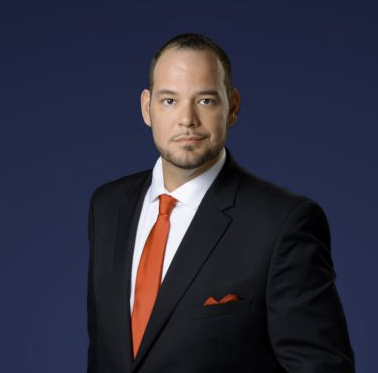
Barrett Henry is a Broker Associate at REMAX Collective with 23+ years of real estate experience helping Florida homeowners navigate foreclosure. Over those years, he has worked with licensed professionals -- real estate agents, physicians, attorneys, and financial advisors -- who feared that a foreclosure would end their career.
In nearly every case, the foreclosure itself was not the career-ending event. What put professionals at risk was the way they responded to disclosure questions -- either because they did not understand what was required or because they hoped the issue would go away if they did not mention it.
If you are a Florida licensed professional facing foreclosure, the first step is getting clear on your financial options so you can resolve the underlying problem as efficiently as possible. Barrett helps licensed professionals throughout Tampa Bay and all 67 Florida counties (via referral) evaluate whether a pre-foreclosure sale, short sale, or other alternative is the right path for their situation.
Facing foreclosure and concerned about your professional license? Contact us today for a free consultation -- no cost, no obligation.