When a Florida homeowner becomes incapacitated -- through dementia, stroke, severe illness, or traumatic injury -- the mortgage does not stop. Payments continue to come due, and lenders follow the same foreclosure timeline regardless of the homeowner's condition. For families suddenly managing a loved one's affairs, this creates an urgent financial and legal problem on top of an already difficult personal situation.
Florida has two primary legal tools to act on behalf of an incapacitated homeowner: a Durable Power of Attorney (established before incapacity) and guardianship (established by the court after incapacity). Understanding which applies to your situation -- and what each one authorizes you to do about the mortgage -- is the first step.
Durable Power of Attorney: The Faster Path
A Florida Durable Power of Attorney (DPOA) under F.S. Chapter 709 is a legal document the homeowner signs while still competent that authorizes a named agent to act on their behalf if they become incapacitated. "Durable" means the authority survives incapacity -- unlike a regular POA, which automatically terminates when the principal loses capacity.
A properly drafted DPOA can authorize the agent to:
- Make mortgage payments on behalf of the principal
- Apply for forbearance, repayment plans, or loan modifications
- List and sell the real property if necessary
- Execute documents at closing on the principal's behalf
If a DPOA exists: Use it immediately. Contact the mortgage servicer, identify yourself as the agent under POA, and send a copy of the document. Under CFPB Regulation X (12 CFR 1024.38), servicers must maintain policies to communicate with authorized third parties. Under the CFPB successor in interest rules (12 CFR 1024.30(f)(2)), a person with authority to act for the borrower has the right to be treated as the borrower for loss mitigation purposes.
If no DPOA exists and the homeowner is already incapacitated: A regular POA cannot be created after incapacity. A guardianship proceeding in the county circuit court is required.
Guardianship: Court-Supervised Authority
Florida guardianship is governed by Chapter 744 of the Florida Statutes. A guardianship proceeding is initiated in the circuit court of the county where the incapacitated person resides. The court appoints a guardian after finding that the person lacks the capacity to manage their own affairs.
Two types of guardianship can apply to real property:
- Plenary guardianship (F.S. 744.331): Full authority over both person and property. The guardian can manage the home, pay mortgage, apply for loss mitigation, and petition the court to sell the property.
- Limited guardianship (F.S. 744.344): Authority is limited to specific areas. If the limited guardianship covers property management, mortgage-related decisions are authorized.
Guardianship is more expensive and time-consuming than using a DPOA -- it requires an attorney, court filing, examination by a committee, and ongoing annual accountings to the court. If time is short because the foreclosure is active, a guardian can request emergency relief from the circuit court.
Emergency Temporary Guardianship (F.S. 744.3031)
If a foreclosure sale is imminent and no guardian has been appointed, an emergency temporary guardian can be appointed by the court without the full hearing process to prevent immediate harm to the ward's estate. The temporary guardianship is limited to the specific emergency (the property) and lasts until the full guardianship proceeding is complete.
This is a tool available when urgency makes the normal timeline unworkable. A Florida elder law attorney can file the emergency petition.
Communicating With the Mortgage Servicer
Servicers are required by CFPB rules (12 CFR 1024.38) to maintain reasonable policies to communicate with authorized third parties and successors. When contacting a servicer on behalf of an incapacitated homeowner:
- Identify yourself and your authority (agent under DPOA or court-appointed guardian)
- Provide the servicer with a copy of the DPOA or guardianship letters
- Request a written statement of the total amount due for reinstatement
- Ask whether a forbearance, repayment plan, or modification is available
- Get all servicer communications in writing
Some servicers require additional verification steps. Do not allow the bureaucracy to delay action on the mortgage. Escalate to a supervisor if necessary, and document every contact.
Reverse Mortgages and Guardianship
If the incapacitated homeowner has a HECM reverse mortgage (Home Equity Conversion Mortgage), the stakes are especially high. HECMs require the borrower to occupy the property as their principal residence. If the borrower moves to a nursing home or assisted living for more than 12 consecutive months without a qualifying co-borrower or eligible non-borrowing spouse remaining in the home, the loan becomes due and payable.
The guardian or estate must decide -- within the timeframe HUD allows after the servicer's notice -- whether to sell, refinance, or allow the property to be taken by the lender. See our guide to HECM reverse mortgage foreclosure for Florida heirs for the full process.
Death of a Homeowner During Foreclosure
If the homeowner dies during an active Florida foreclosure case, the lender may substitute the personal representative of the estate as the defendant and continue the case. Heirs who inherit the property are protected by the Garn-St. Germain Depository Institutions Act (12 U.S.C. 1701j-3), which exempts transfers to heirs from due-on-sale clauses.
CFPB rules (12 CFR 1024.30(d)) require servicers to recognize confirmed successors in interest -- including heirs -- as the borrower for loss mitigation purposes. Heirs who want to keep the property can apply for a modification in their own right. See our guide on Florida foreclosure and death of a homeowner for the complete process.
Adult Protective Services and Financial Exploitation
If a family member suspects that a vulnerable adult's mortgage delinquency results from financial exploitation -- a predatory lender, a caregiver diverting funds, or a scammer -- Florida Adult Protective Services (APS) can investigate under F.S. 415.1034. Report suspected exploitation at 1-800-962-2873 (DCF Abuse Hotline) or online at abuse.dcf.state.fl.us.
Foreclosure rescue scams targeting incapacitated homeowners are a known risk. See our guide on we-buy-houses scams in Florida for warning signs.
Free Resources
- The Florida Bar Lawyer Referral Service -- Connect with a Florida elder law attorney. Call 800-342-8011.
- Florida Legal Services -- Free civil legal help for qualifying low-income Floridians. Visit floridajustice.org.
- Florida Housing HAF Program -- Mortgage reinstatement assistance. Call (833) 987-8997.
- Adult Protective Services -- Report financial exploitation at 1-800-962-2873.
- HUD Housing Counselors -- Free, independent mortgage advice. Call 1-800-569-4287.
How Barrett Henry Can Help
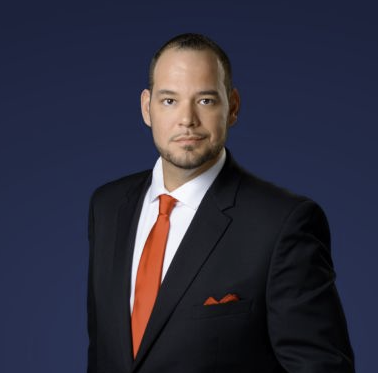
Barrett Henry is a Broker Associate at REMAX Collective with 23+ years of real estate experience. When families need to sell a Florida home on behalf of an incapacitated parent or guardian ward -- whether as a pre-foreclosure sale, short sale, or estate sale -- he handles the process with the documentation and court compliance requirements that guardianship situations require.
See also our guides on Florida foreclosure and Alzheimer's dementia caregiving and Florida probate and foreclosure.
Call or text Barrett at (813) 761-0133. No cost, no obligation. Or submit your information online.