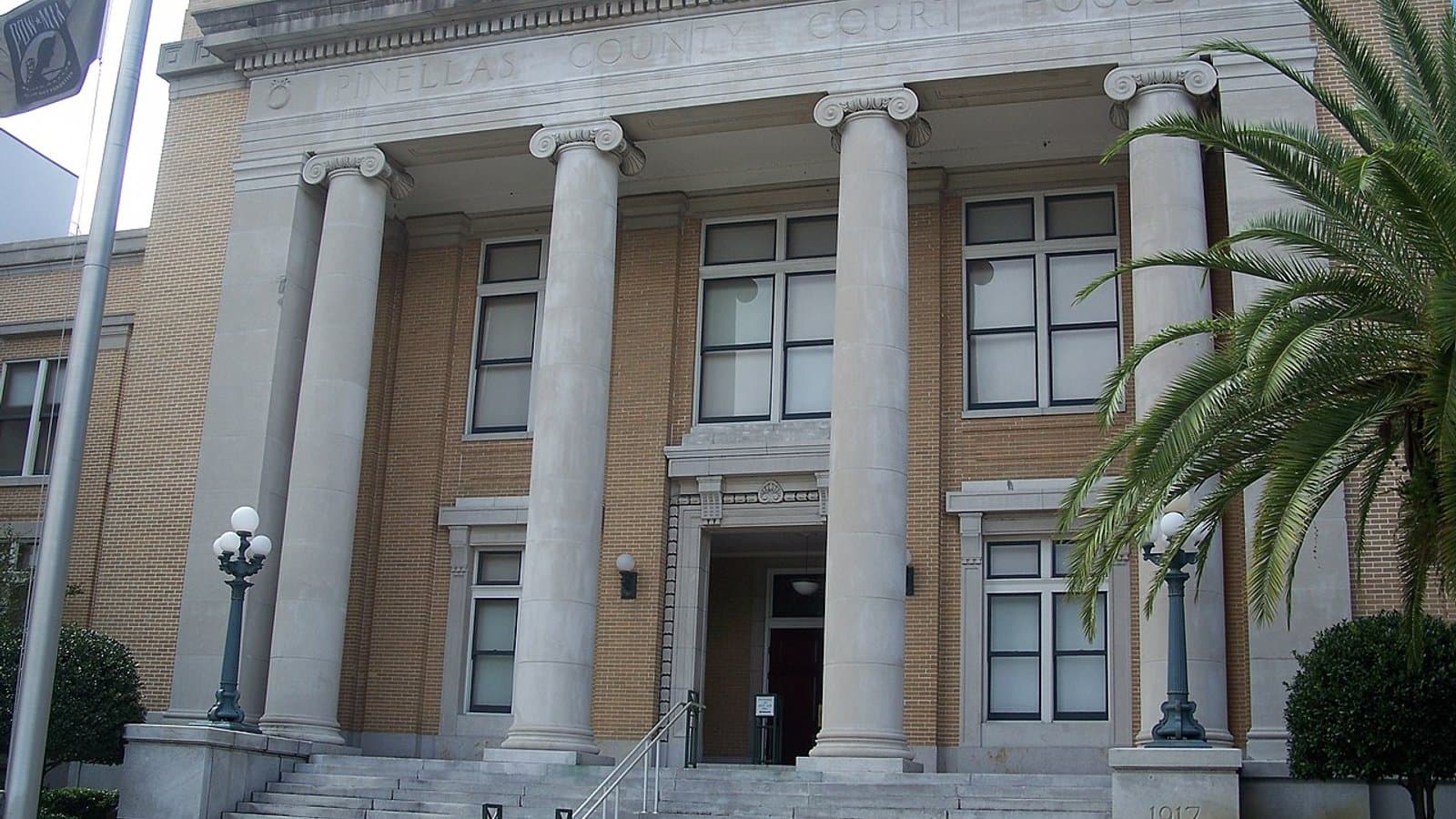
ATTOM's Q3 2026 Vacancy and Zombie Foreclosure Report released findings that should concern every homeowner in Pinellas County — and any Florida homeowner who has received foreclosure paperwork and then heard nothing for months. Two Pinellas County ZIP codes landed among the highest zombie foreclosure rates in the country: 33708 in Saint Petersburg at approximately 38–39% and 34652 in New Port Richey at approximately 35.5%. Nationally, the zombie foreclosure rate sits at 3.3% of active foreclosure properties — meaning these two ZIP codes are running at roughly ten times the national average.
If you live in Pinellas County, or anywhere in Florida, and you have received a lis pendens or foreclosure summons but your case has gone quiet, this report is directly relevant to your situation. Understanding zombie foreclosures — and knowing how to detect and resolve them — can prevent years of compounding financial and legal harm.
What Is a Zombie Foreclosure?
A zombie foreclosure is not the same as a zombie mortgage — though both involve problems that refuse to go away. A zombie mortgage is a charged-off second lien that a debt buyer revives years later. A zombie foreclosure is what happens when a lender initiates the foreclosure process, the homeowner moves out assuming the home will soon be taken, and then the lender quietly abandons the case before getting a final judgment.
The result: the home sits vacant, deteriorating, and still legally owned by the original homeowner. Property taxes accrue. HOA dues pile up. Code enforcement issues build. And the homeowner — often living elsewhere, sometimes hours away — has no idea they are still on the hook for all of it.
Zombie foreclosures are more common than most homeowners realize. According to ATTOM's Q3 2026 report, there were approximately 8,482 zombie foreclosure properties nationally, and Florida accounted for roughly 2,760 of them — about 3.7% of all active foreclosure properties in the state. Florida's share is above the national average, and Pinellas County's numbers are dramatically worse than both.
Why Saint Petersburg and New Port Richey Have Such High Rates
The concentration in Pinellas County reflects a specific intersection of property values, lender economics, and Florida's judicial foreclosure process.
Florida is a judicial foreclosure state, meaning every foreclosure case must pass through the court system. That process has costs — attorney fees, court filing fees, case management time. For lenders holding mortgages on lower-value properties, particularly older condominiums and smaller single-family homes, the math sometimes tips against completion: the cost of finishing the foreclosure may approach or exceed what the lender would recover at auction after deducting unpaid taxes, HOA arrears, repairs, and carrying costs.
Pinellas County has a significant inventory of older condominium buildings that have been hit hard by Florida's structural inspection and reserve requirements, rising special assessments, and property insurance costs. In buildings where special assessments run into the tens of thousands of dollars, a lender may look at the numbers and decide that recovering a fraction of what is owed through a sale is more trouble than it is worth. The case stalls. The property sits.
For context on Pinellas County's broader foreclosure environment, see the Florida foreclosure rates by county in 2026 breakdown and the Florida midyear 2026 foreclosure update, which documented Florida's position as the state with the highest foreclosure rate in the country.
Why Zombie Foreclosures Are Dangerous for Homeowners
The core danger of a zombie foreclosure is the gap between what homeowners believe and what is legally true. When a homeowner moves out after receiving foreclosure paperwork, they typically assume the process is moving forward — that eventually the lender will complete the action, take the deed, and the homeowner's obligations will end. In a zombie foreclosure, that completion never happens.
Property Tax Obligations Continue
Florida property tax bills are sent in November each year. As long as your name is on the deed, those bills come to you. If you have moved and are not monitoring the property, you may not even know the bills are arriving — or accumulating as unpaid. Unpaid property taxes trigger a tax certificate sale through the county, and if taxes remain unpaid long enough, the county can pursue a tax deed that wipes out your ownership in a separate proceeding entirely. The Florida property tax exemptions guide explains the consequences of unpaid taxes in detail.
HOA Dues and Special Assessments Keep Accruing
If the property is part of a homeowners or condominium association, dues, late fees, and any special assessments continue to accrue in your name. Florida HOAs have independent authority to pursue HOA foreclosure — a separate action from the mortgage foreclosure — once arrears reach a statutory threshold. A homeowner who believed their mortgage foreclosure was proceeding may not realize they are also facing a separate HOA action until it has advanced significantly.
Code Enforcement Liability
A vacant property that goes unmaintained quickly accumulates code violations: overgrown vegetation, unsecured entry points, standing water, structural deterioration. Florida municipalities and counties actively pursue code enforcement actions against vacant properties, and those fines attach to the property as liens — which compound and, in some municipalities, can escalate to thousands of dollars per day. As the legal owner, you are responsible.
Personal Liability
If a trespasser is injured on a vacant property, the legal owner can face premises liability claims. In Florida, even trespassers have some legal protections under specific circumstances, and courts have found property owners liable for conditions that create an unreasonable risk of harm. Being legally responsible for a property you are not occupying or maintaining creates real exposure.
The Mortgage Foreclosure Can Be Reactivated
Lenders do not permanently abandon their right to foreclose simply by going quiet. Florida's statute of limitations for foreclosure, interpreted under the Florida Supreme Court's Bartram ruling, resets with each missed payment — meaning a lender can revive the case based on subsequent defaults even if earlier claims would be time-barred. The shortening of Florida foreclosure timelines in 2026 means that once a lender decides to move, cases can advance to judgment faster than in prior years.
How to Find Out if You Are in a Zombie Foreclosure
If you received foreclosure paperwork — a lis pendens, a foreclosure complaint, or a notice of default — and have not heard anything in months, take these steps now.
1. Check the county clerk's foreclosure case records. Every Florida county's Clerk of Courts maintains an online case index. Search by your name or property address and look for your foreclosure case. If the case shows a lis pendens filed but no subsequent activity, no final judgment, and no sale date, the case may be stalled.
2. Verify the deed is still in your name. Check your county's Property Appraiser website to confirm you are still listed as the property owner. If the deed has already transferred, the foreclosure was completed and a different set of issues applies.
3. Review your credit report. The original foreclosure filing typically shows on your credit report. If you see a foreclosure filing but no completed foreclosure, that is consistent with a zombie foreclosure.
4. Check for unpaid taxes and HOA arrears. Contact your county tax collector to determine whether taxes are current and who holds any tax certificates. Contact your HOA directly to verify the current balance of dues and assessments.
If you find your case has stalled, contact a Florida foreclosure defense attorney for an analysis of your options. A Florida Legal Aid attorney can provide free representation if you qualify.
Your Options if You Are in a Zombie Foreclosure
Zombie foreclosures are resolvable — but resolution requires action.
Sell the Property Before the Lender Reactivates
Because you still hold title, you can list the property for sale. If your home has sufficient equity, a standard sale pays off the mortgage, any tax liens, and HOA arrears, and closes out your legal obligations in one transaction. If you owe more than the property is worth, a short sale may allow you to sell with lender approval for less than the outstanding balance — avoiding a foreclosure judgment on your credit and resolving the debt in an organized way.
Given that Florida home values in Pinellas County and much of the state still reflect significant appreciation from the 2020–2023 run-up, many homeowners in zombie foreclosure situations have more equity than they realize. A pre-foreclosure sale can be completed even while a foreclosure case is pending, as long as no final judgment has been entered.
Reoccupy and Negotiate
If you can return to the property, reoccupying it and immediately engaging your mortgage servicer about a loan modification or repayment plan may allow you to resume payments and bring the mortgage current. Florida's judicial process means you retain rights until a final judgment is entered, and courts generally consider any active loss mitigation effort favorably.
Deed in Lieu
If you cannot sell and do not wish to reoccupy, a deed in lieu of foreclosure — where you transfer the deed voluntarily to the lender — may provide a clean resolution. Not all lenders accept deed in lieu arrangements, and the lender must agree to release you from any deficiency. An attorney can negotiate the terms and ensure the release language is legally binding.
Stop the Process and Force a Resolution
In some cases, a foreclosure defense attorney can file a motion to compel the lender to prosecute or dismiss the case. Florida courts have discretion to dismiss cases that have been inactive for extended periods. Forcing the issue — either getting the lender to complete the foreclosure and transfer the deed, or to dismiss the case and potentially extinguish the action — removes the limbo and establishes a clear legal status for the property.
Free Resources for Florida Homeowners in Zombie Foreclosures
- HUD-Approved Housing Counselors: Free one-on-one guidance — call 1-800-569-4287
- HOPE Hotline: 1-888-995-4673 — free, confidential help navigating your situation
- Florida Legal Aid: Free legal representation for qualifying homeowners — see the Florida Legal Aid guide
- Pinellas County Clerk of Courts: Free online case search to check your foreclosure case status — clerk.co.pinellas.fl.us
- Free Equity Assessment: Call Barrett Henry, REALTOR®, at (813) 761-0133 or email help@flforeclosurehelp.com — no cost, no obligation
What the Q3 2026 Data Means for All Florida Homeowners
The broader Q3 2026 ATTOM report puts Florida's zombie foreclosure problem in national context. While the national zombie rate dipped slightly to 3.3% from 3.4% in the prior quarter, Florida's rate of 3.7% moved against that trend — reflecting the continued volume of foreclosure filings in the state, paired with lender decisions to abandon lower-value cases. The midyear 2026 foreclosure data showed Florida with the highest rate in the country at 0.27% of all housing units, and that pipeline has continued to produce new stalled cases.
The takeaway for homeowners is straightforward: if you have received any foreclosure notice and your case appears to have gone quiet, do not assume the problem has resolved itself. Check your case status actively, verify your tax status, and contact your HOA to understand what is owed. The legal and financial obligations of property ownership do not pause simply because a lender stopped moving.
Barrett Henry, REALTOR® at REMAX Collective, works with Florida homeowners across all 67 counties to evaluate their options and navigate situations that other real estate professionals often find too complex to handle. If you are facing a zombie foreclosure, or simply want to understand where you stand, reach out for a free, confidential conversation. Call (813) 761-0133 or email help@flforeclosurehelp.com.
Legal Disclaimer: This article is provided for general informational purposes only and does not constitute legal advice. Foreclosure laws, timelines, and property rights in zombie foreclosure situations are complex and vary by county, lender, and case history. Every homeowner's situation is unique. Consult a licensed Florida attorney and a HUD-approved housing counselor for advice specific to your circumstances. Barrett Henry is a licensed Florida real estate professional, not an attorney, and does not provide legal advice.