
HUD-approved housing counselors in Florida provide free, professional foreclosure prevention assistance — and they are one of the most underused resources available to struggling homeowners. These counselors are trained and certified by the U.S. Department of Housing and Urban Development, funded by federal grants, and they never charge you a fee for foreclosure prevention services.
If you are behind on your mortgage or have received a foreclosure notice, a HUD counselor should be one of your first calls. They can review your finances, contact your lender directly, submit loss mitigation applications on your behalf, and help you understand every option available — from loan modification and forbearance to reinstatement to alternatives like short sale. Our foreclosure checklist outlines every step alongside working with a counselor.
What Exactly Does a HUD Housing Counselor Do?
A HUD-approved housing counselor is a trained professional who works for a nonprofit organization certified by HUD. Their job is to help you understand your financial situation, identify your options, and take action to prevent foreclosure. Here is what that looks like in practice:
- Complete financial assessment. The counselor reviews your income, expenses, debts, and assets to understand your full financial picture. This helps identify whether you can afford a modified payment, need temporary assistance, or should explore alternatives to keeping the home.
- Loss mitigation application assistance. The counselor helps you complete and submit a loss mitigation application to your servicer. This includes gathering the right documents, completing the forms correctly, and following up to ensure the application is complete and under review.
- Direct lender negotiation. Most HUD counselors have established relationships with major mortgage servicers. They can call your servicer directly, escalate stalled applications, and advocate for specific workout options based on your situation.
- Government program referrals. Counselors know which state and federal assistance programs you may qualify for and can help you apply.
- Budget and action plan. The counselor creates a realistic budget and action plan that addresses your immediate crisis and helps prevent future financial problems.
How Do You Find a HUD-Approved Counselor in Florida?
Finding a legitimate HUD-approved counseling agency in Florida is straightforward. The most reliable method is through HUD's official directory:
- Online: Visit hud.gov/counseling and enter your ZIP code. The search returns all HUD-approved agencies near you, with contact information and services offered.
- Phone: Call the HUD helpline at 800-569-4287. A representative will connect you with a counseling agency in your area.
Florida has dozens of HUD-approved agencies. Some of the largest and most established include:
- ClearPoint Credit Counseling Solutions — Serves all of Florida with phone, video, and in-person counseling. One of the largest HUD-approved agencies in the country.
- GreenPath Financial Wellness — National nonprofit with strong Florida presence, offering foreclosure prevention counseling by phone and online.
- CCCS of Central Florida — Based in Orlando, serving Central Florida homeowners with in-person and phone counseling.
- Housing Partnership Inc. — Serves Tampa Bay area homeowners with comprehensive housing counseling services.
- Consolidated Credit — Fort Lauderdale-based nonprofit serving South Florida and statewide through phone counseling.
- Operation HOPE — National nonprofit with Florida offices offering financial coaching and foreclosure prevention.
Warning: Never pay for foreclosure prevention counseling. If someone claims to be a HUD counselor and asks for payment, it is a foreclosure scam. Verify any agency through hud.gov/counseling before sharing personal information.
What Should You Bring to Your First Counseling Session?
Coming prepared to your first session helps your counselor assess your situation quickly and start working on solutions immediately. Gather these documents before your appointment:
- Most recent mortgage statement (shows account number, servicer, payment amount, and balance)
- Two months of pay stubs or other income verification
- Most recent federal tax return with all schedules
- Bank statements for the past two months (all accounts)
- A list of all monthly expenses (utilities, insurance, food, transportation, medical, etc.)
- A list of all debts (credit cards, auto loans, student loans, medical bills)
- Any correspondence from your mortgage servicer (default notices, foreclosure complaint)
- Hardship documentation (medical bills, job loss letter, divorce decree, death certificate)
- Property tax bill from your county property appraiser
- Homeowner's insurance declaration page
If you do not have all of these documents ready, do not let that stop you from making the appointment. Your counselor can tell you exactly what is needed and help you obtain missing documents.
What Happens During a HUD Counseling Session?
Your initial counseling session typically lasts 60 to 90 minutes. Here is what to expect step by step:
- Step 1: Intake and financial review. The counselor reviews your income, expenses, and debts. They calculate your debt-to-income ratio and identify where your budget has gaps or opportunities.
- Step 2: Mortgage analysis. The counselor reviews your mortgage terms, payment history, and any communications from your servicer. They determine what stage of delinquency or foreclosure you are in.
- Step 3: Options assessment. Based on your finances and loan details, the counselor identifies which options may work for you. This could include loan modification, forbearance, reinstatement, repayment plan, partial claim, short sale, deed in lieu, selling before foreclosure, or bankruptcy. The counselor can also help you use our equity estimator to determine whether selling makes sense and draft a hardship letter for your lender.
- Step 4: Action plan. The counselor creates a specific plan with steps you need to take, deadlines to meet, and follow-up appointments. If a loss mitigation application needs to be submitted, they begin gathering documents.
- Step 5: Lender contact. In most cases, the counselor will contact your servicer directly — either during the session or shortly after — to discuss your situation and begin the workout process.
How Do HUD Counselors Negotiate with Your Lender?
One of the most valuable things a HUD counselor provides is direct access to your mortgage servicer's loss mitigation department. Counselors have dedicated phone lines and contacts at major servicers that regular homeowners do not have access to. This means:
- Shorter wait times and faster responses from your servicer
- Direct communication with decision-makers, not just call center representatives
- Professional presentation of your financial situation and hardship
- Knowledge of what each servicer's loss mitigation options include
- Ability to escalate stalled or improperly denied applications
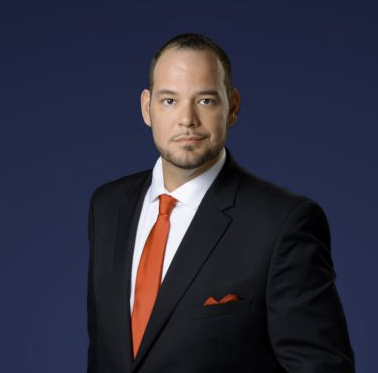
Barrett Henry, a REALTOR with 23+ years of real estate experience and Broker Associate at REMAX Collective, consistently recommends that homeowners facing foreclosure work with a HUD counselor before making any decisions. The counseling is free, the counselors are knowledgeable, and having a professional advocate communicating with your lender dramatically improves outcomes.
Can HUD Counseling Help If You Already Have a Foreclosure Case Filed?
Yes. HUD counselors help homeowners at every stage of the foreclosure process, including after a foreclosure lawsuit has been filed. In fact, many homeowners first contact a counselor after receiving a foreclosure summons.
Even after a case is filed and a lis pendens is recorded, your servicer is required under CFPB regulations to evaluate you for loss mitigation if you submit a complete application more than 37 days before a scheduled foreclosure sale. A HUD counselor can help you meet this deadline and ensure your application is complete. Understanding the foreclosure timeline is critical at this stage — every day matters.
However, working with a counselor does not substitute for responding to the foreclosure lawsuit. You must file an answer with the court within 20 days of being served (or 30 days if you were not personally served in Florida). If you need legal help, a counselor can refer you to free legal aid organizations or foreclosure defense attorneys in your area.
What If You Do Not Speak English?
Florida's diverse population means many HUD-approved agencies offer counseling in multiple languages. Spanish-language counseling is widely available throughout the state. Some agencies in South Florida also offer services in Haitian Creole, Portuguese, and other languages.
When searching at hud.gov/counseling, you can filter results by language. You can also request a specific language when calling the HUD helpline at 800-569-4287.
How Does HUD Counseling Compare to Hiring a Foreclosure Attorney?
HUD counseling and legal representation serve different but complementary purposes. A HUD counselor helps with the financial and workout side — negotiating with your lender, applying for assistance programs, and creating a budget. A foreclosure attorney handles the legal side — responding to the lawsuit, raising defenses, and negotiating in court.
In many cases, you benefit from both. The counselor works on getting your loan modified or assistance approved, while the attorney ensures the foreclosure case does not advance to judgment while that process is underway. Many legal aid organizations work closely with HUD counseling agencies for exactly this reason.
Related Guides
- 8 Ways to Stop Foreclosure in Florida
- Loan Modification in Florida
- Mortgage Forbearance Guide
- Mortgage Reinstatement Guide
- The Florida Foreclosure Process
- Foreclosure Defense Options
- How Foreclosure Impacts Your Credit
- Hardship Letter Template
- Foreclosure Glossary
- Get a Cash Offer
- Florida Government Assistance Programs
- Emergency Mortgage Assistance
- Florida Foreclosure Rates 2026
Facing foreclosure and not sure where to start? Contact us today for a free consultation. We will help you find the right HUD counselor and other resources for your situation.