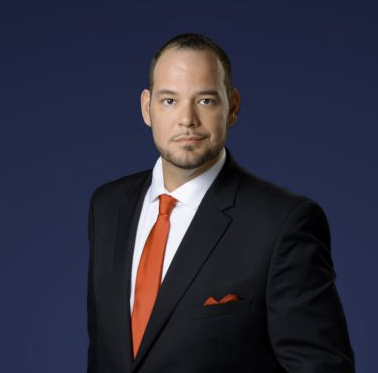
Barrett Henry is a Broker Associate at REMAX Collective with 23+ years of Florida real estate experience. He has helped Tampa Bay homeowners navigate the mortgage consequences of hurricanes including Irma, Ian, Idalia, and Helene. He provides direct service in the Tampa Bay area and referral connections throughout all 67 Florida counties.
Florida's hurricane season runs from June 1 through November 30, and the 2026 season is active. For Florida homeowners, a major storm can bring property damage, insurance disputes, income loss -- and serious mortgage stress. Understanding your disaster forbearance rights before a storm strikes (or immediately after) can prevent a temporary emergency from becoming a permanent foreclosure.
What Is Disaster Forbearance and Who Qualifies?
Disaster forbearance is a temporary pause or reduction of mortgage payments made available to homeowners in federally declared disaster areas. It is different from COVID-19 forbearance -- disaster forbearance is triggered by a specific storm event and a Presidential Major Disaster Declaration for your county.
Disaster forbearance is available for most government-backed loans:
- FHA loans: HUD's Mortgagee Letter ML 2021-18 requires servicers to offer at least 90 days of forbearance to FHA borrowers in declared disaster areas. No documentation of harm is required -- the declaration itself qualifies you.
- Fannie Mae / Conventional loans: Fannie Mae Servicing Guide D2-3.1-01 requires servicers to offer disaster forbearance to affected borrowers for up to 12 months in some cases.
- Freddie Mac / Conventional loans: Similar disaster relief requirements apply under Freddie Mac's Single-Family Seller/Servicer Guide.
- VA loans: The VA encourages servicers to offer disaster forbearance and has additional loss mitigation tools through the VA Loan Guaranty Service.
- USDA loans: The USDA Rural Development Special Loan Servicing program includes disaster forbearance options.
Private (portfolio) loans are not governed by the same federal requirements, but many private servicers voluntarily offer disaster relief programs. Always ask your servicer what is available.
How to Request Disaster Forbearance in Florida
Contact your mortgage servicer -- the company you make payments to -- as soon as possible after a hurricane affects your property. Most servicers have disaster hotlines activated when declarations are issued. You will need:
- Your loan account number
- The address of the damaged property
- A brief description of the damage
- The FEMA disaster declaration number (find it at DisasterAssistance.gov)
Get the forbearance confirmation in writing, including the duration, the terms for repayment, and confirmation that foreclosure activity will be paused. Do not assume that calling alone is sufficient -- follow up with a written request if the servicer cannot provide written confirmation immediately.
For help navigating the process, contact a HUD-approved housing counselor in Florida -- this service is free.
Foreclosure Moratoriums After Florida Hurricanes
During an approved disaster forbearance, most programs prohibit servicers from initiating new foreclosure actions or advancing existing ones against borrowers in the affected area. This "foreclosure moratorium" typically lasts for the duration of the forbearance period.
If you were already in foreclosure before the hurricane, the disaster forbearance may still pause the process -- contact your servicer and the court. In Florida's judicial foreclosure system, foreclosure cases can be administratively stayed by the court during declared state emergencies. The Florida Supreme Court has used this authority in past hurricanes to pause foreclosure proceedings statewide.
Learn how the Florida foreclosure process works and how a disaster forbearance fits within it.
After the Forbearance: Repayment Options
Disaster forbearance is temporary. When the forbearance period ends, you must resume payments or work out a repayment arrangement. The missed payments do not disappear. Common post-forbearance options include:
- Repayment plan: Add a portion of the missed amounts to each monthly payment over 3 to 12 months.
- Deferral: Move the missed amounts to the end of the loan as a balloon payment due at sale, payoff, or loan maturity.
- Modification: Loan modification can restructure the entire loan, rolling in the missed amounts and potentially lowering the payment.
- Lump sum: Pay all missed amounts at once -- often not feasible for storm-affected homeowners but may be possible if insurance proceeds arrive.
Understanding your Florida forbearance exit options before the forbearance period ends is critical to avoiding foreclosure after the storm.
Selling a Hurricane-Damaged Home Before Foreclosure
If your hurricane-damaged home is not repairable or you cannot afford to keep it, selling before foreclosure may be your best path. Florida's real estate market remains active even for damaged properties -- cash investors purchase hurricane-damaged homes regularly, particularly in Southwest Florida (Hurricane Ian), the Tampa Bay area (Hurricane Helene/Milton), and the Panhandle (Hurricane Michael).
Selling before the foreclosure auction allows you to:
- Capture any remaining equity before the property deteriorates further
- Avoid a foreclosure on your credit record
- Potentially negotiate a waiver of any mortgage deficiency
- Control the timeline rather than waiting for the court to set a sale date
If you owe more than the property is worth post-damage, a short sale may allow you to sell with the lender's approval for less than the balance owed.
What Barrett Henry Advises After a Florida Hurricane
After working with homeowners through multiple hurricane seasons, the most consistent advice is simple: call your servicer before you call anyone else. Not the contractor, not the insurance adjuster, not the investor knocking on your door -- your servicer first, to secure the forbearance and stop any foreclosure clock.
Then document everything, get the forbearance in writing, and call a HUD counselor to help you plan the repayment. The worst outcome is not the storm damage -- it is letting the forbearance expire without a plan, and then facing foreclosure on top of an already difficult situation.
Use our foreclosure checklist to track your deadlines and review our free resources for Florida homeowners. Get free help today -- no cost, no obligation. Barrett Henry helps homeowners in all 67 Florida counties.