
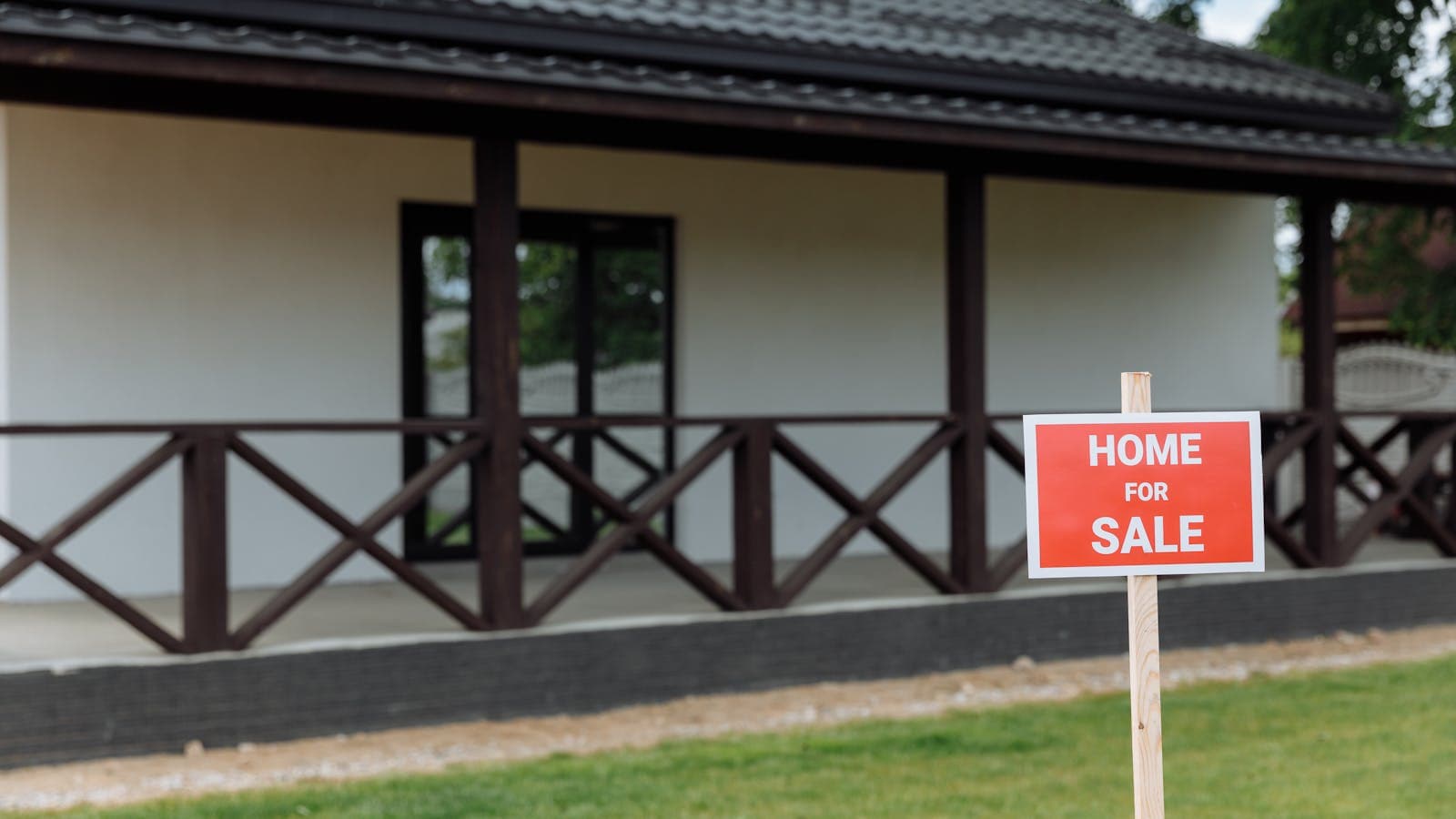
You can sell your Florida home as-is during foreclosure — and for many homeowners, it is the smartest move. Selling as-is means the buyer purchases the property in its current condition without requiring you to make repairs, updates, or improvements. This saves time and money that you may not have when facing a foreclosure deadline.
Whether your home needs a new roof, has deferred maintenance, or simply needs cosmetic updates you cannot afford, an as-is sale can resolve your foreclosure situation faster than most alternatives. This guide explains how the process works, what to expect, and how to protect yourself from lowball offers and scams.
Why Sell As-Is During Foreclosure?
The primary advantage of selling as-is during foreclosure is speed. When you are facing a foreclosure timeline of 10 to 14 months (or less if a final judgment has already been entered), you may not have time or money for repairs that a traditional sale might require.
Other advantages of selling as-is include:
- No repair costs ��� You do not need to invest money you may not have in fixing up the property.
- Faster closing — Cash buyers can close in 7 to 14 days. Even financed buyers typically close in 30 to 45 days.
- Avoid foreclosure on your record — Selling before the auction means no foreclosure judgment on your credit report, which preserves more of your credit and shortens the waiting period to buy again.
- Potential equity — If your home is worth more than you owe, you keep the difference after paying off the mortgage and closing costs.
- Less stress — You control the process instead of waiting for the court to take your home.
How Does an As-Is Sale Work During Foreclosure?
Step 1: Determine Your Equity Position
Before listing, you need to know whether you have equity. Compare your property's current market value to your total mortgage balance (including any second mortgages, HELOCs, and HOA liens). If the value exceeds the debt, you have equity and can sell on the open market. If you owe more than the home is worth, you need a short sale with lender approval.
Step 2: Price the Property Correctly
Pricing an as-is property requires understanding what buyers will pay given the property's condition. An experienced agent will provide a comparative market analysis (CMA) that accounts for the as-is condition. Overpricing wastes precious time. Underpricing leaves money on the table.
Step 3: Disclose Known Issues
Florida law requires you to disclose known material defects — problems that affect the property's value, health, or safety. Selling as-is does not exempt you from disclosure requirements. Be honest about what you know. Failure to disclose can result in legal liability after the sale.
Step 4: Choose the Right Buyer
As-is properties attract different buyer types, and each has trade-offs:
- Cash investors — Fastest closing (7-14 days), no financing contingency, but typically offer 70-80% of market value.
- Renovator/flipper buyers — May offer slightly more than investors, closing in 14-30 days, often use hard money loans.
- Traditional buyers with financing — Highest offers but longest timeline (30-45 days) and may have inspection contingencies. Some loan types (FHA, VA) require minimum property conditions.
- Owner-occupant buyers — Buyers who want to live in the home and are willing to handle repairs themselves. Often offer fair prices for light rehab properties.
Step 5: Coordinate With the Foreclosure Timeline
Your sale must close before the foreclosure auction. Work with your foreclosure attorney and your real estate agent to ensure the closing happens before any critical court deadlines. If a final judgment has been entered, you may need to request a continuance (postponement) of the sale to give the private sale time to close.
Avoiding “We Buy Houses” Scams
When homeowners are facing foreclosure, predatory buyers and “we buy houses” companies often target them with aggressive marketing. While some cash buyer companies are legitimate, others offer far below market value and use high-pressure tactics.
Red flags to watch for:
- Offers significantly below market value without justification
- Pressure to sign contracts immediately without time to review
- Requests to sign over your deed before the sale closes
- Upfront fees for “foreclosure help” or “processing”
- No proof of funds or unclear financing
- Companies that are not licensed real estate brokers or entities
Always work with a licensed REALTOR who can list the property on the MLS, expose it to the full market, and negotiate the best possible price — even for an as-is sale.
As-Is Sale vs. Losing the Property at Auction
Barrett Henry, a REALTOR with 23+ years of real estate experience and Broker Associate at REMAX Collective, has helped many Florida homeowners sell as-is during foreclosure. The comparison is straightforward:
| Factor | As-Is Sale | Foreclosure Auction |
|---|---|---|
| Credit impact | Sale on credit report (less damage) | Foreclosure on record for 7 years |
| Equity | You keep any proceeds above debt | Surplus funds go to clerk (must claim) |
| Control | You choose timing and terms | Court controls the process |
| Deficiency risk | Lower (sale at market value) | Higher (auction may sell below value) |
| Wait to buy again | 2-4 years (depending on loan type) | 3-7 years (depending on loan type) |
Even if you net less money on an as-is sale than you would on a fully renovated sale, the financial benefit of avoiding foreclosure — less credit damage, shorter waiting period, no deficiency judgment risk — makes it the better outcome in almost every case.
Barrett Henry is a Broker Associate at REMAX Collective with 23+ years of Florida real estate experience. He helps homeowners across all 67 Florida counties understand as-is sale options and evaluate pre-foreclosure strategies.
Considering selling your home as-is during foreclosure? Contact us today for a free consultation -- no cost, no obligation.
Related Resources for Florida Homeowners Considering an As-Is Sale
- Sell your home before the foreclosure auction in Florida
- Can I sell my house during foreclosure in Florida?
- Selling your house before the foreclosure auction in Florida
- Selling your home before the foreclosure sale: what to expect
- Short sale in Florida: how it works and what to expect
- Pre-foreclosure home sale guide for Florida homeowners
- How to spot We Buy Houses scams targeting Florida homeowners
- Deficiency judgments in Florida: what you need to know
- Florida foreclosure timeline explained
- Short sale vs. foreclosure: credit impact compared
- Cash offer during foreclosure in Tampa Bay: pros and cons
- Free foreclosure resources for Florida homeowners
MARS Rule Disclosure: Barrett Henry is a licensed real estate professional, not an attorney. Nothing on this page constitutes legal advice. You are not required to use a third-party representative to contact your mortgage servicer.