
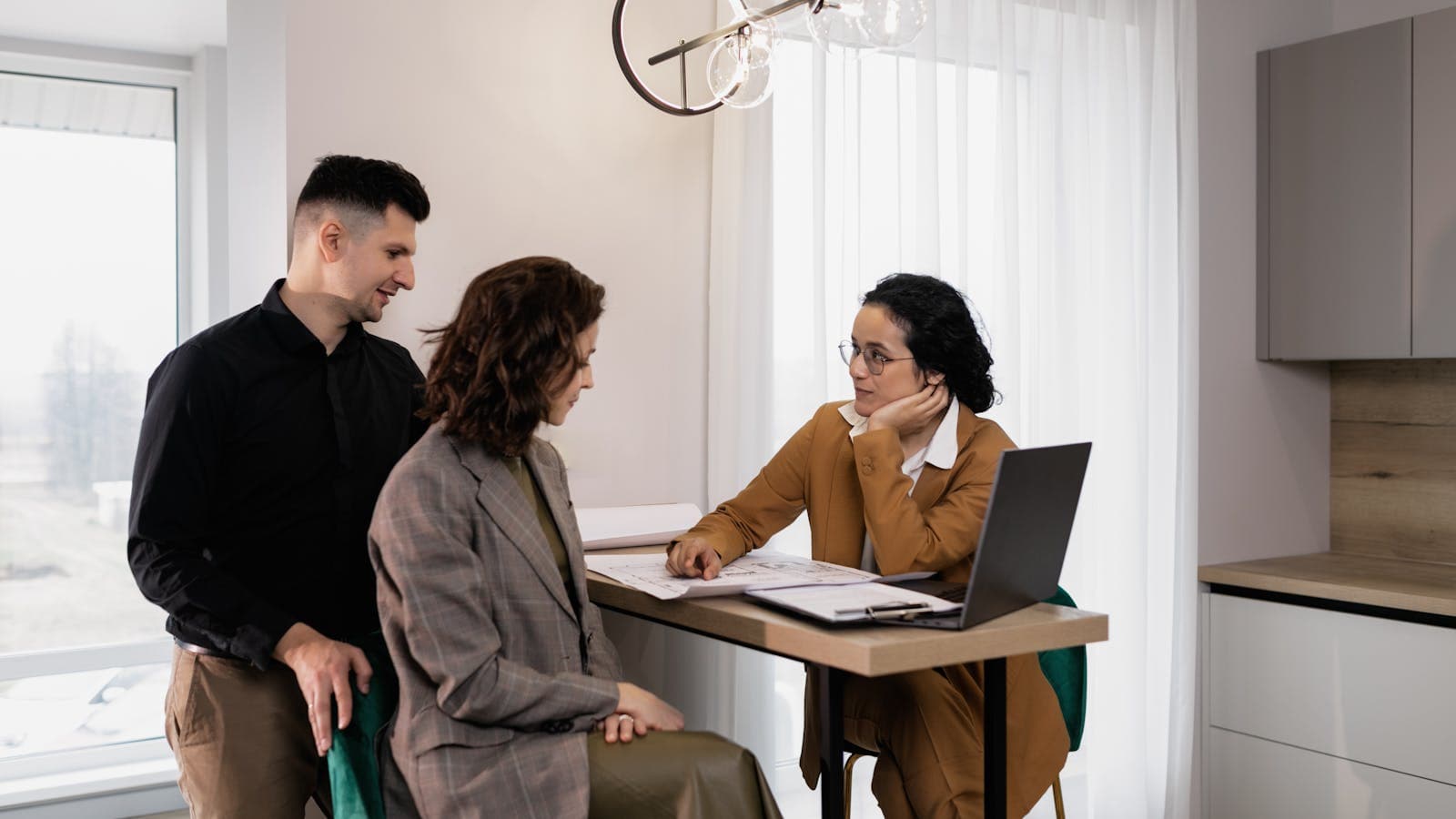
Foreclosure mediation in Florida is a structured meeting where you, your lender, and a neutral mediator sit down to explore alternatives to foreclosure. The mediator does not make decisions or force either party to agree — their role is to facilitate communication and help both sides find common ground. When it works, mediation can result in a loan modification, repayment plan, short sale agreement, or other resolution that avoids the full foreclosure process.
How Foreclosure Mediation Works
The mediation process typically follows these steps:
- Referral or request:You request mediation through your county's program, or the court orders it as part of the foreclosure case. Not all counties have active mediation programs, so check with your local circuit court.
- Pre-mediation preparation: You gather your financial documents and submit them to the mediator and lender in advance. The lender also prepares documentation about your loan.
- Mediation session:You (and your attorney or counselor), the lender's representative, and the mediator meet in person or by phone/video. Sessions typically last 1-3 hours.
- Discussion and negotiation: The mediator helps both sides present their position and explore possible solutions. You discuss your hardship, income, and what you can afford. The lender explains their requirements and available programs.
- Agreement or impasse: If you reach an agreement, it is documented and signed by both parties. If no agreement is reached, the mediator reports the impasse to the court and the foreclosure continues.
How to Prepare for Mediation
Your preparation directly affects the outcome. Come to mediation with:
- A complete financial picture — income, expenses, assets, debts
- All documents the lender has requested (similar to a loss mitigation application)
- A clear understanding of what you want (keep the home, sell, walk away)
- A realistic proposal — what payment can you actually make?
- A HUD counselor or attorney to support you
The lender must send a representative with authority to negotiate and make decisions. If the lender sends someone without decision-making authority, the mediator may report this as a bad faith participation, which can have consequences in the foreclosure case.
Possible Outcomes of Mediation
Mediation can result in several different outcomes:
- Loan modification — the lender agrees to new terms that make the payment affordable
- Repayment plan — you catch up on arrears over a set period while making current payments
- Forbearance agreement — temporary payment reduction while you resolve a short-term hardship
- Short sale agreement — the lender agrees to allow a sale for less than owed
- Deed in lieu — you agree to transfer the property to the lender
- Impasse — no agreement is reached and the case continues
Does the Lender Have to Participate in Good Faith?
In court-ordered mediation, both parties are required to participate in good faith. This means the lender must:
- Send a representative with authority to negotiate
- Review your financial documents before the session
- Come prepared to discuss available options
- Make a genuine effort to explore alternatives
If the lender does not participate in good faith, the mediator reports this to the court. The court may sanction the lender, delay the foreclosure, or order additional mediation sessions. This bad faith finding can strengthen your position in the overall foreclosure case.
Tips for a Successful Mediation
Barrett Henry, a REALTOR with 23+ years of real estate experience and Broker Associate at REMAX Collective, offers these tips for Florida homeowners approaching mediation:
- Be honest about your finances. Overstating income or hiding debts will backfire when the lender verifies your information.
- Be realistic about what you can afford. Agreeing to a payment you cannot sustain leads to re-default.
- Know your bottom line. What is the minimum acceptable outcome for you? Keep this in mind during negotiations.
- Stay calm and professional. Mediation is a business negotiation, not a courtroom drama. Emotions are understandable but productive communication gets better results.
- Bring professional support. A HUD counselor or attorney can help you communicate effectively and evaluate any proposed agreement.
Interested in foreclosure mediation? Contact us today for a free consultation. We can help you prepare and connect you with the right professionals.
Related Guides for Florida Homeowners in Foreclosure
- Florida Foreclosure Process: Step-by-Step Guide
- Florida Foreclosure Timeline
- How to Stop Foreclosure in Florida
- Mortgage Reinstatement Rights in Florida
- Forbearance in Florida: What Homeowners Need to Know
- Florida Loan Modification Guide
- HUD Housing Counseling for Florida Homeowners
- Sell Your Home Before Foreclosure
- Florida Foreclosure Resources and Free Help
