Barrett Henry is a Broker Associate at REMAX Collective with 23+ years of Florida real estate experience. He helps homeowners across all 67 Florida counties evaluate foreclosure alternatives -- including bankruptcy, loan modifications, short sales, and deeds in lieu. Direct service in Tampa Bay; referral connections statewide.
If you've just been served with foreclosure papers -- or you know a sale date is coming -- you may feel like you're out of options. You're not. One of the most powerful tools available to Florida homeowners facing foreclosure is Chapter 13 bankruptcy. It can stop a foreclosure sale immediately, give you time to catch up on missed payments, and let you keep your home. This post explains exactly how it works, in plain English.
Before diving in, it helps to understand how the Florida foreclosure process works so you know where you stand. If you want a broader look at your options first, check out our guide on 8 ways to stop a Florida foreclosure.
What Is Chapter 13 Bankruptcy and How Is It Different From Chapter 7?
Chapter 13 bankruptcy is a reorganization bankruptcy that lets you repay overdue debts — including missed mortgage payments — over a 3 to 5 year repayment plan, while keeping your property. Unlike Chapter 7, which liquidates assets to pay off debts, Chapter 13 is specifically designed for people who have a steady income and want to catch up on what they owe without losing their home. For Florida homeowners in foreclosure, Chapter 13 is almost always the more relevant option when the goal is to save the house.
How Does Filing Chapter 13 Stop a Foreclosure Right Away?
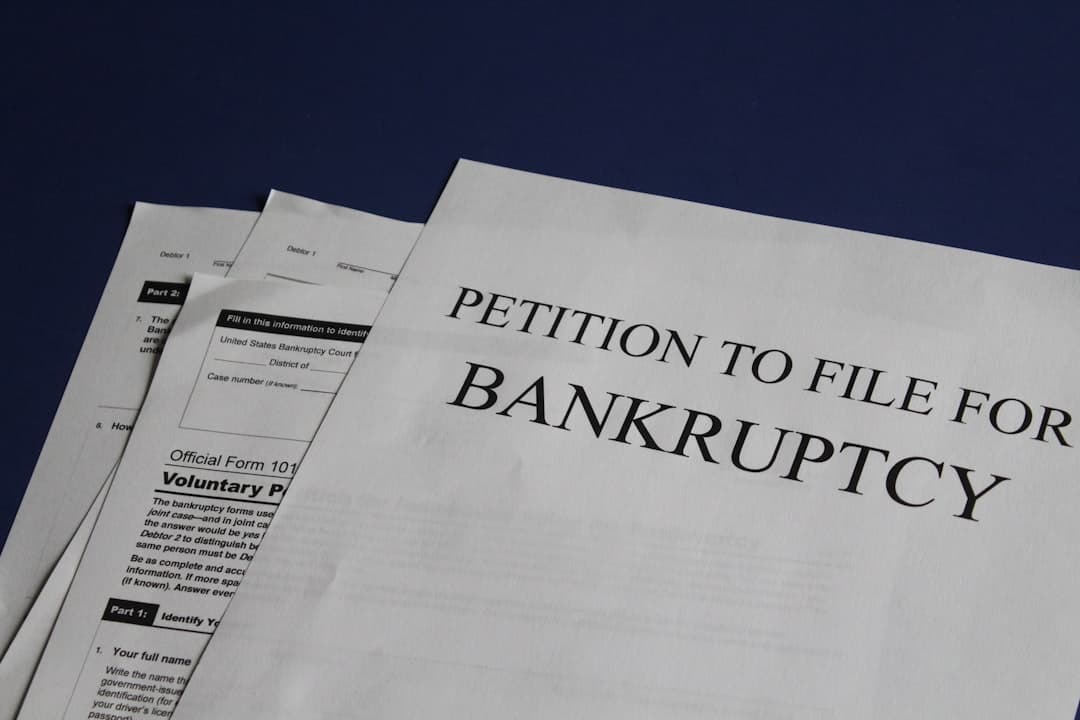
The moment you file a Chapter 13 bankruptcy petition with the federal bankruptcy court, something called the automatic stay goes into effect. Under 11 U.S.C. § 362, the automatic stay is a federal court order that immediately halts all collection actions against you — including a scheduled foreclosure sale in Florida. It doesn't matter if the sale is set for tomorrow morning; once your petition is filed and a case number is assigned, your lender is legally prohibited from proceeding. This gives you breathing room to work out a repayment plan under the court's supervision.
Florida foreclosures are handled through the court system under Chapter 702 of the Florida Statutes, which means your lender must go through a judge before selling your home. The automatic stay essentially freezes that process at whatever stage it's at — whether a lawsuit has just been filed or a final judgment has already been entered.
What Happens to My Missed Mortgage Payments in a Chapter 13 Plan?
In a Chapter 13 plan, your missed mortgage payments — called mortgage arrears — are treated as a priority debt that gets spread out over your 3 to 5 year repayment plan. This means instead of having to come up with $15,000 or $20,000 overnight to bring your loan current, you pay it back gradually in manageable monthly installments. During this time, you also continue making your regular ongoing mortgage payments directly to your lender. As long as you stick to the plan, your lender cannot foreclose.
This structure is one of the key reasons Chapter 13 is so effective for homeowners. You get to cure the default over time, and the court enforces the agreement on your behalf. You can read more about the full step-by-step process in our guide on how to file bankruptcy to stop foreclosure in Florida.
Will Chapter 13 Work Even If a Foreclosure Judgment Has Already Been Entered?
Yes — in most cases, Chapter 13 can still stop the sale even after a final judgment of foreclosure has been entered by a Florida court. The automatic stay applies regardless of where you are in the foreclosure timeline, as long as the property has not yet been sold at public auction. Once the gavel falls at a foreclosure sale, the options narrow significantly. This is why timing matters enormously — the sooner you file, the more options you have.
If you're weighing whether to sell the home instead, take a look at selling before the foreclosure auction or explore how a short sale works in Florida as alternative paths.
Are There Any Limits to the Automatic Stay in Florida?
There are a few important exceptions to know. If you've filed for bankruptcy more than once in the past year, the automatic stay may only last 30 days or may not apply at all — this is governed by 11 U.S.C. § 362(c)(3) and (c)(4). A lender can also file a motion with the bankruptcy court to lift the automatic stay if they can show cause — for example, if you stop making ongoing payments and fall behind on your Chapter 13 plan. Courts take these motions seriously, which is why following through with your plan is critical.
It's also worth noting that Chapter 13 does not eliminate your mortgage debt — it helps you catch up and keep your home. If you have concerns about a deficiency judgment in Florida, that's a separate issue worth discussing with a qualified attorney.
What Are the Eligibility Requirements for Chapter 13 in Florida?
To qualify for Chapter 13, you must have regular income — whether from employment, self-employment, rental income, or other sources — sufficient to fund a repayment plan. There are also debt limits: as of current federal guidelines, your unsecured debts must be below approximately $465,275 and secured debts below approximately $1,395,875 (these figures are periodically adjusted). You also must not have had a prior bankruptcy case dismissed within the last 180 days under certain circumstances. A bankruptcy attorney can review your specific situation and tell you quickly whether you qualify.
While you consider your options, you may also want to explore loan modification in Florida, mortgage forbearance, or free HUD-approved housing counseling as complementary strategies. Our free resources page has tools to help you understand all of your options.
Should I Talk to a Lawyer Before Filing?
Absolutely. While it is technically possible to file bankruptcy on your own (called filing "pro se"), the stakes with your home on the line are too high to navigate alone. A bankruptcy attorney can review your finances, confirm you qualify, file your petition correctly the first time, and help you build a repayment plan the court will approve. Many bankruptcy attorneys in Florida offer free consultations, and some work on payment plans themselves. The cost of professional help is almost always worth it compared to the cost of a mistake that lets a foreclosure proceed.
If you're not sure how much time you have, our post on how many days you have to respond to a Florida foreclosure is a good place to get oriented quickly.
Facing foreclosure? Get free help today — no cost, no obligation.