
Charlotte County made national headlines in real estate data circles in July 2026 when ATTOM released its Mid-Year 2026 U.S. Foreclosure Market Report. The Punta Gorda metropolitan statistical area — which encompasses all of Charlotte County — posted the highest foreclosure rate among U.S. midsized metros: 0.50 percent of housing units, or roughly one in every 200 homes, entered some stage of the foreclosure process in just the first six months of the year.
That number has real meaning for the homeowners behind it. Charlotte County has approximately 90,000 housing units. A 0.50 percent rate translates to roughly 450 properties in some stage of default, lis pendens, or scheduled auction in a single six-month period. For a relatively small coastal county with a large fixed-income retiree population, that is a significant concentration of financial distress.
This guide explains what is driving the numbers, which communities are most affected, how the local court process works, and what genuine options remain for Charlotte County homeowners who are behind — or worried about falling behind.
Florida and Charlotte County: The 2026 Data
Florida entered 2026 with the highest foreclosure rate of any state in the country. ATTOM counted 27,494 properties statewide with at least one foreclosure filing in the first half of 2026 — a rate of 0.27 percent of all housing units, or one in every 373 homes. That rate is roughly 33 percent higher than the same period in 2025 and already the worst in the country.
Charlotte County runs at nearly double the Florida average. The Punta Gorda MSA's 0.50 percent rate ranked first nationally among metros tracked in that size category. For comparison, the Lakeland metro (Polk County) posted 0.48 percent — the second worst nationally — and Cape Coral (Lee County) came in at 0.35 percent. All three are within two hours' drive of each other along Florida's Gulf Coast, suggesting that the pressures driving these numbers are regional as much as local.
For the full statewide picture, see our Florida Foreclosure Rate 2026 guide. For context on the neighboring Lee County situation, see the Lee County Foreclosure Rate 2026 post.
Why Charlotte County's Rate Is So High
The homeowners showing up in Charlotte County's foreclosure data in 2026 are not victims of the predatory lending that drove the 2008 crisis. They are, in most cases, people who bought homes with conventional or FHA loans during the pandemic-era boom — and who are now being squeezed by cost increases that were not part of their original purchase plan.
Hurricane Damage and Repair Costs
Charlotte County bore direct impacts from recent Gulf of Mexico hurricane seasons. Homeowners who sustained property damage and are still managing repair costs while simultaneously meeting mortgage payments face an acute double pressure. Insurance claims disputes, delays in adjuster processing, and partial settlements have left some homeowners with ongoing out-of-pocket repair expenses on top of their normal housing costs. For households already stretched thin, that combination can tip a manageable situation into default.
Insurance Premium Surge
Florida homeowner insurance premiums rose sharply across the state between 2022 and 2026. In coastal and near-coastal Charlotte County, the increases have been among the most severe in the state. Many homeowners saw private carriers non-renew their policies entirely, forcing placement in Citizens Property Insurance Corporation at higher premiums. When a servicer adjusts the escrow account to reflect a doubled or tripled insurance premium, the monthly mortgage payment rises by hundreds of dollars even though the interest rate has not changed. For retirees and fixed-income homeowners — a large segment of Charlotte County's population — that escrow adjustment can be the difference between staying current and falling behind.
For more on how insurance cost increases are driving Florida foreclosures statewide, see Florida Insurance Costs and Foreclosure in Q4 2026 and our guide on escrow shortages and foreclosure risk in Florida.
Fixed-Income Population Vulnerability
Charlotte County's demographic profile differs from high-growth suburban counties like Pasco or Osceola. A large share of its homeowners are retirees on Social Security, pensions, or investment income. When housing costs rise due to insurance and property tax escrow adjustments, those homeowners cannot simply take a second job or earn a raise. Their income is fixed, but their housing costs are not. This is why the county's foreclosure rate can surge even when the broader employment environment remains stable.
Post-Forbearance Redefaults
Some Charlotte County homeowners who entered mortgage forbearance during the pandemic received loan modifications that adjusted rates or deferred payments in ways that created longer-term affordability challenges. Others exhausted savings during forbearance and are now unable to absorb any additional cost increases. Courts that cleared their backlogs in 2024 and 2025 are now processing new filings faster, so the pipeline of cases is moving into visible stages more quickly than in prior years.
Communities Most Affected in Charlotte County
Charlotte County's foreclosure activity in 2026 is concentrated primarily in two areas:
- Port Charlotte. The largest community in Charlotte County by population, Port Charlotte contains the majority of the county's older suburban subdivisions — many built in the 1970s, 1980s, and 1990s — with a higher concentration of FHA loans and a mix of retirees and working families. If you are behind on payments in Port Charlotte, read our guide on what to do when behind on your mortgage in Port Charlotte.
- Punta Gorda. The county seat and waterfront community that gives the MSA its name. Punta Gorda's waterfront properties and retirement communities carry higher home values, but many homeowners on fixed incomes face the same insurance and escrow pressures as other Charlotte County residents.
- Englewood. The community that straddles the Charlotte-Sarasota county border is also seeing elevated foreclosure activity, with many homeowners facing similar insurance and damage-related pressures. Englewood homeowners in Sarasota County should also consult the Sarasota County foreclosure guide.
How the Foreclosure Process Works in Charlotte County
Florida is a judicial foreclosure state, which means every mortgage foreclosure must go through the court system. This is actually protective for homeowners: unlike non-judicial states where the bank can repossess a home with limited court involvement, Florida requires the lender to file a lawsuit, serve you with process, and obtain a final judgment before selling your home. Each of those steps creates time and opportunity to respond.
Charlotte County cases are filed in the 20th Judicial Circuit at the Charlotte County Courthouse, 350 E Marion Ave, Punta Gorda, FL 33950. Case records are available through the Charlotte County Clerk of Courts. Once you are served with the foreclosure complaint, you have 20 days to file a written answer. Filing that answer is one of the most important steps you can take — it formally places you in the case and preserves your right to pursue loss mitigation and other defenses.
For the full Charlotte County foreclosure process, timeline, and local courthouse details, see the Charlotte County Foreclosure Guide. For the broader Florida timeline, see Florida Foreclosure Timeline: What to Expect at Each Stage.
What Options Do Charlotte County Homeowners Have?
The options available to a Charlotte County homeowner facing foreclosure depend primarily on two factors: how much equity you have in the property, and how far along the foreclosure process has advanced. The earlier you act, the more options remain open.
Reinstatement
If you can gather enough cash to pay all past-due amounts — missed payments, late fees, attorney fees, and any escrow advances the servicer made on your behalf — you can reinstate the loan and stop the foreclosure. Under Florida law, you have the right to reinstate up to five business days before the final foreclosure sale. For details on how reinstatement works and what it costs, see our Florida Mortgage Reinstatement Guide.
Loan Modification
A loan modification adjusts the terms of your mortgage — typically by reducing the interest rate, extending the loan term, or deferring a portion of the principal — to bring your monthly payment to an affordable level. Most servicers are required to evaluate you for loss mitigation before completing a foreclosure. FHA loans have specific modification options through HUD's loss mitigation waterfall. For a complete guide, see Florida Loan Modification: How the Process Works.
Short Sale
If your home is worth less than you owe, or if you need to sell quickly and cannot wait for the full market process, a short sale allows you to sell at market value with lender approval to accept less than the full payoff. A properly negotiated short sale typically avoids a deficiency judgment, causes less credit damage than a completed foreclosure, and gives you some control over when you move. For how the process works, see Florida Short Sale: How It Works and What to Expect.
Selling Before the Auction
If you have equity in your Charlotte County home — meaning you could sell at current market value and pay off the full mortgage balance — selling before the foreclosure auction is often the best available option. You walk away with whatever equity remains, your credit takes significantly less damage than from a completed foreclosure, and you control the timeline. For how to approach this, see Selling Your Home Before Foreclosure: Protecting Your Equity.
Bankruptcy
Filing Chapter 13 bankruptcy triggers an automatic stay that immediately halts all foreclosure proceedings and allows you to propose a repayment plan to cure your mortgage arrears over three to five years. Chapter 7 can also buy time, though it does not provide a path to keep the home unless you can negotiate with the servicer separately. For how bankruptcy interacts with Florida foreclosure, see our Florida Bankruptcy and Foreclosure guide.
Related Resources for Charlotte County Homeowners
- Charlotte County Foreclosure Guide: Timeline, Courthouse, and Options
- Behind on Your Mortgage in Port Charlotte: What to Do
- Lee County Foreclosure Rate 2026 (Cape Coral, Fort Myers)
- Sarasota County Foreclosure Rate 2026
- Florida Foreclosure Rate 2026: Statewide Overview
- Florida Loan Modification Guide
- Florida Short Sale Guide
- Deficiency Judgments in Florida: What Homeowners Need to Know
- Free HUD-Approved Housing Counselors in Florida
- Get Free Foreclosure Help from Barrett Henry
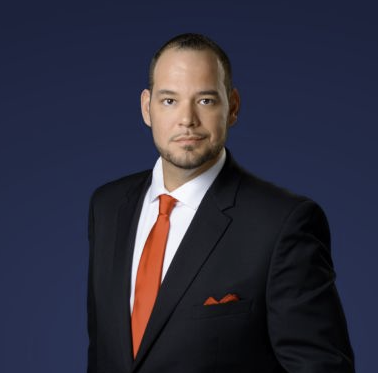
Facing foreclosure in Charlotte County? Barrett Henry at REMAX Collective has 23+ years of Florida real estate experience and offers free, confidential consultations for homeowners exploring their options. Get free help today — no cost, no obligation.