Most Florida homeowners think of foreclosure as a single lender pursuing a single property for a single missed payment. Cross-collateralization changes that assumption dramatically. If your loan documents contain a cross-collateralization clause, a single default can give your lender the right to foreclose on all of your properties pledged as collateral -- not just the one associated with the missed payment.
This is especially common for Florida investors and business owners who have financed multiple properties through the same portfolio lender, credit union, or community bank.
How Cross-Collateralization Works
In a standard single-property mortgage, the lender's security is limited to the specific property identified in the mortgage document. If you default, the lender can only foreclose on that one property.
Cross-collateralization expands this. When a loan agreement includes a cross-collateralization clause, it links multiple properties and/or multiple loans together so that each property serves as security for all covered loans. The practical effect:
| Scenario | Without Cross-Collateralization | With Cross-Collateralization |
|---|---|---|
| Default on Investment Property A (current on B and C) | Lender forecloses on Property A only | Lender can foreclose on A, B, and C |
| HELOC default (home equity line of credit) | Lender forecloses only the HELOC lien | Lender may use primary mortgage as cross-collateral too |
| Commercial loan default | Lender forecloses only on commercial property | Residential properties may also be at risk if cross-pledged |
Where Cross-Collateralization Appears in Florida Loans
Cross-collateralization clauses appear most often in:
- Portfolio loans -- loans that the originating bank keeps on its own balance sheet rather than selling to Fannie Mae or Freddie Mac. Portfolio lenders write their own terms and commonly include cross-collateralization.
- Commercial real estate loans -- virtually all commercial construction loans, bridge loans, and commercial term loans include cross-collateralization and cross-default provisions.
- Credit union loans-- many credit unions include a cross-collateralization provision (sometimes called a "security agreement" or "all obligations" clause) in their membership documents or loan agreements that covers all secured and unsecured obligations to the credit union.
- HELOCs from the same lender -- some HELOCs issued by the same institution that holds the first mortgage contain language allowing the lender to treat the first mortgage as additional collateral.
- Private / hard-money loans -- unregulated private lenders frequently include aggressive cross-collateralization provisions.
For additional information on private lender foreclosure in Florida, see our guide on hard-money loan foreclosure.
Cross-Default Clauses: A Related Risk
Cross-collateralization is often paired with a cross-default clause. While cross-collateralization addresses which properties secure which loans, cross-default addresses when a default on one loan triggers a default on all other loans with the same lender -- even if those other loans are current. Together, these provisions mean:
- Missing one payment on any cross-defaulted loan accelerates all covered loans
- All covered properties can be foreclosed simultaneously
- Curing only the specific defaulted loan may not be sufficient to stop foreclosure
Florida Homestead and Cross-Collateralization
Florida's homestead protection under Article X, Section 4 of the Florida Constitution is one of the strongest asset protection tools in the United States -- but it does not protect a primary residence from a voluntary mortgage lien. If you signed a mortgage or pledged your homestead as collateral for a cross-collateralized loan, the lender can foreclose on your homestead if the cross-collateralization clause covers it and you default on any covered obligation.
Options If You Face Cross-Collateralized Foreclosure
If your lender is invoking a cross-collateralization clause:
- Negotiate a global workout -- work with the lender to restructure all cross-collateralized loans simultaneously. Selling one property to reduce the overall debt load is often part of the solution.
- Request a partial collateral release -- if one property has sufficient equity, the lender may agree to release it from the cross-collateral structure in exchange for a principal paydown.
- Short sale of one or more properties -- lender approval is needed, and the short sale must be coordinated with the overall cross-collateral structure.
- Challenge the clause's enforceability -- some cross- collateralization provisions are ambiguous or improperly disclosed. A Florida commercial real estate attorney should review whether the clause was properly included and whether TILA or other disclosure laws apply.
- Chapter 11 or 13 bankruptcy -- the automatic stay halts all foreclosures simultaneously, giving you time to reorganize and potentially strip or renegotiate cross-collateralized liens.
Related Resources for Florida Foreclosure
- Commercial real estate foreclosure in Florida
- LLC-owned property foreclosure in Florida
- Deficiency judgment in Florida
- Chapter 13 bankruptcy to stop foreclosure
- Short sale in Florida
- Free consultation with Barrett Henry
About Barrett Henry
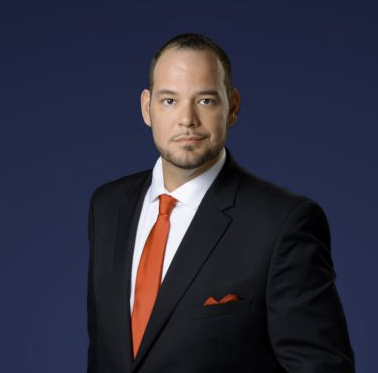
Barrett Henry is a Broker Associate at REMAX Collective with more than 23 years of Florida real estate experience. Cross-collateralization situations often involve multiple properties and complex lender negotiations that require both legal counsel and experienced real estate guidance. Barrett helps Florida investors and homeowners evaluate whether selling one or more properties -- through a pre-foreclosure sale, short sale, or other strategy -- can resolve a cross-collateralized default and protect remaining assets. Barrett serves Tampa Bay directly and connects statewide clients through a trusted referral network covering all 67 Florida counties.
Facing a cross-collateralized foreclosure? Contact us today for a free consultation.