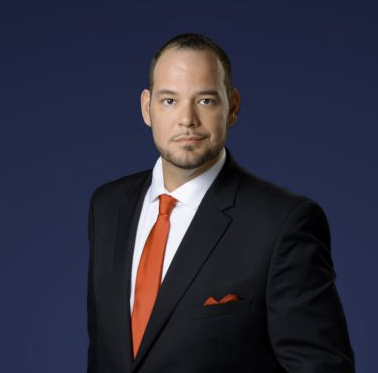

Barrett Henry is a Broker Associate at REMAX Collective with 23+ years of Florida real estate experience helping homeowners understand and navigate every stage of the foreclosure process. He provides direct service to Tampa Bay homeowners and referral connections to qualified professionals throughout all 67 Florida counties.
Receiving a foreclosure judgment is a painful moment — but it doesn't always have to be the final word. Florida law gives homeowners the right to appeal a foreclosure judgment under certain circumstances, and understanding how that process works could make a real difference for your family. This guide walks you through the key deadlines, the legal grounds for appeal, and what to realistically expect along the way.
Before diving in, it helps to understand how the Florida foreclosure process works from start to finish, so you know exactly where an appeal fits into the picture.
What does it mean to appeal a foreclosure judgment in Florida?
Appealing a foreclosure judgment means asking a higher court — typically a Florida District Court of Appeal — to review whether the trial court made a legal error in deciding your case. An appeal is not a new trial where you present new facts; it's a review of the court record to determine whether the law was applied correctly. If the appellate court agrees an error occurred, it may reverse the judgment, send the case back to the trial court, or in some cases, vacate the foreclosure entirely.
It's important to understand that an appeal is different from other ways you might stop a foreclosure in Florida. An appeal specifically challenges what happened inside the courtroom.
What is the deadline to file a foreclosure appeal in Florida?
In Florida, you generally have 30 days from the date the final judgment of foreclosure is rendered to file a Notice of Appeal with the trial court. This deadline is governed by Florida Rule of Appellate Procedure 9.110(b). Missing this window almost always means losing your right to appeal entirely, so acting quickly is critical.
If a foreclosure sale has already occurred, you may still have options. Under Florida Rule of Civil Procedure 1.540, you can file a motion to vacate a judgment within a reasonable time — or within one year for certain grounds like fraud, mistake, or newly discovered evidence. If you haven't yet responded to the foreclosure lawsuit, read our guide on how many days you have to respond to a foreclosure in Florida to understand your earlier options.
What are valid legal grounds for appealing a Florida foreclosure?
Not every foreclosure can be successfully appealed — you need a legitimate legal basis. The most common and recognized grounds include the following:
- Lack of standing: The lender must prove it had the legal right to foreclose at the time the lawsuit was filed. Under Florida law and cases interpreting § 702.015, Florida Statutes, the plaintiff must establish standing by showing ownership or possession of the original note. If they cannot, the judgment may be flawed.
- Improper service of process: If you were never properly served with the foreclosure complaint according to Florida's service of process rules, the court may not have had proper jurisdiction over you.
- Failure to comply with conditions precedent: Florida law and most mortgage contracts require the lender to send a proper default notice (often a 30-day cure letter) before filing suit. If they skipped or botched this step, it may constitute reversible error.
- Errors in the judgment itself: Miscalculations in the amount owed, incorrect property descriptions, or procedural errors during the trial can form the basis of an appeal.
- Violations of the Fair Foreclosure Act: Florida's § 702.015 requires lenders to verify their standing with specificity. Errors in this verification process have been grounds for reversal in Florida appellate courts.
Keep in mind that appealing based on hardship or financial difficulty alone is not a legal ground for reversal. If your challenge is more about financial circumstances than legal error, options like a loan modification, short sale, or filing bankruptcy may be more practical paths to explore.
Does filing an appeal automatically stop the foreclosure sale?
Filing a Notice of Appeal alone does not automatically stop a foreclosure sale in Florida. To halt the sale while your appeal is pending, you must separately request a stay of the foreclosure sale from the trial court or the appellate court, often under Florida Rule of Appellate Procedure 9.310. The court may require you to post a supersedeas bond — a sum of money meant to protect the lender if the appeal ultimately fails.
Getting a stay granted can be difficult without experienced legal help, which is why connecting with a foreclosure attorney as early as possible is so important. In the meantime, explore our free foreclosure resources to better understand your rights and options.
What happens after the foreclosure sale — is it too late to do anything?
If the foreclosure sale has already taken place, your options narrow but don't disappear entirely. You may be able to file a motion to set aside the sale if there were irregularities in the sale process, or pursue a Rule 1.540 motion to vacate the final judgment based on fraud, misrepresentation, or newly discovered evidence. Acting within one year is critical for most of these grounds.
You should also look into whether surplus funds from the foreclosure sale are owed to you — Florida law requires excess proceeds above the debt to be returned to the homeowner in many cases. And if you're worried about a deficiency judgment being entered against you after the sale, that's another issue worth addressing promptly.
If you still have time before a sale, selling your home before the foreclosure auction may help you walk away with equity intact and protect your credit far better than a completed foreclosure would.
Should you hire an attorney to appeal a foreclosure in Florida?
Yes — appealing a foreclosure is a complex legal process that is extremely difficult to navigate without professional help. Florida's appellate rules are technical, deadlines are unforgiving, and the arguments must be grounded in the trial court record. A foreclosure defense attorney can review your case, identify viable grounds, and guide you through every step.
If cost is a concern, reach out to a HUD-approved housing counselor in Florida — these services are free and can help you connect with legal aid resources in your area. You can also explore forbearance options that might buy you time while you seek counsel.
Related Guides for Florida Homeowners Facing Foreclosure
- How the Florida Foreclosure Process Works
- Florida Foreclosure Timeline: What to Expect at Each Stage
- 8 Ways to Stop Foreclosure in Florida
- Foreclosure Defense in Florida
- Standing Defense in Florida Foreclosure
- Sell Before Foreclosure: Protect Your Equity
- Florida Foreclosure Surplus Funds: How to Claim What Is Yours
- Deficiency Judgments After Foreclosure in Florida
- Florida Loan Modification Guide
- Using Bankruptcy to Stop Foreclosure in Florida
- Free HUD-Approved Housing Counselors in Florida
- Free Florida Foreclosure Resources
Facing foreclosure? Get free help today — no cost, no obligation.