
When a Florida homeowner realizes they are behind on their mortgage and facing foreclosure, the question that follows almost immediately is: who do I call? An attorney? A real estate agent? A counselor? A bankruptcy lawyer?
The honest answer is that most Florida homeowners in foreclosure need at least two of these professionals — and understanding which one does what, and in what order, often determines whether the outcome is a seven-year credit scar or a relatively clean exit with options intact. With Florida holding the nation's highest foreclosure rate in 2026, this is not a theoretical question.
The Core Distinction: What Each Professional Actually Does
A foreclosure defense attorney works inside the court system. Their job is to review the foreclosure lawsuit filed against you, identify any procedural or substantive defenses, respond to the complaint, contest improper documentation, challenge standing, negotiate delays, and in some cases secure a dismissal or force a better settlement through litigation. They operate in the legal dimension of your situation. They are not trained to price your home, negotiate with buyers, or evaluate how much equity you have.
A licensed REALTOR specializing in pre-foreclosure salesworks in the market dimension. Their job is to accurately assess what your home is worth today, advise on a pricing and marketing strategy, find a qualified buyer, and — in a short sale — negotiate directly with the lender's loss mitigation department for approval to close the sale at less than the full payoff. A REALTOR does not file legal documents, respond to court complaints, or negotiate loan modifications.
A HUD-approved housing counselor occupies a third lane: free, government-certified guidance on loss mitigation options including forbearance, loan modification, repayment plans, and short sales. They advocate directly with servicers and help homeowners navigate the application process — but they do not litigate and do not conduct real estate transactions.
Understanding these lanes matters because confusing them costs homeowners time and money. Calling an attorney when what you actually need first is an equity assessment and a listing strategy means you may spend money on legal fees while your home's equity quietly erodes. Calling a REALTOR when what you actually need first is an answer filed to a foreclosure complaint means you may lose your procedural rights while focusing on a market strategy.
When You Need a Foreclosure Defense Attorney First
Call an attorney first if any of the following are true:
- You have received a foreclosure summons and have 20 days or fewer to respond. Florida's judicial foreclosure process starts with a lawsuit, and being served with that summons starts a 20-day answer window. Missing this deadline without filing an answer can result in a default judgment — meaning you lose the ability to defend yourself — without any further notice.
- You believe the foreclosure is wrongful or the lender has made material errors in the loan account, documentation, or servicing history. These are legal defenses that only an attorney can raise effectively. The Florida foreclosure answer and defenses checklist explains what defenses may be available.
- You have already received a Motion for Summary Judgment or a scheduled court hearing date. At this stage, the case is moving toward a final judgment and the window to respond through the courts is closing quickly.
- You want to contest the foreclosure, buy time for a loan modification, or explore options that require slowing the court process. Florida is a judicial foreclosure state, which provides meaningful procedural protections — but only to homeowners who are actively participating in the case.
- You are considering bankruptcy as a way to stop the foreclosure. Whether Chapter 7 or Chapter 13 is appropriate — and how bankruptcy interacts with Florida's foreclosure timeline — requires a licensed attorney to evaluate. The bankruptcy and foreclosure overview for Florida explains the basics, but an attorney is essential before filing.
Many Florida foreclosure defense attorneys offer free initial consultations and sliding-scale or contingency fee arrangements. For a starting point, the Florida foreclosure defense attorney guide covers what to look for, questions to ask, and how the attorney-client relationship typically works in a foreclosure matter.
When You Need a REALTOR First
Call a REALTOR first — or at the same time as an attorney — if any of the following are true:
- You have equity in your home and you want to know what a sale would net you before you decide anything else. If your home is worth more than you owe, selling before foreclosure is almost always the best financial outcome available. It preserves your equity, avoids a judgment on your credit report, and keeps you in control of the timeline. A REALTOR can give you a free equity assessment in a single conversation.
- You are behind on payments but have not yet received a formal foreclosure complaint. This early window — typically the first 60 to 120 days of delinquency — is the most valuable time for a pre-foreclosure sale. Florida's pre-foreclosure home sale guide explains how the process works and how much time you realistically have.
- You owe more than your home is worth and need a short sale. Short sales require a REALTOR to list and market the property and to negotiate directly with the lender's loss mitigation department for payoff approval. A short sale with lender approval typically results in far less credit damage than a completed foreclosure — and many lenders prefer it because it returns more than a foreclosure auction. The Florida short sale overview explains how the lender approval process works.
- Your loan modification was denied and you need a plan B. If loss mitigation is not going to work, selling before the auction — through a traditional sale or a short sale — is the most common and financially sound alternative. A REALTOR can move quickly when time is limited.
- You want to understand your financial position before making any other decision. Knowing whether you have equity, and how much, is foundational information that shapes every other choice — whether to pursue a modification, fight the case, or sell. A free equity assessment from a REALTOR takes a conversation, not a retainer.
When You Need Both — and Why Most Homeowners Do
In most Florida foreclosure situations, the most effective outcome comes from having an attorney managing the legal track and a REALTOR managing the market track simultaneously. Here is why this is the typical situation rather than the exception:
Florida's foreclosure process is judicial, which means your case is in the court system whether you like it or not. Even if you ultimately plan to sell your home and do not intend to fight the case, you may benefit from an attorney filing a response and buying procedural time — 30, 60, or 90 additional days — that your REALTOR needs to find a buyer and close a sale. A contested case moves slower than an uncontested one; that breathing room can be the difference between closing a sale or watching the auction happen first.
Conversely, even if you have strong legal defenses and want to contest the foreclosure aggressively, knowing what your home is worth and what a market sale would net you is essential information for evaluating a settlement. Lenders sometimes offer deed-in-lieu agreements, loan reinstatements, or negotiated dismissals — and your ability to evaluate any of those offers intelligently depends on knowing your home's market value and your equity position. That information comes from a REALTOR, not an attorney.
The most common path for a Florida homeowner with equity and an active foreclosure case looks like this: the attorney files a response to preserve rights and slow the process; the REALTOR simultaneously assesses equity, lists the property, and finds a buyer; the sale closes before or shortly after a final judgment is scheduled; and the proceeds pay off the mortgage in full, eliminating the foreclosure judgment from the record. The legal track and the market track run in parallel, not in sequence.
What a HUD-Approved Housing Counselor Adds to This Picture
Before, during, or alongside conversations with an attorney and a REALTOR, a free HUD-approved housing counselor can provide an independent, no-cost review of your loan situation, explain all available loss mitigation options, and advocate directly with your servicer on your behalf. Free HUD-approved housing counselors in Florida are available through the HOPE Hotline at 1-888-995-4673 and the HUD referral line at 1-800-569-4287. This resource is always free and operates independently of lenders, attorneys, and real estate agents. It is often the right first call, especially before you have enough information to know which of the other professionals you need.
Watching for Scams in Florida's Foreclosure Market
Florida's high foreclosure volume in 2026 has also attracted a significant number of fraudulent foreclosure rescue operations. If anyone asks you to sign a deed or transfer your title as part of "saving" your home, asks for large upfront fees before delivering any service, or guarantees a specific result — stop immediately. Legitimate attorneys, REALTORs, and housing counselors do not ask you to transfer title, do not guarantee outcomes, and either offer free services (counselors) or charge fees only upon results (many attorneys and REALTORs). The Florida foreclosure rescue scam red flags guide explains the most common schemes and how to verify who you are dealing with.
How Florida's Foreclosure Mediation Program Fits In
Florida operates a foreclosure mediation program in many circuits that allows homeowners to negotiate directly with their lender in a structured, court-supervised setting. Mediation is typically available after a foreclosure lawsuit is filed but before a final judgment. An attorney is not required to participate in mediation — but having one is helpful, particularly to evaluate any settlement offer the lender presents. A REALTOR can support the mediation process by providing current market value data that strengthens your negotiating position. The Florida foreclosure mediation program guide explains how to request mediation, what to expect, and what outcomes are possible.
Florida's Dual-Tracking Ban and What It Means for Your Case
Federal mortgage servicing rules prohibit "dual tracking" — servicers cannot actively pursue foreclosure while simultaneously evaluating a complete loss mitigation application. This protection applies when you submit a complete application before a foreclosure suit is filed or, in some cases, before a certain procedural milestone in the case. Understanding this rule can help you time a loss mitigation application strategically. How the CFPB dual-tracking ban protects Florida homeowners explains the specific rules and their limits in a Florida judicial foreclosure.
Getting Started: A Practical First Step
If you are behind on your Florida mortgage and not sure which call to make first, start with the equity question: what is your home worth relative to what you owe? If the answer is "I have equity," a REALTOR conversation is urgent — before that equity erodes or the court process moves beyond the point where a clean sale is possible. If the answer is "I'm probably underwater," a housing counselor can help you map loss mitigation options while you simultaneously explore a short sale with a REALTOR. If you have already been served with a foreclosure complaint, an attorney is a priority in parallel with everything else.
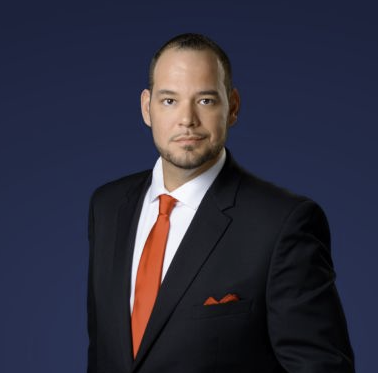
Barrett Henry, REALTOR®, works directly with Florida homeowners navigating foreclosure — evaluating equity, explaining options, managing pre-foreclosure and short sale transactions, and connecting homeowners with trusted local foreclosure defense attorneys and free HUD-approved counselors. Every conversation is confidential, and there is no obligation.
Call (813) 761-0133, email help@flforeclosurehelp.com, or visit the Get Help page to start the conversation.
Related Guides
- 8 Ways to Stop Foreclosure in Florida
- Florida Foreclosure Defense Attorney Guide
- Pre-Foreclosure Home Sale Guide for Florida Homeowners
- Free HUD Housing Counselors in Florida
- Florida Foreclosure Mediation Program Guide
- Florida Loan Modification Guide
- Forbearance vs. Loan Modification in Florida
- Florida Foreclosure Rescue Scam Red Flags
- Selling Your House Before the Foreclosure Auction in Florida
This is general information, not legal advice. Foreclosure laws, attorney licensing requirements, real estate licensing rules, and available programs vary by county and situation. Consult a qualified Florida attorney for guidance specific to your legal matter.
Free Resources
- HUD-approved housing counselor: 1-800-569-4287
- HOPE Hotline: 1-888-995-4673
- FHA Resource Center: 1-800-225-5342
- Barrett Henry, REALTOR®: (813) 761-0133