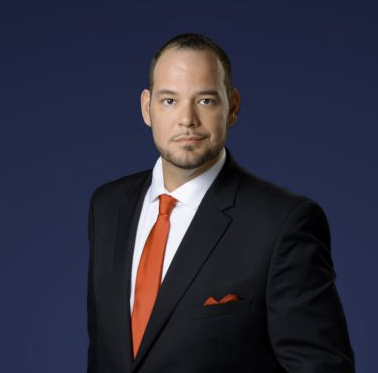

Barrett Henry is a Broker Associate at REMAX Collective with 23+ years of real estate experience in Florida. He helps homeowners and their families understand foreclosure rights and options throughout all 67 Florida counties, with direct service in the Tampa Bay region.
If your spouse took out a mortgage in their name alone, you might wonder what happens to you if they fall behind on payments. This is more common than you might think — and the answer depends on several factors, including how your home is titled, whether you signed anything at closing, and what rights Florida law gives you as a non-borrowing spouse.
The good news is that you have more protections than you may realize. Let's walk through what you need to know in plain, straightforward terms.
What Is a Non-Borrowing Spouse in a Florida Foreclosure?
A non-borrowing spouse is someone who is legally married to the borrower but did not sign the mortgage note or loan agreement. In Florida, this situation arises frequently when one spouse has better credit, when property was purchased before marriage, or when a lender qualifies only one income. You are not personally liable for the mortgage debt simply because you are married to the borrower — but that does not mean foreclosure cannot affect your living situation or property rights.
Can a Lender Foreclose If I Didn't Sign the Mortgage?
Yes, a lender can still foreclose on the property even if you did not sign the mortgage, as long as your spouse is the borrower. The foreclosure action is against the property itself, not just the borrower personally. However, the lender must still follow Florida's judicial foreclosure process, which means they have to file a lawsuit and serve all parties who may have an interest in the property — and that can include you. You can learn more about how this process unfolds at our Florida foreclosure process guide.
Do I Have to Be Named in the Foreclosure Lawsuit?
In most cases, yes. Florida is a judicial foreclosure state, meaning lenders must sue to foreclose. If you have any legal interest in the property — such as being on the deed, having homestead rights, or holding a dower or curtesy interest — the lender is required to name you as a party in the lawsuit. Failing to properly notify all interested parties can actually create problems for the lender down the road, including title defects. If you receive a foreclosure summons, you should not ignore it — even if you never signed the loan. Read more about how many days you have to respond to a foreclosure in Florida.
What Are My Homestead Rights as a Non-Borrowing Spouse in Florida?
Florida has some of the strongest homestead protections in the country. Under Article X, Section 4 of the Florida Constitution, a homestead property cannot be sold or mortgaged without the consent of both spouses — even if only one spouse is on the title or the loan. This means that if the home is your primary residence and you did not sign the mortgage, there may be a legal challenge to the lender's ability to foreclose or obtain clear title. This is a nuanced area of law, and the specifics depend on when the mortgage was executed and whether you signed any documents at closing. Speaking with a HUD-approved housing counselor or a Florida foreclosure attorney can help you understand your specific situation. Find local support through our HUD counseling resource guide.
Could I Be Responsible for a Deficiency Judgment?
A deficiency judgment is when a lender sues for the remaining balance after a foreclosure sale if the home sells for less than what is owed. As a non-borrowing spouse, you are generally not personally liable for a deficiency judgment because you never signed the promissory note. Florida Statute §702.06 governs deficiency judgments in foreclosure cases and makes clear that liability follows the note, not just the property. That said, it is always worth reviewing any documents you signed at closing with a professional. You can learn more about this topic in our article on deficiency judgments in Florida.
What Options Do We Have to Avoid Foreclosure?
There are several paths available that may help you and your spouse keep the home or exit the situation without the full impact of foreclosure. Acting early gives you the most choices. Here are some of the most common options worth exploring:
- Loan modification: Your spouse may be able to work with the lender to adjust the loan terms, lower monthly payments, or catch up on arrears. See our Florida loan modification guide for details.
- Mortgage forbearance: A temporary pause or reduction in payments may be available. Our Florida forbearance guide covers this in depth.
- Short sale: If the home is worth less than what is owed, a short sale allows you to sell the property with lender approval. Learn more at our short sale in Florida page.
- Selling before foreclosure: If there is equity in the home, selling before the auction date may be the smartest financial move. Visit our selling before foreclosure page for guidance.
- Bankruptcy: Filing for bankruptcy can trigger an automatic stay that halts the foreclosure process temporarily and may give your family time to reorganize. Read our guide on using bankruptcy to stop foreclosure in Florida.
For a full overview of all your options, visit our page on 8 ways to stop foreclosure in Florida.
What Happens to Surplus Funds After a Foreclosure Sale?
If the home sells at auction for more than what was owed on the mortgage, those extra funds — called surplus funds — may be available to you or your spouse. Florida Statute §45.032 establishes the right of former owners and other lienholders to claim these funds. As a non-borrowing spouse on the deed, you may have a legitimate claim to a portion of any surplus. Our article on Florida foreclosure surplus funds explains how to file a claim.
Where Can I Get Help Right Now?
If you are a non-borrowing spouse facing foreclosure, the most important thing you can do is get informed and get support early. There are free resources available through HUD-approved agencies, and our team at flforeclosurehelp.com is here to point you in the right direction. Visit our free resources page to access guides, checklists, and counselor referrals — or reach out directly through our get help page.
You do not have to navigate this alone, and there is no reason to wait until the situation gets worse. Facing foreclosure? Get free help today — no cost, no obligation.