The moment you hold a Florida foreclosure summons in your hands, the clock starts running. With Florida now ranking first in the nation for foreclosure filings in 2026, courts are processing thousands of new cases every month. The lender's attorneys move on a tight schedule. What you do — or don't do — in the next 48 hours will shape every option available to you from this point forward.
This guide walks you through the specific steps to take immediately after receiving a Florida foreclosure complaint, what the documents actually mean, and how to protect yourself before the legal window closes.
What Just Happened: Understanding the Documents You Received
Being served with a Florida foreclosure lawsuit means the lender has taken your default to the next level. Before the lawsuit, they sent notices and possibly a breach letter warning you that default had been declared. Now a circuit court judge has been assigned to your case, and the lender has filed a formal complaint asking the court to authorize a sale of your home.
You likely received two documents: the summons and the complaint. The summons is the court's official notice to you that a lawsuit has been filed. The complaint is the lender's detailed legal document stating the facts of the case — your loan amount, the claimed default, and what they are asking the court to do. Along with these, you may have received a copy of the lis pendens, which was recorded in the public record when the lawsuit was filed. Learning how to read a Florida foreclosure complaint is the first step to understanding exactly what the lender is claiming.
A lis pendens does not mean your home is sold. It means a legal action is pending. You are at the beginning of a process that — in Florida — typically takes 8 to 18 months from this point to an auction date, depending on your county and court docket. Review our Florida foreclosure timeline guide to understand the full sequence of what comes next.
Step 1: Note the Date — You Have 20 Days
Florida gives you 20 days from the date of serviceto file a written response with the court. This is not a suggestion. If you miss this deadline without filing anything, the lender's attorney will file a motion for default. Once a default is entered, the court can issue a final judgment of foreclosure without a trial, dramatically compressing the timeline to a sale.
Look at the date on the summons and the date you were actually handed the documents. Write both down. Note the date 20 days from when you were served. That date is your hard deadline for responding to the foreclosure complaint. Everything else in this guide matters, but this deadline matters most.
Step 2: Secure All Documents and Evidence
In the next 48 hours, gather and organize every document related to your mortgage. This includes:
- The original loan documents (note and mortgage/deed of trust)
- All mortgage statements for the past 12 months
- Any written correspondence with your servicer
- Records of payments made, including bank statements
- Any prior forbearance agreements, loan modification applications, or denial letters
- The foreclosure complaint and summons you just received
- Any notices sent before the lawsuit (breach letter, default notice)
Do not discard anything. Even documents that seem irrelevant can matter. If your servicer made errors in applying your payments or failed to follow proper procedures, those records may support a defense. Understanding how to answer a Florida foreclosure complaint requires knowing your own payment and communication history.
Step 3: Do Not Vacate or Abandon the Property
One of the worst things a Florida homeowner can do in the early stages of foreclosure is leave the home. Vacating or abandoning the property can be used as evidence to accelerate a fast-track foreclosure under Florida law, which eliminates any deficiency judgment protection. Your homestead rights and occupancy status also affect several of your options. Until you have spoken with an attorney and made a deliberate plan, stay in the home.
If the home is already vacant because you were forced to relocate for work or family reasons, let your attorney know — this is a fact pattern that requires specific handling from day one.
Step 4: Contact a Foreclosure Defense Attorney or HUD Counselor
With 20 days on the clock, you need professional guidance immediately. There are two primary resources:
A Florida foreclosure defense attorneycan file a legal response (called an "answer") on your behalf, raise defenses if any exist, and negotiate directly with the lender's counsel inside the court process. The right foreclosure defense attorney can extend your timeline, challenge improper procedures, and often open the door to loss mitigation discussions the servicer had previously closed. If your deadline is approaching and you do not have an attorney, call one today.
A HUD-approved housing counselor is free and can help you assess your loan situation, review your options with the servicer, and prepare a hardship package. They operate outside the court process and focus on the financial resolution side of your situation. Understand the difference between a HUD counselor and a foreclosure attorney so you know which one to prioritize given your timeline.
If cost is a concern, Florida legal aid organizations provide free representation to homeowners who meet income guidelines. Bay Area Legal Services, Florida Rural Legal Services, and Three Rivers Legal Services all take foreclosure cases at no charge for qualifying applicants.
Step 5: Evaluate Your Options — Honestly
Once you have professional support, you need to make a clear-eyed assessment of your position. The options available to you at this stage include:
Loan modification. If you have experienced a temporary hardship and can now afford a modified payment, a loan modification may allow you to resolve the default and restructure the loan. Your servicer is required to evaluate you for loss mitigation before proceeding with certain steps in the foreclosure process.
Reinstatement. If you can bring the loan fully current — all missed payments, fees, and costs — you can stop the foreclosure entirely by reinstating. Florida law gives you the right to reinstate a loan at any point before the final judgment is entered.
Selling the home. If you have equity, selling before the foreclosure sale protects your credit, pays off the loan, and puts money in your pocket. Even with a lawsuit pending, you can sell your home during foreclosure in Florida. This is often the best outcome for homeowners who cannot sustain the mortgage long-term.
Short sale. If you owe more than the home is worth, a short sale allows you to sell for less than the payoff amount with lender approval. Short sales require negotiation and lender cooperation but typically result in a better credit outcome than a completed foreclosure.
Defending the case. If the lender made procedural errors, failed to follow required notice timelines, or cannot prove standing to foreclose, a defense may be viable. Review our guide on filing an answer to a Florida foreclosure complaint to understand how this process works.
Bankruptcy. Filing for Chapter 13 bankruptcy triggers an automatic stay that immediately halts the foreclosure case. This can buy time to restructure debt and create a repayment plan. Consult a bankruptcy attorney to understand whether this fits your situation.
Step 6: Write Down Your Hardship Story
Whether you are pursuing a loan modification, a short sale, or any other loss mitigation option, you will need to submit a hardship letter explaining why you fell behind and what has changed. Start drafting this now. A clear, honest account of your situation — job loss, medical emergency, insurance cost increases, divorce, or any other qualifying hardship — is the foundation of any successful loss mitigation application. Our hardship letter template gives you a proven structure to work from.
Barrett Henry, REALTOR® at REMAX Collective, works directly with Florida homeowners at every stage of the foreclosure process, including those who have already been served with a lawsuit. Call (813) 761-0133 or request a free consultation to discuss your options with no pressure and no cost.
What Not to Do in the First 48 Hours
Equally important as the steps above is understanding what to avoid:
- Do not call the lender's foreclosure attorney. Their attorney represents the lender, not you. Nothing you say will help your case, and anything you say can be used against you.
- Do not make partial payments without understanding the terms. Some servicers will accept a partial payment but apply it in a way that does not cure the default. Others will return it. Confirm with your attorney how partial payments affect your legal standing before sending money.
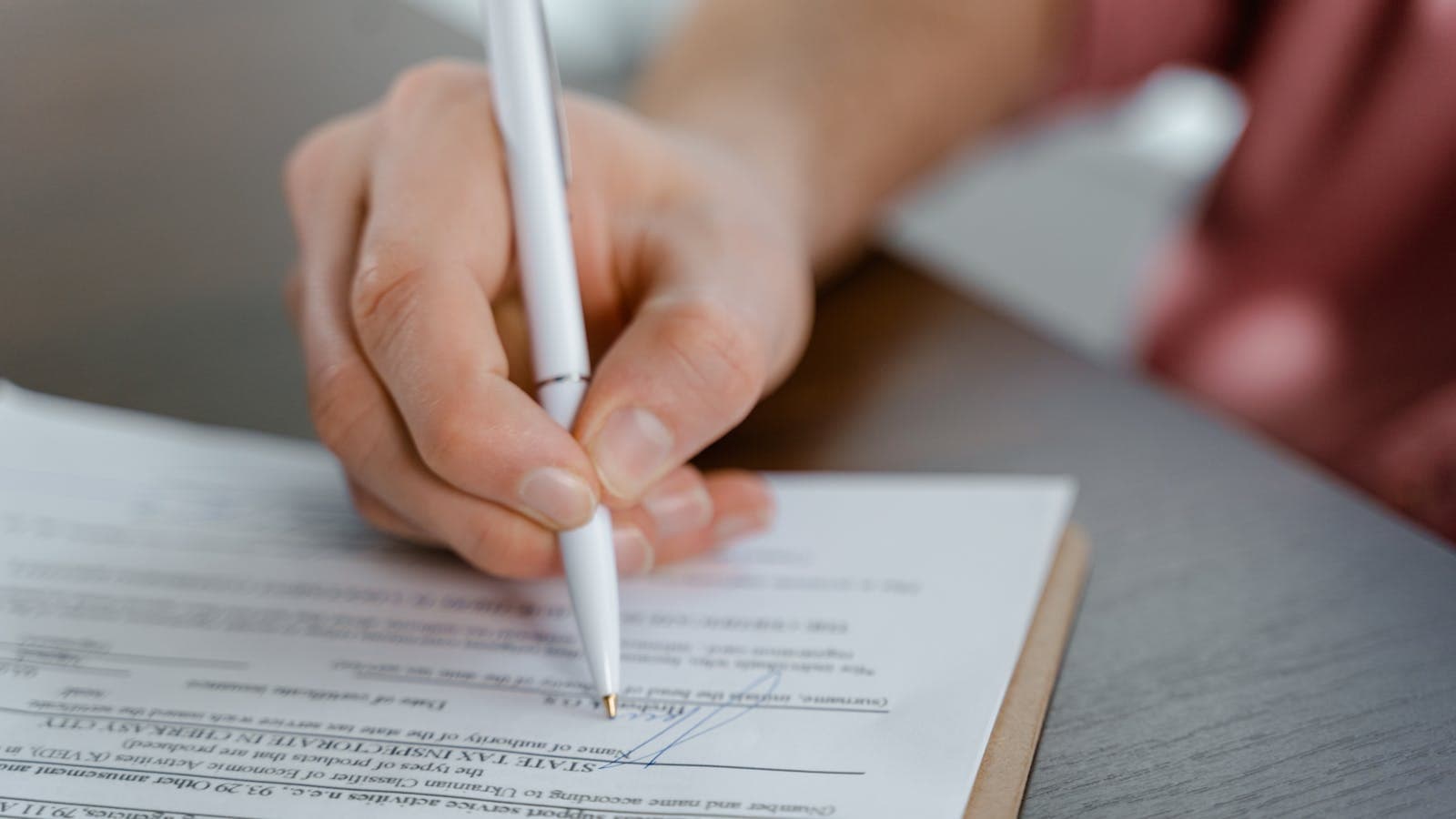
- Do not sign anything without legal review. You may receive offers from the lender — modification agreements, deed-in-lieu proposals, or cash-for-keys arrangements. These may or may not be in your best interest depending on the specific terms. Have an attorney review any document before you sign.
- Do not assume it is too late to act. With a 20-day response window and a foreclosure process that typically takes months in Florida, you have more time than you think — but only if you start acting now.
Free Resources for Florida Homeowners Facing Foreclosure
- HUD-Approved Housing Counselors: Free, confidential guidance — call 1-800-569-4287 or see our guide to finding a HUD counselor in Florida
- HOPE Hotline:1-888-995-4673 — free help navigating your servicer's loss mitigation process
- Florida Legal Aid: Free legal representation for qualifying homeowners — see Florida legal aid for foreclosure defense
- Florida Bar Lawyer Referral Service: 1-800-342-8011 — connects you with a licensed Florida attorney for a low-cost initial consultation
- Barrett Henry, REALTOR® — Free Consultation: Call (813) 761-0133 or submit your information here for a confidential review of your situation and options
The Bottom Line
A Florida foreclosure lawsuit is serious, but it is not the end of the road. You have a 20-day window to respond, and within that window — and well beyond it — you have real options. The homeowners who come out of this process in the best position are the ones who act immediately, get professional guidance, and make informed decisions rather than letting the process happen to them.
The options for stopping a Florida foreclosure are broader than most homeowners realize at this stage. Do not wait another day.
Legal Disclaimer:This article is provided for general informational purposes only and does not constitute legal advice. Foreclosure laws, procedures, and available programs change frequently. Every homeowner's situation is unique. Consult a licensed Florida attorney and a HUD-approved housing counselor for advice specific to your circumstances. Barrett Henry is a licensed Florida real estate professional, not an attorney, and does not provide legal advice.