When foreclosure paperwork starts arriving, one of the first questions Florida homeowners ask is whether they need a lawyer. The answer depends on where you are in the process, what your servicer is doing, and what outcome you are trying to reach. In many cases the right answer is not one or the other — it is both.
This guide breaks down what HUD-approved housing counselors and foreclosure defense attorneys each do, what they cost, and how to decide which one (or which combination) fits your situation. If you are already behind on payments or have received a foreclosure complaint, this decision matters now.
What a HUD-Approved Housing Counselor Does
HUD-approved counselors are certified by the U.S. Department of Housing and Urban Development and funded by federal grants. Their foreclosure prevention services are always free. Here is what they handle:
- Budget and financial review. They look at your income, expenses, and debts to determine what you can realistically afford for a monthly mortgage payment.
- Loan investor identification. They determine whether your loan is backed by Fannie Mae, Freddie Mac, FHA, VA, or a private investor, which directly affects which loan modification programs are available to you.
- Loss mitigation application support. They help you complete and submit your application package to the servicer, ensuring nothing is missing that would cause a denial.
- Servicer communication. They can contact your servicer on your behalf and often have dedicated servicer hotlines that homeowners cannot access directly.
- Scam prevention. They help you identify fraudulent offers, especially common equity-stripping scams targeting seniors and fixed-income homeowners.
What a counselor cannot do: represent you in court, file legal motions, or provide legal advice. They work on the administrative and financial side of your situation, not the judicial side.
What a Foreclosure Defense Attorney Does
A foreclosure defense attorney is a licensed Florida lawyer who represents you in the judicial foreclosure process. Florida is a judicial foreclosure state, meaning every residential foreclosure goes through the court system. Here is what an attorney handles:
- Filing your answer. When you are served with a foreclosure complaint in Florida, you have 20 calendar days to file a written answer with the court. Missing this deadline can result in a default judgment. An attorney drafts and files this response.
- Raising legal defenses. Common defenses include lack of standing (the plaintiff cannot prove they own the note), statute of limitations issues, RESPA and TILA violations, and improper service of process.
- Filing motions. Motions to dismiss, motions to compel discovery, motions to vacate default — these are legal tools that can slow or stop the foreclosure process.
- Court representation.The attorney appears at hearings, mediations, and trial on your behalf and negotiates directly with the plaintiff's counsel.
- Protecting against servicer violations. If your servicer engaged in dual tracking, failed to follow the CFPB 120-day rule, or violated Florida foreclosure statutes, an attorney can use those violations in your defense.
What Does a Foreclosure Attorney Cost in Florida?
Attorney fees vary by region and case complexity, but typical ranges for Florida foreclosure defense are:
- Initial retainer:$1,500 to $5,000. This covers the attorney's review of your case, filing an answer to the complaint, and initial motions.
- Monthly representation: $500 to $1,500 per month for ongoing defense, including hearings, discovery, and servicer negotiations.
- Flat-fee tasks: Some attorneys offer flat fees for specific work — for example, $750 to $1,500 to file an answer and raise affirmative defenses without ongoing representation.
If you cannot afford an attorney, Florida has legal aid organizations that provide free foreclosure defense to qualifying homeowners. Visit the Florida Bar's lawyer referral service or contact your local legal aid office. Our foreclosure defense attorneys guide includes tips for finding representation.
A Simple Decision Framework
Use this framework to figure out which professional you need right now:
Start With a HUD Counselor If:
- You are behind on payments but have not been served with a foreclosure complaint yet
- You want to apply for a loan modification, forbearance, or partial claim
- You are not sure what type of loan you have or who your investor is
- Your modification was denied and you want help appealing or reapplying
- You need help understanding your budget and whether keeping the home is realistic
Hire an Attorney If:
- You have been served with a foreclosure complaint and the 20-day answer deadline is approaching
- You believe your lender or servicer violated federal or state law
- Your servicer is advancing the foreclosure while your loss mitigation application is pending (dual tracking)
- You need to delay the foreclosure timeline to complete a modification or sale of the property
- A default judgment has been entered against you and you need to vacate it
Use Both If:
- You have been served but also want to pursue loss mitigation
- Your case involves both legal issues and a pending modification application
- You want the counselor handling the servicer paperwork while the attorney handles the courtroom
There is no conflict between the two. A HUD counselor and a foreclosure attorney serve different roles, and many attorneys actively recommend that their clients work with a counselor at the same time.
Where a Real Estate Broker Fits In
Not every foreclosure situation ends with keeping the home. When the numbers do not work — when the mortgage payment will remain unaffordable even after modification — selling the property before the auction may be the strongest financial move. That is where a local real estate broker experienced in foreclosure timelines becomes valuable.
A broker can pull comparable sales, estimate your equity, and list the property within the foreclosure timeline so you walk away with cash instead of a judgment. If you owe more than the home is worth, a broker can also facilitate a short sale with lender approval.
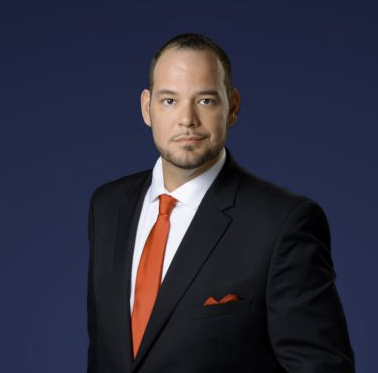
As a REALTOR® and local real estate broker with 23+ years of experience, I (Barrett Henry) work alongside HUD counselors and attorneys to help Florida homeowners evaluate whether selling is the right path. There is no cost or obligation for that conversation. Call (813) 761-0133 or email help@flforeclosurehelp.com.
Taking the First Step
If you are not sure where to start, call a HUD-approved counselor first. It is free, there is no commitment, and within one conversation you will have a clearer picture of your loan, your options, and whether you also need legal representation. You can reach a counselor at 1-800-569-4287.
For more on navigating the foreclosure process in Florida, explore our homepage, FHA Payment Supplement guide, or foreclosure defense options. You can also request a free consultation with our team.
Related Guides
This is general information, not legal advice. Consult a qualified Florida attorney for guidance specific to your situation.
Free Resources
- HUD-Approved Housing Counselor: 1-800-569-4287
- FHA Resource Center: 1-800-225-5342
- HOPE Hotline: 1-888-995-4673