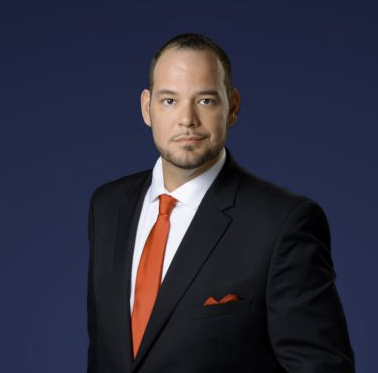
Barrett Henry is a Broker Associate at REMAX Collective with 23+ years of Florida real estate experience helping homeowners respond to accelerated foreclosure procedures throughout all 67 Florida counties. He provides direct service in the Tampa Bay area and referral connections statewide.
If you have received a court document titled "Order to Show Cause" in a Florida foreclosure case, do not ignore it. This is one of the most time-sensitive documents in the entire foreclosure process, and the consequences of inaction are severe. This guide explains what the Order to Show Cause procedure is under Florida Statute § 702.10, how it differs from a standard foreclosure timeline, and what your options are right now.
What Is the Order to Show Cause Procedure Under F.S. 702.10?
Florida Statute § 702.10 establishes an expedited summary procedure that lenders can use to accelerate a foreclosure case toward final judgment. After the lender files a motion, the court issues an Order to Show Cause directing the defendant -- typically the homeowner -- to appear at a hearing and explain why a final judgment of foreclosure should not be entered. The purpose is to streamline cases that appear to be uncontested, particularly where a property is vacant or the homeowner has not participated in the case.
Unlike the standard foreclosure path, which proceeds through formal discovery and motions practice over many months, the § 702.10 procedure can compress the timeline to a matter of weeks. This is why receiving one of these orders requires immediate action. Review our Florida foreclosure process overview to understand how the Order to Show Cause fits within the broader timeline.
How Is the Order to Show Cause Served?
The Order to Show Cause is typically served on the homeowner the same way as other court documents in the foreclosure case -- by process server or by mail, depending on what the court has already authorized. If you have already been served with the original foreclosure complaint, you may receive this order through the same channel. Always keep your current address updated with the court or through your attorney, because failing to receive a document due to an incorrect address does not pause the deadlines that it triggers.
What Defenses Can You Raise at the Hearing?
Appearing at an Order to Show Cause hearing gives you the opportunity to raise legal defenses that may delay or ultimately defeat the foreclosure. Common defenses in Florida foreclosure cases include:
- Lack of standing -- the plaintiff may not be the actual owner of the note and mortgage, particularly after multiple assignments
- Improper service -- if you were not properly served with the original complaint or later documents
- Errors in the amount claimed -- incorrect principal, interest calculations, or fees in the lender's accounting
- Failure to comply with federal servicing rules -- violations of RESPA loss mitigation requirements under Regulation X
- Pending loss mitigation application -- a complete application submitted to your servicer may suspend certain foreclosure actions
You do not need to prove these defenses at the Order to Show Cause hearing -- you need to demonstrate that a genuine factual or legal dispute exists that warrants a full hearing rather than summary judgment. Learn more about how many days you have to respond to a Florida foreclosure complaint and what that initial response should include.
What Happens After the Order to Show Cause Hearing?
There are several possible outcomes. If you appear and raise a valid defense, the court will typically allow the case to proceed through normal litigation rather than entering an immediate summary judgment. If you appear but fail to raise a legally sufficient defense, the court may enter a final judgment of foreclosure immediately or set a brief additional timeline. If you do not appear, the court will almost certainly enter a final judgment and set a sale date -- often 20 to 35 days later under Florida law.
If a final judgment is entered, your remaining options are limited. You can reinstate the loan by paying all arrears and costs before the scheduled sale under Florida Statute § 702.03. You can redeem the mortgage by paying the full balance before the sale under § 45.0315. Or you can file for bankruptcy to trigger the automatic stay. See our guide on 8 ways to stop foreclosure in Florida for a full overview of these tools.
Can You Still Negotiate a Loan Modification After the Order to Show Cause?
Yes -- and this is often the most practical path for homeowners who want to keep their home. Submitting a complete loss mitigation application to your servicer under CFPB Regulation X creates procedural protections that can pause certain foreclosure actions, and it may give your attorney grounds to request a continuance of the Order to Show Cause hearing. Read our detailed Florida loan modification guide to understand what documents you will need and how the application process works step by step.
If keeping the home is not your goal, a short sale or deed in lieu of foreclosure may still be available even after an Order to Show Cause is issued. Lenders generally must pause foreclosure action while evaluating a complete short sale offer. See our Florida short sale page and deed in lieu of foreclosure guide for details on each option. You can also explore forbearance options if you need short-term payment relief while pursuing a longer-term solution.
Is the Property Vacant or Abandoned? That Changes the Analysis.
Florida Statute § 702.10 is used most aggressively in vacant or abandoned property cases. If you have already moved out of the home, lenders are more likely to seek the Order to Show Cause procedure because the property is unoccupied and the case often goes uncontested. If you are no longer living in the property but still have options you want to explore -- such as a short sale or deed in lieu -- it is especially important to contact the servicer and your attorney before any scheduled hearing, because an uncontested judgment can arrive quickly. If you believe surplus funds may result from the eventual sale, see our guide on Florida foreclosure surplus funds.
Free Help Is Available for Florida Homeowners
A HUD-approved housing counselor can help you understand your options at no cost. They work with mortgage servicers every day and can often identify loss mitigation opportunities that homeowners would miss on their own. Call 1-800-569-4287 or read our post on HUD counseling for Florida foreclosure to find an approved agency near you. Our free resources page also has additional tools and contacts for Florida homeowners at every stage of the foreclosure process. If you have already received a foreclosure complaint and need to understand the formal process, see our Florida foreclosure process overview. Our foreclosure checklist can help you track every deadline and required action.
Facing foreclosure? Get free help today -- no cost, no obligation.