Foreclosure is stressful in any circumstance. But when the homeowner is elderly, seriously ill, incapacitated, or deployed with the military, it becomes even more complex -- someone needs to act on their behalf. A properly drafted power of attorney (POA) can authorize a family member or trusted agent to handle foreclosure-related matters, from negotiating with the servicer to authorizing a short sale.
Understanding what a POA can and cannot do in a Florida foreclosure context -- and how servicers treat POAs -- is essential before relying on one.
What Is a Florida Power of Attorney?
A power of attorney is a legal document in which a person (the principal) grants another person or entity (the attorney-in-fact or agent) authority to act on the principal's behalf. Florida's POA law is governed by Chapter 709 of the Florida Statutes.
There are two critical types of POAs in the foreclosure context:
| Type | Remains Valid if Principal Incapacitated? | Use in Foreclosure |
|---|---|---|
| Durable POA | Yes | Preferred -- survives incapacity of the principal |
| Non-durable POA | No -- terminates upon incapacity | Limited -- not useful for elderly/ill homeowners |
| Springing POA | Yes -- but only activates on a triggering event | May have delays proving the trigger occurred |
| Limited (special) POA | Depends on language | May be sufficient for a single specific transaction |
Under Florida Statute 709.2104, a POA is durable only if it includes language stating that the authority conferred is not affected by the subsequent incapacity of the principal. Without that language, a POA is presumed non-durable and will terminate if the homeowner becomes incapacitated.
What Specific Powers Must a Foreclosure POA Include?
A general POA that grants broad authority may be sufficient -- but a well-drafted Florida POA for foreclosure purposes should specifically include:
- Real property transactions -- authority to sell, convey, mortgage, encumber, and otherwise deal with real property (Florida Statute 709.2201 lists specific powers that must be expressly granted)
- Financial transactions -- authority to handle bank accounts, make payments, and manage financial affairs related to the property
- Mortgage and loan modification authority -- authority to negotiate with lenders, servicers, and loss mitigation departments; to sign forbearance, modification, and repayment agreements
- Short sale authority -- authority to accept a short sale offer, approve a net proceeds statement, and authorize closing
- Deed execution authority -- authority to execute and deliver a deed conveying the property (this must be express under Florida law)
How Servicers Handle POAs
When you contact a mortgage servicer's loss mitigation department under POA authority, expect the servicer to:
- Request a copy of the POA -- typically a certified copy or the original
- Require the POA to be recorded in the county official records where the property is located
- Review the POA for specific language authorizing the relevant transactions
- In some cases, require execution of the servicer's own POA or authorization form in addition to the existing POA
Servicers are cautious about POAs because of fraud risk -- an unauthorized person using a fake or outdated POA to authorize a transaction they are not entitled to make. This caution can slow the process. Begin the POA verification process with the servicer as early as possible, before the foreclosure progresses.
POA and Loss Mitigation: Practical Considerations
The attorney-in-fact can submit a loss mitigation application on behalf of the principal, including:
- Completing the servicer's hardship application with the principal's financial information (income, assets, expenses)
- Providing the principal's financial documents (tax returns, bank statements, pay stubs or disability/benefit letters)
- Signing a hardship letter on behalf of the principal
- Accepting or rejecting a loan modification offer
- Authorizing a short sale buyer and seller concessions
The servicer may still require that certain documents -- particularly the hardship letter -- be signed by the principal personally if possible, or include a medical statement explaining why the POA is necessary. Work with a HUD-approved housing counselor who can advocate for the principal and navigate servicer requirements.
What a POA Cannot Do in Florida Foreclosure
Even the broadest durable Florida POA has limitations in the foreclosure context:
- Cannot file bankruptcy: Bankruptcy must be filed by the debtor personally. An attorney-in-fact cannot file under POA authority. If the homeowner is legally incapacitated, a court-appointed guardian may be required.
- Cannot act after the principal's death: A POA terminates at death. After death, authority passes to the personal representative of the estate through the probate process.
- Cannot override the servicer's internal requirements: Servicers are not required to accept any particular POA format, and they may impose requirements beyond what Florida law mandates.
- Cannot act in bad faith:The attorney-in-fact has a fiduciary duty to the principal and cannot use the POA for personal benefit at the principal's expense.
Executing a Florida POA While the Principal Still Has Capacity
The most important thing to understand about a durable POA: it must be executed while the principal has legal capacity. A POA signed after a person has lost the mental capacity to understand what they are signing is void and unenforceable.
For elderly homeowners, homeowners with progressive illness, or anyone whose capacity may be questioned, it is critical to execute a durable POA as early as possible -- ideally well before a foreclosure crisis. Contact a Florida estate planning attorney or elder law attorney to draft a POA that will be accepted by mortgage servicers and title companies.
Military Servicemembers: SCRA and POA Combined
Military servicemembers on active duty have rights under both the Servicemembers Civil Relief Act (SCRA) and through a military POA. A family member holding a military POA can:
- Assert SCRA rights with the servicer on behalf of the deployed servicemember
- Request an interest rate reduction to 6 percent on pre-service debt
- Notify the foreclosure court of the servicemember's active duty status
- Request appointment of a counsel to protect the servicemember's interests if a default judgment is being sought
Military legal assistance (JAG office) is available at no cost at most installations and can help servicemembers and their families navigate both SCRA protections and POA requirements.
About the Author
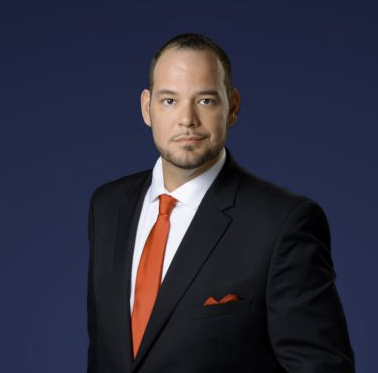
Barrett Henry is a Broker Associate at REMAX Collective with 23-plus years of Florida real estate experience. He helps families navigating Florida foreclosure on behalf of elderly, ill, or deployed family members, including coordinating short sales and pre-foreclosure sales under POA authority. Contact us for a free consultation. Use the free equity estimatorto understand the property's current value and options.