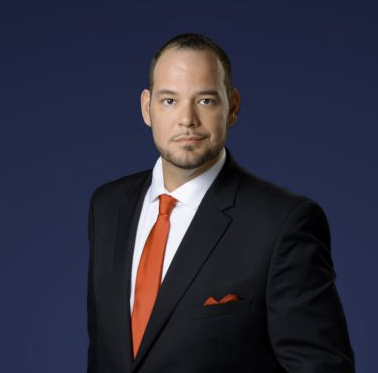
Barrett Henry is a Broker Associate at REMAX Collective with 23+ years of Florida real estate experience. He helps Florida homeowners understand their rights during and after the foreclosure process, including recovering money they are owed, across all 67 Florida counties. Direct service in Tampa Bay; referral connections statewide.
If your Florida home sold at foreclosure auction for more than you owed, you may be entitled to the difference -- called surplus funds or excess proceeds. Former homeowners in this situation are frequently contacted by surplus funds recovery companies offering to claim this money on their behalf in exchange for a fee of 30% to 50% of the recovered amount. Before signing anything, understand that Florida law gives you the right to claim these funds yourself within 60 days of the foreclosure sale at little or no cost. This guide explains the process, the risks, and what to watch out for.
What Are Foreclosure Surplus Funds?
When a Florida property sells at a foreclosure auction, the sale proceeds are distributed in a specific order:
- Court costs and fees
- The foreclosing lender's judgment amount (principal, interest, attorney fees)
- Junior lienholders in order of priority (second mortgages, HOA liens, judgment liens)
- Any remaining balance goes to the former homeowner as surplus funds
In a rising real estate market, it is not uncommon for a Florida foreclosure sale to generate more than the total debt owed. The surplus is held by the clerk of court in the registry of the court until claimed. For the full picture of how proceeds are distributed after a Florida foreclosure sale, see our guide to Florida foreclosure surplus funds.
Your Right to Claim Surplus Funds Under Florida Statute 45.032
Florida Statute 45.032 establishes a clear process for former homeowners to claim surplus funds:
- After the foreclosure sale, the clerk issues a Certificate of Sale, then (if no objections are filed within 10 days) a Certificate of Title.
- You have 60 days from the date the Certificate of Title is issued to file a claim with the clerk of court.
- Junior lienholders also have rights during this 60-day window. If multiple parties claim the surplus, the court determines priority.
- If no claim is filed within 60 days, the clerk transfers the funds to the Florida Department of Financial Services as unclaimed property.
The clerk of court can tell you whether any surplus exists in your case and what forms are required to file a claim. Many counties provide self-help forms at the courthouse or on their website. Understand the full Florida foreclosure process and Florida foreclosure timeline to understand where surplus claims fit in the sequence.
How Surplus Funds Recovery Companies Find You
Florida foreclosure records are public. Companies that specialize in surplus fund recovery monitor court dockets to identify cases where the sale price exceeded the judgment amount. They then contact former homeowners -- often by mail, phone, or even door-knocking -- shortly after the Certificate of Title is issued, before the 60-day self-claim deadline expires.
These companies are motivated by the time pressure: the sooner you sign their agreement (and before you learn you can file yourself), the more likely you are to do so. Understanding this dynamic is your best protection.
The True Cost of Hiring a Recovery Company
Consider a realistic example: your Florida home sold at auction for $285,000 and you owed $250,000 on your mortgage. The $35,000 surplus belongs to you. A recovery company charging 40% would keep $14,000 -- for filing paperwork with the clerk of court that you could have filed yourself. Most Florida clerks of court have self-help staff who can guide you through the process at no charge.
Even if you hire an attorney to assist you with the filing rather than doing it yourself, a flat-fee consultation typically runs $300 to $800 -- far less than $14,000. The Florida resources page includes legal aid organizations that provide free or low-cost assistance to qualifying homeowners.
How to Claim Florida Foreclosure Surplus Funds Yourself
The general process for claiming surplus funds from the clerk of court:
- Confirm a surplus exists. Contact the clerk of court for the county where the foreclosure was filed (use the case number from the foreclosure summons or search the county's online court docket with your name or property address).
- Get the required forms. Ask the clerk for the Motion to Claim Surplus Funds form. Many counties have these on their website under foreclosure or civil division forms.
- Gather your documents. You will typically need: a completed motion, a copy of your prior deed showing your ownership, a government-issued photo ID, and proof of your current address.
- File before the 60-day deadline. File the completed motion with the clerk of court. There may be a small filing fee (typically under $50).
- Attend any hearing. If there are competing claims from junior lienholders, a court hearing may be set to determine distribution.
What If the Surplus Has Already Been Transferred to the State?
If the 60-day window passed and the funds were transferred to the Florida Department of Financial Services as unclaimed property, you can still claim them. Search the state's unclaimed property database at MyfloridaCFO.com using your name or the former property address. Claims to the state require proof of identity and prior ownership but there is no deadline -- the state holds these funds indefinitely.
Recovery companies also assist with state unclaimed property claims, but the state's own website walks you through the process. For state claims, a recovery company's involvement is even less justified than for the original court claim.
Red Flags: When a Recovery Company May Be a Scam
Not all surplus funds recovery companies are scams, but the industry has attracted predatory operators who target vulnerable former homeowners. Watch for these warning signs:
- Pressure to sign immediately -- they emphasize the 60-day deadline and rush you to sign their contract before you can consult anyone.
- Unclear fee disclosure -- legitimate companies disclose their exact percentage in writing in the contract; vague fee structures are a red flag.
- Assignment of rights -- some agreements ask you to "assign" your rights to the surplus rather than authorize the company to file on your behalf, which can result in you having no legal recourse if they don't perform.
- Discouraging you from talking to the clerk or an attorney -- any company that tells you the process is "too complicated" to handle yourself without their help is misleading you.
- Upfront fees -- legitimate contingency-fee companies should not charge upfront fees before recovering any money.
If you believe you have encountered a predatory surplus funds company, file a complaint with the Florida Attorney General's Office (myfloridalegal.com) and the Florida Office of Financial Regulation. See our HUD-approved housing counselor resources for free help understanding your options after foreclosure.
When Hiring a Recovery Company or Attorney Might Make Sense
In most cases, former homeowners can claim surplus funds themselves or with minimal legal assistance. There are limited situations where professional help is genuinely warranted:
- Complex competing claims: If multiple junior lienholders (second mortgage, HOA, judgment creditors) are also claiming the surplus, the priority dispute may require legal argument before the court. An attorney (not a recovery company) is better suited for this.
- Missing documentation: If you cannot locate your prior deed or other required documents, professional assistance may help track them down.
- Geographic distance or disability: If you moved out of state or are unable to manage the correspondence with the clerk, a local attorney can handle the filing for a reasonable flat fee.
In all of these cases, a Florida foreclosure attorney or legal aid organization is a better choice than a recovery company because attorney fees are regulated, their ethical obligations are clear, and flat fees for this type of filing are typically far below a 30-50% contingency.
For more on your rights after a Florida foreclosure sale, see our complete guide to Florida foreclosure surplus funds, the Florida Certificate of Title guide, and the Florida foreclosure checklist.
Have questions about surplus funds or your options after foreclosure? Get free help today -- no cost, no obligation.