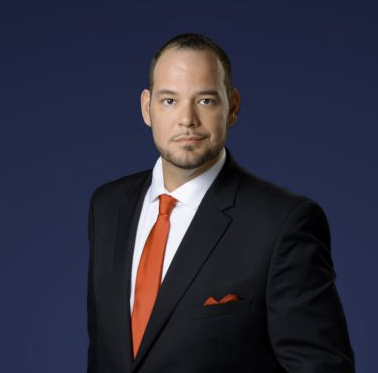
Barrett Henry is a Broker Associate at REMAX Collective with 23+ years of Florida real estate experience. He works with Florida seniors and their families to understand reverse mortgage situations, evaluate pre-foreclosure sale options, and connect with HUD-approved counselors. He provides direct service to Tampa Bay area clients and referral connections throughout all 67 Florida counties.
When a HECM (Home Equity Conversion Mortgage) reverse mortgage borrower dies or moves permanently to a nursing facility, the loan becomes due and payable. For many Florida seniors, their spouse -- who may not have been on the loan -- faces the prospect of immediate foreclosure on the family home. Understanding the rules created by HUD in 2014 is essential for surviving spouses to protect their right to remain in the home.
This guide covers the Eligible Non-Borrowing Spouse protections, the conditions required to maintain them, what happens when protections do not apply, and the options available to Florida non-borrowing spouses facing foreclosure.
Background: Why Non-Borrowing Spouse Problems Exist
Before 2014, a non-borrowing spouse who was not listed on the HECM faced immediate foreclosure when the borrower died or moved out -- even if the couple had been together for decades and the home was their shared residence. Lenders had argued that the HECM terms required repayment when the last borrower vacated, regardless of whether a spouse remained.
Multiple federal lawsuits challenged this interpretation, and HUD responded with Mortgagee Letter 2014-07 (August 2014) and the revised ML 2015-02, creating the Eligible Non-Borrowing Spouse (ENBS) framework. Congress later codified similar protections in the Housing and Economic Recovery Act amendments.
These protections apply to HECMs -- federally insured reverse mortgages administered by FHA. For general background on reverse mortgage foreclosure in Florida, see our Florida reverse mortgage foreclosure guide.
Eligible vs. Ineligible Non-Borrowing Spouse: The Critical Distinction
HUD distinguishes between two categories of non-borrowing spouses, and the difference determines whether you can remain in the home after a triggering event:
| Factor | Eligible NBS | Ineligible NBS |
|---|---|---|
| Married to borrower at loan origination? | Yes (required) | No (subsequent marriage) |
| Named in loan documents as NBS? | Yes (required) | No |
| Principal residence at origination? | Yes (required) | No or disputed |
| Deferral period available? | Yes -- loan not immediately due | No -- loan due on triggering event |
| HECM origination date | On or after Aug. 4, 2014 (or assigned to HUD) | Pre-2014 loans (protections limited) |
The Deferral Period: What It Means for Florida Non-Borrowing Spouses
The Deferral Period is the window during which an Eligible Non-Borrowing Spouse can remain in the home after the HECM borrower dies or permanently moves to a care facility, without the loan being immediately due and payable. During this period:
- No monthly mortgage payment is required (consistent with the reverse mortgage structure)
- The loan balance continues to accrue interest and MIP charges
- The ENBS must pay property taxes and homeowners insurance (failure triggers the due-and-payable date)
- The ENBS must maintain the property to FHA minimum property standards
- The ENBS must continue to occupy the home as their principal residence
The Deferral Period ends when the ENBS vacates the property, fails to pay taxes or insurance, passes away, or otherwise fails to comply with the HECM terms. At that point, the loan becomes due and the estate (or the ENBS's heirs) generally has six months to pay off the loan, refinance, or sell.
HUD's Assignment Process for Underwater HECMs
When a HECM balance exceeds the home's appraised value (common after years of interest accrual), the loan must be assigned to HUD before the Deferral Period can begin. Servicers are required to assign the loan to HUD within 60 days of the due-and-payable date when the property is "underwater" and an ENBS is involved. Once HUD holds the loan, the Deferral Period protections apply.
This assignment process has been a significant source of servicer errors and delays. If the servicer fails to assign the loan and attempts to foreclose instead, the ENBS has grounds to challenge the foreclosure and file a CFPB complaint.
Options for Non-Borrowing Spouses When the Deferral Period Ends
When the Deferral Period expires or does not apply, the surviving non-borrowing spouse's options include:
- Pay off the loan balance. If the estate has assets or the NBS has resources, paying off the HECM extinguishes the debt and the NBS can own the home free and clear.
- Refinance into a new HECM (if 62+). If the NBS is at least 62 and qualifies, originating a new HECM in their own name pays off the old loan and provides ongoing HECM benefits.
- Sell the property. Since HECMs are non-recourse, selling the property for at least 95% of appraised value satisfies the debt entirely with no personal deficiency. This is often the cleanest solution for NBS who cannot afford the home long-term.
- Deed in lieu. A deed in lieu of foreclosure with HUD (for assigned loans) can resolve the situation without a formal foreclosure proceeding, which may preserve some credit impact protection compared to completed foreclosure.
For Florida seniors in this situation, working with a HUD-approved HECM counselor and an elder law attorney is strongly recommended. These consultations are typically free or low-cost for seniors.
What to Do If the Servicer Is Threatening Foreclosure
If you are an ENBS and the servicer is proceeding with foreclosure without honoring the Deferral Period, take immediate action:
- Send a written letter to the servicer identifying yourself as an Eligible Non-Borrowing Spouse and requesting confirmation of Deferral Period status. Send it certified mail and keep a copy.
- File a complaint with the CFPB at consumerfinance.gov/complaint -- servicers are required to respond within 15 days and resolve within 60 days.
- Contact HUD's National Servicing Center at (877) 622-8525 to report violations of ENBS protections.
- Consult a Florida legal aid organization or elder law attorney about your right to challenge the foreclosure in court.
Related Resources for Florida Senior Homeowners
- VA loan foreclosure help in Florida
- HUD-approved housing counselors in Florida (free)
- Florida veteran property tax exemption and foreclosure
- Deed in lieu of foreclosure in Hillsborough County
- Florida foreclosure timeline explained
- What happens after the foreclosure sale in Florida
- Deficiency judgments in Florida
- Florida foreclosure surplus funds: how to claim
- What happens if I abandon my house in Florida?
- Behind on mortgage payments in Florida: your options
Time is critical in reverse mortgage foreclosure situations. Get free help today -- no cost, no obligation.