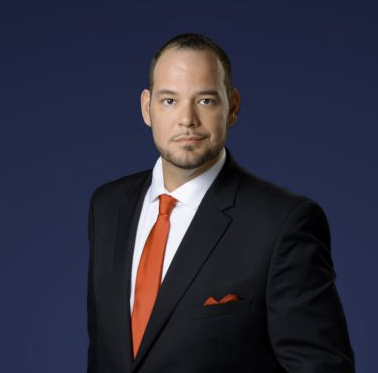

Barrett Henry is a Broker Associate at REMAX Collective with 23+ years of Florida real estate experience helping homeowners throughout all 67 Florida counties navigate foreclosure, short sales, and pre-foreclosure sales. He provides direct service to Tampa Bay homeowners and referral connections statewide. One of the most common questions Barrett gets from homeowners in financial distress is: "Do I need a lawyer, or can a housing counselor help me?" The answer depends on exactly where you are in the foreclosure process.
Florida homeowners facing foreclosure have two primary professional resources: HUD-approved housing counselors and foreclosure defense attorneys. These are distinct services that address different aspects of your situation. Choosing the right one -- or knowing when you need both -- can be the difference between saving your home and losing it by default.
What Is a HUD-Approved Housing Counselor?
HUD-approved housing counselors are trained professionals certified by the U.S. Department of Housing and Urban Development to provide housing counseling services. In the context of foreclosure, they specialize in loss mitigation -- helping homeowners understand and apply for programs that avoid foreclosure such as loan modifications, forbearance, repayment plans, and pre-foreclosure sales.
Their services are free of charge. Congress and HUD fund housing counseling agencies to provide this service as a public benefit. You should never pay for HUD counseling. If an organization claiming to be HUD-approved asks for a fee, contact HUD directly to verify their status.
To find a HUD-approved counselor: call 1-800-569-4287 or visit hud.gov/counselors. In the Tampa Bay area, Bay Area Legal Services is a HUD-approved agency. Florida Legal Services operates statewide. These agencies can help you navigate the loss mitigation process as described on the HUD counseling page.
What HUD Counselors Can and Cannot Do
HUD counselors can:
- Review your financial situation and identify which loss mitigation programs you may qualify for
- Help you gather and organize the documents needed for a loan modification application
- Contact your servicer on your behalf and advocate for loss mitigation review
- Explain CFPB Regulation X requirements that servicers must follow before foreclosing (12 C.F.R. 1024.41)
- Help you understand your options including loan modification, forbearance, short sale, and deed in lieu
- Provide budget counseling to address the underlying financial problems
HUD counselors cannot:
- Give legal advice or tell you what rights you have under Florida law
- File a legal answer to a foreclosure complaint
- Appear in court on your behalf
- Represent you in mediation in a formal legal capacity
- Challenge the lender's right to foreclose (standing, fraud, or procedural defenses)
- Negotiate terms on legal documents such as settlement agreements
What Is a Foreclosure Defense Attorney?
A foreclosure defense attorney is a licensed Florida lawyer who represents homeowners in the judicial foreclosure process. Since Florida requires all foreclosures to go through the court system (as described on the Florida foreclosure process page), the litigation phase creates specific legal rights and deadlines that only an attorney can fully protect.
The foreclosure complaint is a lawsuit. You are being sued. Like any lawsuit, you have the right to respond and raise defenses. The 20-day response deadline after service is the same as in any civil litigation. If you do not respond in time, the lender wins by default -- no trial, no hearing, no chance to present your situation.
Understanding the Florida foreclosure timeline helps you see how quickly these legal deadlines approach.
When You Need a Foreclosure Defense Attorney
You Have Been Served With a Foreclosure Complaint
If you have received a summons and complaint, the clock is running. You have 20 days from the date of service to file a formal answer or risk a default judgment. An attorney is the only one who can file that answer for you (unless you represent yourself, which is risky in complex foreclosure litigation).
You Have Potential Legal Defenses
Florida foreclosure law allows several defenses that an attorney can evaluate:
- Lack of standing (the entity suing may not own the note)
- Improper notice or procedural violations
- RESPA violations (servicer failed to properly review loss mitigation)
- TILA violations (Truth in Lending Act disclosures)
- Predatory lending practices
- Dual tracking in violation of CFPB rules (covered at CFPB dual tracking ban)
Loan Modification Was Denied and You Want to Appeal
If your loan modification was denied and you are in active foreclosure litigation, an attorney can help you challenge the denial and ensure the servicer complied with CFPB Regulation X requirements. The post-denial options are explained on the failed modification plan page.
Bankruptcy May Be Appropriate
If you are considering bankruptcy to stop foreclosure, you need a bankruptcy attorney. Chapter 13 can stop the foreclosure through an automatic stay and allow you to cure arrears over a 3 to 5 year plan, while Chapter 7 can discharge deficiency obligations. This requires legal representation to be done properly.
When a HUD Counselor Is the Right First Step
A HUD counselor is often the right starting point when:
- You are 30 to 90 days behind but have not yet been served with a lawsuit
- Your hardship is temporary and you believe you can afford the home with modified terms
- You want help organizing your financial documents and completing a loan modification packet
- You are exploring a short sale and want free guidance on the process
- You need budget counseling to address the underlying cause of delinquency
- You are confused about your options and need a neutral professional to explain them
The behind on mortgage payments Florida options page walks through the early-stage decision tree in detail. The earlier you seek help, the more options you have.
Using Both: The Parallel Strategy
Many Florida homeowners in active foreclosure litigation benefit from using both a HUD counselor and an attorney simultaneously. The attorney handles the litigation -- filing answers, contesting the foreclosure, appearing at hearings. The HUD counselor handles the loss mitigation side -- helping you apply for a loan modification or planning a short sale.
CFPB Regulation X's dual-tracking rules (12 C.F.R. 1024.41) require servicers to pause foreclosure proceedings while a complete loss mitigation application is under review. Your attorney can enforce this requirement in court while your HUD counselor helps you complete the application. This is a powerful combination that uses both the litigation and administrative processes to your advantage.
Florida Legal Aid Organizations
If you cannot afford a private foreclosure defense attorney, Florida has several legal aid organizations that provide free legal representation to qualifying low-income homeowners:
- Bay Area Legal Services (BALS): Serves Hillsborough, Pinellas, Pasco, Hernando, and Polk counties -- covers the Tampa Bay area directly
- Florida Legal Services (FLS): Statewide advocacy and direct representation
- Three Rivers Legal Services: Serves north and north-central Florida
- Community Legal Services of Mid-Florida (CLS): Serves central Florida including Orange and surrounding counties
- Legal Aid Society of Palm Beach County: Serves Palm Beach area
These organizations have income eligibility requirements, but their services are genuinely free when you qualify. Contact the resources page for more information on legal aid and HUD counseling contacts throughout Florida.
The Hardship Letter and Both Paths
Whether you are working with a HUD counselor on a loan modification or an attorney on a short sale, you will likely need to write a hardship letter. The hardship letter template provides guidance on what to include and how to present your situation effectively without overstating or understating your hardship.
Acting Before the Lis Pendens
One of the most important windows for action is before the lender files the foreclosure lawsuit and records a lis pendens. As explained on the lis pendens guide, the recording of the lis pendens signals that formal foreclosure litigation has begun. At that point, an attorney becomes more critical. Before lis pendens, a HUD counselor may be able to navigate a loan modification or forbearance that prevents the lawsuit from being filed at all.
The stop foreclosure Florida page summarizes all the tools available to Florida homeowners to halt or avoid foreclosure. The foreclosure checklist can help you identify which tools apply to your specific situation.
Not sure whether you need a HUD counselor, an attorney, or both? Contact Barrett Henry for a free consultation. He will help you assess your situation and connect you with the right professional resources anywhere in Florida.