
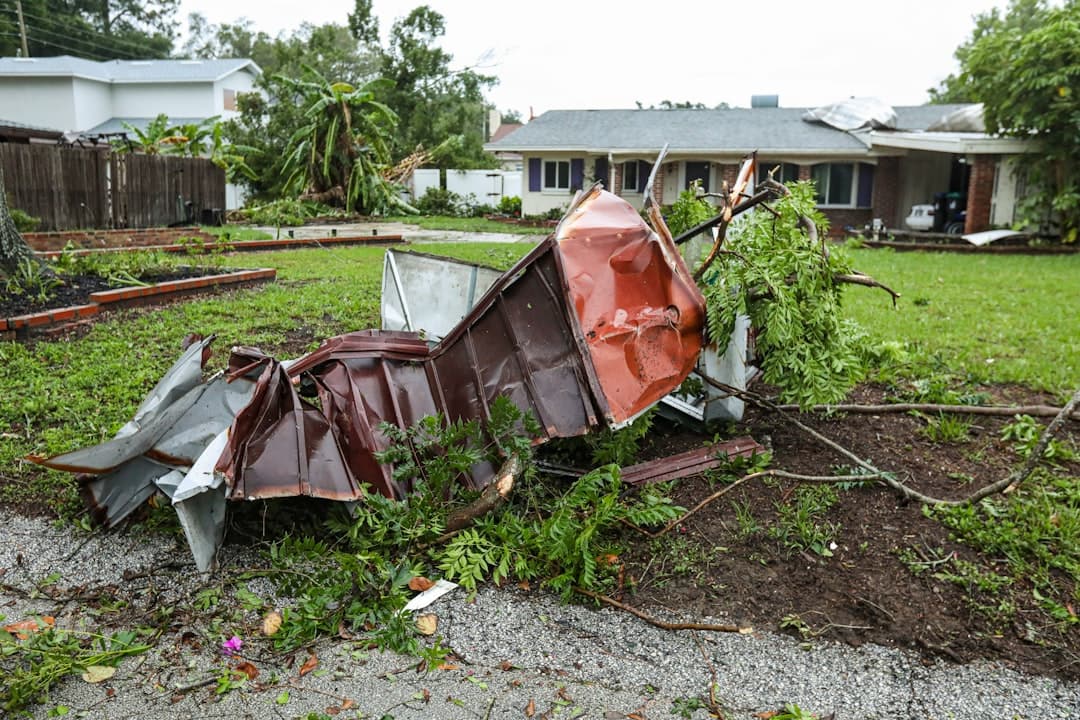
Florida's insurance crisis is directly pushing homeowners into foreclosure. When your homeowners insurance premium doubles or triples — or your policy is canceled entirely — the cascade of financial consequences can make your mortgage unaffordable. Force-placed insurance, escrow shortages, and payment shock are driving a growing wave of defaults across the state.
If your insurance costs have skyrocketed and you are struggling to keep up with your mortgage, you are not alone. This is not a personal financial failure — it is a systemic crisis affecting hundreds of thousands of Florida homeowners. Here is what is happening, why it is happening, and what you can do about it.
Why Have Florida Insurance Premiums Doubled and Tripled?
Florida's insurance market has been destabilized by a combination of factors that have driven premiums to the highest in the nation — averaging over $4,000 per year statewide, with many homeowners paying $6,000 to $12,000 or more.
The key drivers:
- Reinsurance costs. Insurance companies buy their own insurance (reinsurance) to cover catastrophic losses. Global reinsurance costs have surged due to increased hurricane activity, climate-related losses worldwide, and reduced capacity in the reinsurance market. Those costs are passed directly to policyholders.
- Carrier exits. Multiple insurance companies have left the Florida market or gone insolvent, reducing competition. When carriers leave, remaining companies have less incentive to keep premiums competitive.
- Litigation costs. Florida has historically accounted for a disproportionate share of homeowners insurance lawsuits nationwide. While recent legislative reforms (SB 2-A in 2022 and HB 837 in 2023) have begun addressing litigation abuse, the cost of past litigation is still baked into premiums.
- Roof claim costs. Full roof replacement claims driven by solicitation from roofing contractors and public adjusters have cost insurers billions. Recent reforms require policyholders to have roof inspections and may limit full replacement coverage on older roofs.
- Citizens Property Insurance strain.As private insurers leave, Citizens — Florida's state-backed insurer of last resort — has grown to over 1.2 million policies, creating significant financial exposure for the state.
What Is Force-Placed Insurance and How Does It Lead to Foreclosure?
When your homeowners insurance policy lapses or is canceled and you do not replace it, your mortgage servicer will purchase force-placed insurance (also called lender-placed insurance) on your behalf. This is required by your mortgage contract, and the servicer will do it automatically.
Force-placed insurance is dramatically more expensive than standard coverage — typically $5,000 to $15,000+ per year, compared to $2,000 to $4,000 for a regular policy. And it provides less coverage: it only protects the lender's interest in the structure, not your personal belongings, liability, or additional living expenses.
Here is how force-placed insurance triggers a foreclosure spiral:
- Your insurance policy is canceled (non-renewal, non-payment, or carrier exit)
- Your servicer purchases force-placed insurance at 3 to 10 times the normal premium
- The force-placed premium is added to your escrow account
- Your monthly mortgage payment increases by $300 to $1,000+ to cover the escrow shortage
- You cannot afford the new payment and fall behind
- After 120 days of missed payments, the lender begins the foreclosure process
What Is an Escrow Shortage and What Can You Do About It?
Your mortgage servicer reviews your escrow account annually to ensure it has enough funds to cover insurance and property taxes. When insurance premiums spike, the escrow analysis reveals a shortage — the difference between what is in the account and what is needed.
Your servicer will send an escrow analysis letter with two options:
- Lump-sum payment. Pay the full shortage amount immediately to avoid a monthly payment increase.
- Spread payment. The shortage is divided over 12 months and added to your regular payment. Federal law allows servicers to spread the shortage over at least 12 months.
If a $3,000 insurance increase creates a $3,000 escrow shortage, your monthly payment would increase by $250 under the spread option. For homeowners already stretched thin, this increase can be the tipping point.
Barrett Henry, a REALTOR with 23+ years of real estate experience and Broker Associate at REMAX Collective, has seen insurance-driven escrow shortages become one of the leading causes of mortgage default in Florida. The good news is that there are options.
What Options Do You Have to Lower Insurance Costs?
If your insurance costs are threatening your ability to pay your mortgage, take action immediately — before you miss a payment. Here are your options:
- Shop multiple carriers. Work with an independent insurance agent who represents multiple companies. Rates vary dramatically between carriers for the same property. Get at least 5 quotes.
- Raise your deductible. Increasing your hurricane deductible from 2% to 5% or even 10% of the insured value can reduce your annual premium by 20% to 40%. Make sure you can afford the higher out-of-pocket cost in the event of a claim.
- Get a wind mitigation inspection. A 4-point inspection and wind mitigation report costs $75 to $150 and can result in premium reductions of 20% to 45%. The inspector evaluates your roof, electrical, plumbing, and HVAC systems plus hurricane-resistant features.
- Install hurricane protections. Impact windows, hurricane shutters, and roof straps all qualify for insurance discounts. Some improvements may be covered by the My Safe Florida Home program, which provides matching grants for wind mitigation improvements.
- Apply to Citizens Property Insurance.If no private insurer will write your policy at an affordable rate, Citizens is the state-backed insurer of last resort. You must show that you have been denied by at least one private carrier or that private quotes exceed Citizens' rate.
- Consider a higher-deductible policy.A "named storm" deductible of 5% to 10% significantly reduces premiums, though it means higher out-of-pocket costs if a hurricane hits.
What If You Already Cannot Afford Your Mortgage Because of Insurance?
If insurance costs have already pushed you behind on payments, you are not out of options. Act quickly:
- Contact your servicer's loss mitigation department. Negotiate with your lender — explain that the insurance increase caused your hardship. They may offer a loan modification that accounts for the higher escrow costs.
- Apply for a loan modification. A modification can lower your interest rate, extend your term, or add missed payments to the end of the loan — all of which reduce your monthly payment.
- Contact a HUD-certified housing counselor. Free counseling is available at 800-569-4287 or hud.gov/counseling. They can help you navigate loss mitigation and find insurance alternatives.
- Explore state assistance programs.Florida's Hardest Hit Fund and other state programs may provide temporary assistance for homeowners in insurance-related hardship situations.
- Consider selling. If the math no longer works — if insurance plus mortgage plus taxes exceeds what you can afford — selling the home while you still have equity may be the smartest financial decision. A sale during foreclosure is possible and preserves your equity.
How Does the Insurance Crisis Affect Florida Home Values?
The insurance crisis does not just affect your monthly payment — it affects your home's value. When insurance costs $8,000 to $12,000 per year, prospective buyers factor that into what they can afford to pay. Higher carrying costs mean buyers can afford lower purchase prices, which puts downward pressure on home values in the hardest-hit areas.
Coastal properties, older homes with dated roofs, and properties in high flood-risk zones are most affected. Some homeowners are finding themselves underwater not because the housing market crashed, but because insurance costs have effectively reduced what buyers are willing to pay.
What Happens If You Cannot Get Insurance at All?
In extreme cases, some Florida homeowners cannot find any willing insurer in the private market. If this happens:
- Citizens Property Insurance must cover you. As the insurer of last resort, Citizens cannot deny coverage to eligible Florida homeowners. Contact Citizens directly or through an insurance agent.
- Surplus lines carriers. Non-admitted insurers (surplus lines) may write policies that admitted carriers will not. Premiums are higher, but the coverage keeps you compliant with your mortgage requirements.
- Self-insurance. If you own your home outright (no mortgage), you can technically go without insurance. However, this is extremely risky in Florida given hurricane exposure. If you have a mortgage, insurance is required by your loan agreement.
Related Resources for Florida Homeowners Affected by the Insurance Crisis
These guides address the intersection of Florida's insurance market collapse and mortgage foreclosure risk:
- Force-Placed Insurance and Florida Foreclosure -- what happens when your lender force-places coverage and how to fight back
- Florida Flood Insurance and Mortgage Risk -- NFIP lapses and how flood insurance gaps can trigger lender action
- Loan Modification in Florida -- restructure your loan if rising insurance costs have made payments unaffordable
- Florida Foreclosure Timeline 2026 -- understand the stages from lender notice through auction
- Chapter 13 Bankruptcy to Stop Foreclosure -- automatic stay halts foreclosure while you catch up on payments and insurance
- Deficiency Judgments in Florida -- one-year statute and fair market value offset protect you post-foreclosure
- HUD-Approved Housing Counseling in Florida -- free counseling on options when insurance costs push your budget past breaking
- Buying a Home After Foreclosure in Florida -- FHA, VA, and conventional waiting periods after a completed foreclosure
If Florida's insurance crisis is pushing you toward foreclosure, contact us for a free consultation. We will evaluate your situation, explore all options, and help you make the best decision for your family -- whether that is stopping the foreclosure, negotiating with your lender, or selling while you still have equity.
