
Falling behind on your mortgage is stressful at any age, but it hits differently when you are retired or living on a fixed income. Social Security and pension checks do not stretch the way they used to, and unexpected costs — medical bills, insurance increases, property tax hikes — can turn a manageable budget into one that no longer covers the mortgage. If that describes your situation, you are not alone, and you have more options than you may realize.
This guide walks through the programs, protections, and practical steps available to Florida seniors and fixed-income homeowners facing foreclosure. Everything here is free to pursue, and the first step is understanding what kind of loan you have and who actually owns it.
Why Your Loan Servicer and Investor Matter
Most homeowners send their payment to a servicer — a company like Mr. Cooper, Nationstar, or NewRez. But the servicer is not the one who owns your loan. The investor behind the loan sets the rules for what kind of help is available.
The three most common investor categories in Florida are:
- Fannie Mae or Freddie Mac. These government-sponsored enterprises back most conventional loans. If your loan is owned by Fannie or Freddie, you may qualify for the Flex Modification program, which can reduce your monthly payment by up to 20 percent through rate reduction, term extension, or partial principal forbearance.
- FHA (Federal Housing Administration). FHA-insured loans have their own set of loss mitigation tools, including partial claims, standalone partial claims, and the FHA Payment Supplement program. These programs are specifically designed to help borrowers who have recovered from a hardship but cannot afford the full reinstatement amount.
- Private or portfolio investors. If a private entity or the originating bank holds your loan, modification terms vary widely. Some are flexible; others are not. A HUD counselor can help you understand what the investor allows.
You can look up whether Fannie Mae or Freddie Mac owns your loan for free at fanniemae.com/loanlookup or freddiemac.com/mymortgage. If neither shows a match, your servicer can tell you who the investor is.
Free HUD-Approved Counseling: Your First Call
HUD-approved housing counselors provide free foreclosure prevention counseling to every homeowner in Florida, regardless of age or income. They will review your budget, identify your loan investor, explain which programs you qualify for, and help you submit a loss mitigation application to your servicer. This service is paid for by federal grants — you will never be asked to pay.
To find a counselor near you, call 1-800-569-4287 or visit our guide comparing HUD counselors and foreclosure attorneys to understand which professional fits your situation. Many counselors offer phone and video appointments, so mobility or transportation limitations are not barriers.
Mortgage Assistance Programs for Fixed-Income Borrowers
Beyond standard loan modifications, several programs are particularly relevant for seniors and fixed-income homeowners:
- Forbearance agreements. A temporary pause or reduction in payments that gives you time to stabilize your finances. Forbearance does not erase what you owe, but it stops the servicer from advancing the foreclosure while the agreement is active.
- Loan modification. A permanent change to your loan terms — lower interest rate, extended repayment period, or both — designed to bring your payment to an affordable level. Learn more on our loan modification guide.
- Partial claim (FHA loans only). HUD places the past-due amount into a separate, interest-free lien that is not due until you sell, refinance, or pay off the mortgage. This brings your loan current without increasing your monthly payment.
- Property tax exemptions. Florida offers a homestead exemption, an additional senior exemption (for homeowners 65+ with household income below a set threshold), and other county-level programs that can meaningfully lower your annual property tax bill, freeing up money for the mortgage.
If your loan modification application has been denied, do not assume the door is closed. Denials can often be appealed, especially if the servicer made a calculation error or failed to consider all income sources.
Avoiding Equity-Stripping Scams That Target Seniors
Seniors with home equity are a prime target for foreclosure rescue scams. Scammers monitor public foreclosure filings and contact homeowners directly with offers that sound helpful but are designed to steal your equity. Common schemes include:
- Deed transfer scams.Someone offers to "save your home" by having you sign the deed over to them. They promise you can stay as a renter and buy the home back later. Instead, they pocket your equity and you lose all ownership rights.
- Upfront fee schemes. A company charges hundreds or thousands of dollars before doing any work, promising to negotiate with your lender. In Florida, it is illegal for a foreclosure rescue company to collect fees before services are fully performed.
- Fake counseling agencies.They use names that sound official but are not HUD-approved. Always verify a counselor through HUD's official list at hud.gov or by calling 1-800-569-4287.
A simple rule: if anyone contacts you unsolicited about your foreclosure, asks for money upfront, or pressures you to sign documents quickly, stop and verify. Call the Florida Attorney General's office at 1-866-966-7226 to report suspected fraud.
When Selling Is the Better Path
Keeping the home is not always the best financial decision, especially if ongoing costs — insurance, taxes, maintenance — exceed what a fixed income can support long-term. If you have equity in your home, a sale before the foreclosure auction lets you:
- Walk away with cash from your equity instead of losing it at auction
- Avoid a foreclosure judgment on your credit history
- Choose your own timeline and next living arrangement rather than having the court dictate it
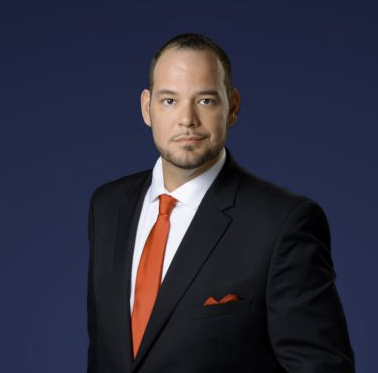
As a local real estate broker with 23+ years of experience, I (Barrett Henry, REALTOR®) help Florida homeowners in foreclosure evaluate whether selling makes financial sense. There is no pressure and no cost for the conversation. You can reach me at (813) 761-0133 or help@flforeclosurehelp.com.
Protecting Your Dignity Through the Process
Foreclosure does not define you. Many seniors facing this situation did everything right for decades — raised families, paid bills on time, built careers — and a single hardship changed the math. The programs and professionals described here exist specifically because this happens to good people.
Start with one step today: call a HUD-approved housing counselor or reach out to our team for a free consultation. The earlier you act, the more options stay on the table.
Related Guides
This is general information, not legal advice. Consult a qualified Florida attorney for guidance specific to your situation.
Free Resources
- HUD-Approved Housing Counselor: 1-800-569-4287
- FHA Resource Center: 1-800-225-5342
- HOPE Hotline: 1-888-995-4673