If you are facing foreclosure in Hillsborough County, Florida, understanding the local process can help you make better decisions. Hillsborough County is part of the 13th Judicial Circuit, one of the busiest court systems in the state. Foreclosure cases here follow Florida's judicial foreclosure process, meaning every case must go through the court system before a sale can happen.
This guide covers the specific timeline, courthouse locations, key deadlines, and options available to Hillsborough County homeowners. Whether you are just receiving your first missed-payment notice or already have a lis pendens filed against your property, this information applies to your situation.
How Does Foreclosure Work in the 13th Judicial Circuit?
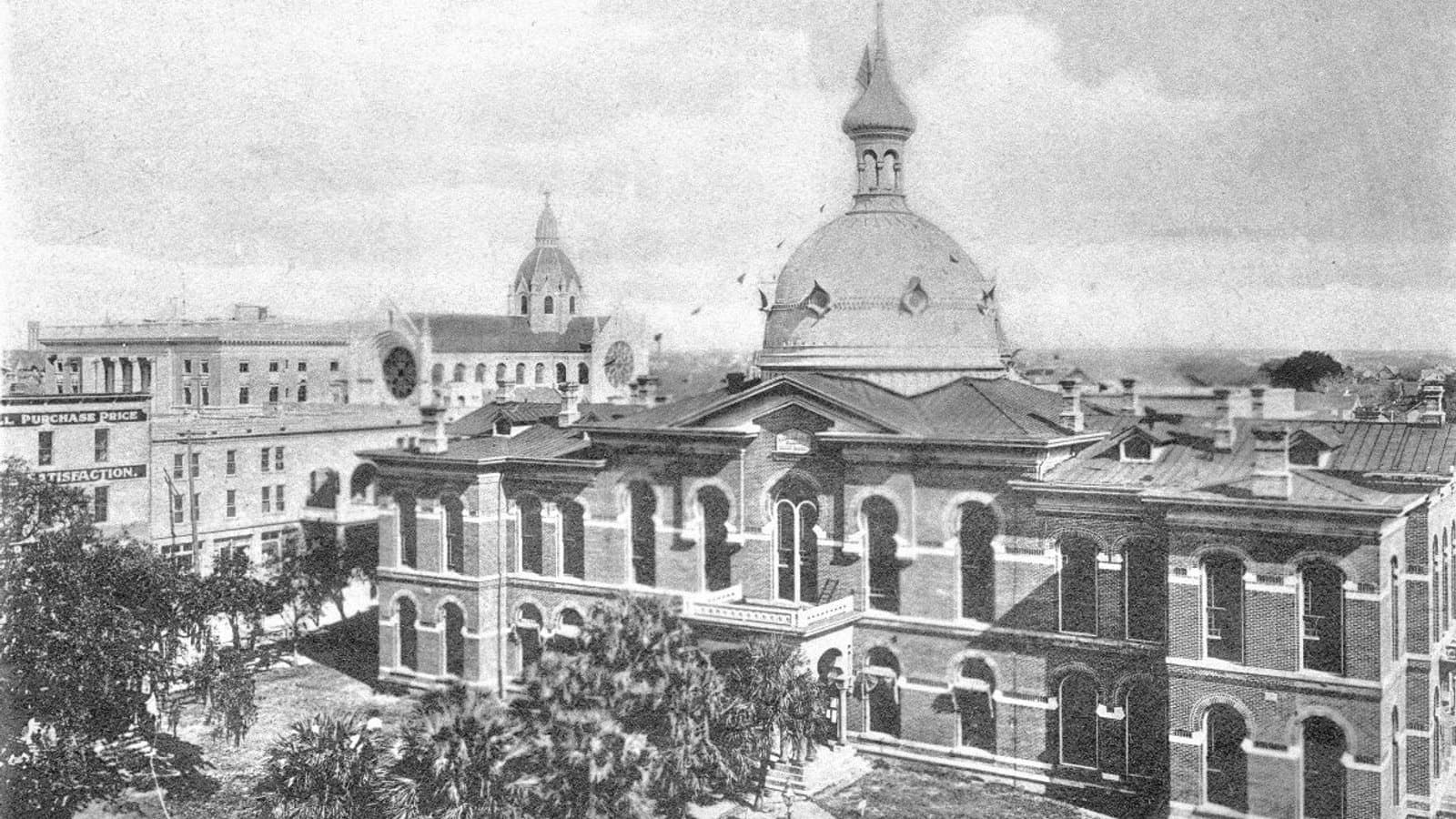
Hillsborough County sits within the 13th Judicial Circuit, which serves only Hillsborough County (unlike some circuits that serve multiple counties). All foreclosure cases are filed at the George E. Edgecomb Courthouse at 800 E Twiggs St, Tampa, FL 33602.
The Florida foreclosure process is judicial, meaning your lender must file a lawsuit, serve you with a complaint, and obtain a court order before they can sell your home. This gives you legal rights that homeowners in non-judicial foreclosure states do not have — including the right to file an answer, raise defenses, and request mediation.
In Hillsborough County, the process starts when your lender files a lis pendens (notice of pending litigation) and a foreclosure complaint with the clerk of court. You then have 20 days from the date you are served to file a written response. If you do not file an answer within that window, the lender can request a default judgment, which accelerates the timeline significantly.
What Is the Hillsborough County Foreclosure Timeline?
The typical foreclosure timeline in Hillsborough County runs 10 to 14 months from the lis pendens filing to the foreclosure sale. Here is a general breakdown of how that timeline plays out:
| Stage | Typical Timeframe |
|---|---|
| Missed payments before filing | 3-6 months |
| Lis pendens filed + complaint served | Month 1 |
| 20-day answer deadline | Month 1-2 |
| Discovery and motion practice | Months 3-8 |
| Summary judgment hearing | Months 8-12 |
| Foreclosure sale scheduled | Months 10-14 |
Contested cases — where the homeowner files an answer and raises defenses — take longer. The 13th Judicial Circuit handles a high volume of civil cases, which can cause scheduling delays for hearings and trials. Some contested foreclosures in Hillsborough County have taken two years or more to reach a final judgment.
What Are Your Options to Stop Foreclosure in Hillsborough County?
Hillsborough County homeowners have several options to stop or delay foreclosure, depending on where you are in the process and your financial situation.
File an Answer to the Complaint
You have 20 days from the date you are served with the foreclosure complaint to file a written answer. Filing an answer prevents a default judgment and forces the lender to prove their case in court. Common defenses include lack of standing, failure to provide required pre-suit notices, and errors in the loan documents.
Apply for a Loan Modification
A loan modification changes the terms of your existing mortgage to make payments more affordable. You can apply for a modification at any point during the foreclosure process. Under CFPB rules, if you submit a complete loss mitigation application more than 37 days before a scheduled sale, the lender must evaluate your application before proceeding.
Sell the Property
If you owe more than the home is worth, a short saleallows you to sell for less than the mortgage balance with the lender's approval. If you have equity, a pre-foreclosure sale lets you sell on your terms and keep any proceeds above what you owe.
File for Bankruptcy
Filing for bankruptcy triggers an automatic stay that immediately halts the foreclosure. Chapter 13 bankruptcy allows you to create a repayment plan to catch up on missed payments over 3 to 5 years while keeping your home. This option works best for homeowners who have stable income but fell behind due to a temporary hardship.
Where to Find Hillsborough County Foreclosure Records
You can search Hillsborough County foreclosure filings through the Hillsborough County Clerk of Court online portal at hillsclerk.com. The case search tool lets you look up cases by party name, case number, or attorney name. All public filings — including the complaint, lis pendens, motions, and judgments — are available online.
The Hillsborough County Property Appraiser's website (hcpafl.org) provides property tax records, assessed values, and ownership history. This can be useful for understanding your property's current value and tax status during foreclosure.
How Do Hillsborough County Foreclosure Auctions Work?
Hillsborough County conducts foreclosure auctions online through the clerk's office. After the court enters a final judgment of foreclosure, the clerk schedules the sale. The property is advertised for two consecutive weeks in a local newspaper before the auction date.
Bidders must register and submit a deposit before the auction. The opening bid is typically the amount of the final judgment (principal balance, interest, fees, and court costs). If no third-party bidder exceeds the opening bid, the property reverts to the lender as bank-owned (REO) property.
As the homeowner, you have the right of redemption up until the clerk files the certificate of sale. After that, the sale is final and you will receive a notice to vacate the property.
Free Foreclosure Resources in Hillsborough County
Several organizations provide free foreclosure assistance to Hillsborough County homeowners:
- Tampa Bay CDC — HUD-approved housing counseling agency that provides free foreclosure prevention counseling and loss mitigation assistance.
- Bay Area Legal Services — Provides free legal representation to qualifying low-income homeowners facing foreclosure in Hillsborough County.
- GreenPath Financial Wellness — Nonprofit offering free budget counseling and foreclosure intervention services.
- HUD Housing Counselors — The U.S. Department of Housing and Urban Development maintains a directory of approved counseling agencies serving Hillsborough County.
What Happens After the Hillsborough County Foreclosure Sale?
Many homeowners focus only on stopping the foreclosure and do not think about what happens afterward. There are two important financial outcomes you should know about.
Surplus Funds
If your home sells at the Hillsborough County auction for more than the amount of the final judgment, the excess is called a surplus. That money belongs to you as the former homeowner -- not the lender. You must file a claim with the Hillsborough County Clerk of Court to collect surplus funds, and there is a deadline. See our guide on how to claim Florida foreclosure surplus funds for the process.
Deficiency Judgments
If the home sells for less than you owe, the lender has one year from the Certificate of Title date to file a separate lawsuit seeking a deficiency judgment in Hillsborough County. Florida law caps the amount at the difference between the judgment and the property's fair market value -- not the auction price. Understanding this protection matters if you are concerned about post-foreclosure debt. See our complete guide on Florida deficiency judgment protection for details.
Additional Options Worth Knowing About
Beyond the main options covered above, Hillsborough County homeowners should be aware of several other tools and resources:
- Mortgage reinstatement: Reinstating your loan by paying all overdue amounts in a lump sum stops the foreclosure and restores your original loan terms. You can reinstate at any time before the final judgment in Florida.
- Deed in lieu of foreclosure: Transferring ownership directly to the lender through a deed in lieu avoids the auction and can be structured with a deficiency waiver and relocation assistance.
- Lis pendens: If you received a lis pendens notice in Hillsborough County, act immediately -- this is the formal start of the foreclosure lawsuit, and your 20-day answer deadline runs from the date you are served with the complaint.
- Statute of limitations defense: If a prior foreclosure case was dismissed and the lender refiled, the Florida statute of limitations on foreclosure actions may be a viable defense in your case.
- Credit impact: Understanding the credit impact of foreclosure versus alternatives like short sale or deed in lieu can help you make an informed decision about your next steps.
- Chapter 13 bankruptcy: Chapter 13 bankruptcy to stop foreclosure is one of the most powerful tools available if you have steady income and want to keep your home. The automatic stay halts foreclosure the moment you file.
Related Resources for Hillsborough County Homeowners
These guides address foreclosure topics that commonly affect 13th Judicial Circuit homeowners in Tampa, Brandon, and the surrounding Tampa Bay area:
- Behind on Mortgage in Tampa, FL -- specific options for Tampa homeowners in the early stages of default
- Behind on Mortgage in Brandon, FL -- options for Brandon homeowners falling behind on payments
- Pinellas County Foreclosure Guide -- neighboring 6th Circuit county across the bay with St. Petersburg and Clearwater
- Pasco County Foreclosure Guide -- neighboring 6th Circuit county north of Hillsborough with New Port Richey and Wesley Chapel
- How to Claim Florida Foreclosure Surplus Funds -- file a claim with the Hillsborough County Clerk within 60 days of the auction
- Deficiency Judgments in Florida -- one-year filing window and fair market value cap that limits your exposure
- Short Sale in Florida -- sell for less than you owe with lender approval and walk away with your debt forgiven
- Buying a Home After Foreclosure in Florida -- FHA, VA, and conventional waiting periods after a completed foreclosure
Why the 13th Judicial Circuit Matters for Your Case
Barrett Henry, a REALTOR with 23+ years of real estate experience and Broker Associate at REMAX Collective, has worked with homeowners throughout Hillsborough County's foreclosure process. The 13th Judicial Circuit has its own administrative orders, case management procedures, and mediation requirements that affect how your case moves through the system.
The circuit's managed mediation program gives homeowners the opportunity to negotiate directly with their lender in a structured setting. Mediation can result in a loan modification, repayment agreement, short sale approval, or other resolution that avoids the foreclosure sale. Not every case qualifies for mediation, but the Florida foreclosure mediation program is available to Hillsborough County homeowners who meet the requirements.
Understanding these local procedures gives you an advantage when dealing with your lender. The more you know about how the 13th Judicial Circuit handles foreclosure cases, the better positioned you are to protect your rights and explore every option available to you.
Facing foreclosure in Hillsborough County? Contact us today for a free consultation. We will review your situation and help you understand your options — no cost, no obligation.