
Hillsborough County is home to Tampa, Brandon, Valrico, Riverview, Plant City, and dozens of other communities. If you have fallen behind on your mortgage — or you can see that you are about to — a loan modification may allow you to stay in your home by making your payment permanently more affordable.
This guide explains exactly how to pursue a loan modification in Hillsborough County: what qualifies you, what documents you need, the types of modifications available, the timeline, local resources, and how Barrett Henry helps homeowners navigate the process from start to finish.
What Is a Loan Modification?
A loan modification is a permanent change to the terms of your existing mortgage. Unlike a refinance — which replaces your old loan with a new one — a modification keeps your current loan in place but changes one or more of its terms to lower your monthly payment.
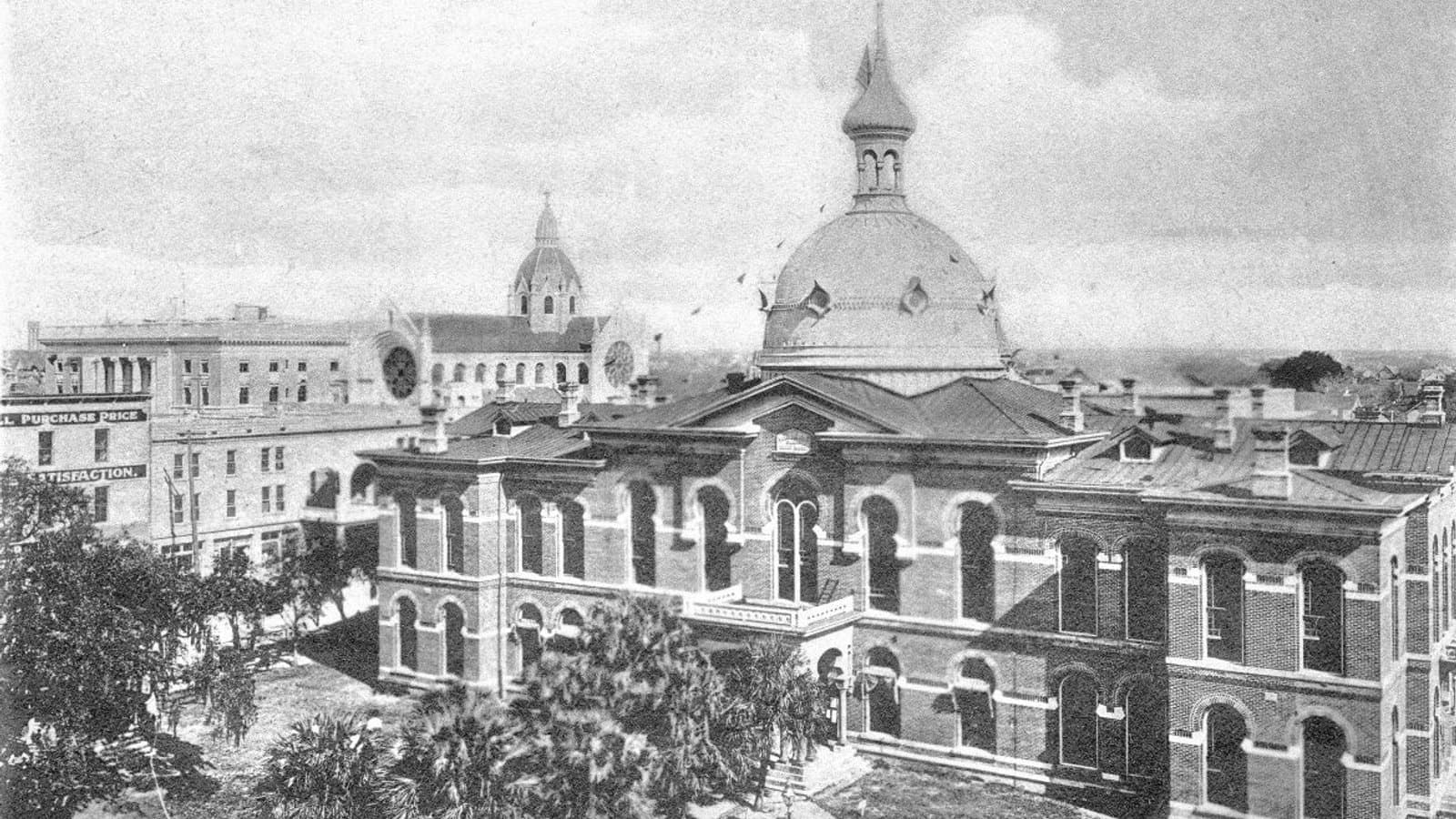
Modifications are processed through your lender's loss mitigation department. In Hillsborough County, foreclosure cases are filed at the George E. Edgecomb Courthouse, 800 E Twiggs St, Tampa, FL 33602, but loan modifications happen outside of court — directly between you and your lender or loan servicer.
A successful modification can reduce your interest rate, extend your loan term, or defer a portion of your balance. Any of these changes can meaningfully reduce your monthly payment and allow you to stay in your home.
Do You Qualify? The Basic Requirements
Most lenders evaluate loan modification eligibility using a three-part framework. You need to show:
- A documented financial hardship. Job loss, reduction in income, divorce, death of a co-borrower, major medical expense, or another event that changed your financial situation. Lenders want to see that the hardship is real, documented, and explains why you cannot make your current payment.
- That your current payment is unaffordable. Most modification programs aim to bring your housing payment to approximately 31% of your gross monthly income. If your current payment already falls within that range without modification, lenders may conclude you can afford to continue paying.
- That a modified payment would be sustainable. Lenders want confidence that you will actually be able to make the new modified payment long-term. They will verify income and expenses to confirm a modification makes sense.
Under Florida Statute § 702.015, lenders must certify in any foreclosure complaint that they are the holder of the original promissory note. Before pursuing modification, it is worth confirming who actually owns and services your loan — the company you send payments to may not be the company with authority to modify.
Documents You Need to Apply
Submitting a complete application is critical. An incomplete packet can result in delays, denials, or allow the lender to continue the foreclosure. Gather these documents before you contact your servicer:
- Hardship letter — A written explanation of what changed in your financial situation and why you are requesting modification. Keep it factual and concise.
- Last two months of pay stubs (or profit/loss statements if self-employed for the last two years)
- Last two years of federal tax returns with all schedules
- Last two months of bank statements — all pages, all accounts
- Monthly expense worksheet — most lenders provide their own form
- Most recent mortgage statement
- Most recent property tax bill
- Proof of homeowners insurance
- Government-issued photo ID
If you have rental income, Social Security, disability, or child support — include documentation for those as well. Every income source helps build the picture that you can sustain a modified payment.
Types of Loan Modifications Available
There is no single type of loan modification. What you are offered depends on your lender, your loan type (conventional, FHA, VA, USDA), the investor who owns your loan, and your specific financial situation.
Interest Rate Reduction
Your lender reduces your interest rate to lower the monthly payment. This is the most common type of modification and can produce a significant payment reduction if your current rate is high or if market rates have declined since your loan originated.
Term Extension
Your remaining loan term is extended — often to 40 years from the date of modification — which reduces each individual payment by spreading the balance over more years. You will pay more total interest over the life of the loan, but the immediate monthly relief can make the difference between keeping your home or losing it.
Principal Forbearance (Deferral)
A portion of your principal balance is moved to the end of the loan as a non-interest-bearing balloon payment. This reduces your active principal, which lowers your payment. The deferred amount is due when you sell, refinance, or pay off the loan. This is common in government-backed loan programs.
Principal Reduction
In limited cases — particularly for FHA loans or after specific investor approval — a portion of your principal balance may be permanently forgiven. This is less common than the other modification types but does occur.
Combination Modifications
Many modifications use a combination of the above — for example, a rate reduction plus a term extension — to hit the target payment-to-income ratio that makes the modification acceptable to the lender's investor.
The Loan Modification Timeline in Hillsborough County
Understanding the timeline helps you act before foreclosure deadlines pass.
| Stage | Typical Timeframe |
|---|---|
| Gather documents and submit application | 1–2 weeks |
| Servicer acknowledges receipt and reviews for completeness | 5 business days |
| Servicer requests any missing documents | Within 30 days of receipt |
| Underwriting review of complete application | 30–90 days |
| Approval or denial letter issued | Within the 90-day window |
| Trial modification period (if approved) | 3–4 months |
| Permanent modification documents signed | After successful trial period |
Under the federal CFPB's Regulation X (12 CFR 1024.41), servicers are prohibited from dual-tracking — meaning they cannot schedule a foreclosure sale while a complete loss mitigation application is under review. If you submit a complete application more than 37 days before a scheduled sale date, the sale must be postponed until your application is resolved.
Local Programs and Resources for Hillsborough County Homeowners
Several local and state programs can assist Hillsborough County homeowners pursuing loan modification or other alternatives to foreclosure:
- Tampa Bay CDC (Community Development Corporation) — Free HUD-approved housing counseling. Counselors can help you prepare your modification application, communicate with your servicer, and understand your options. Contact Tampa Bay CDC at (813) 234-1947.
- Bay Area Legal Services — Free foreclosure legal assistance for qualifying homeowners, including help responding to foreclosure complaints and negotiating with lenders. Contact at (888) 912-6097.
- Florida Housing Finance Corporation — Administers the Homeowner Assistance Fund (HAF) for qualifying homeowners. Contact the Florida Housing HAF program at (833) 987-8997.
- HUD-Approved Counselors — Free loss mitigation help and modification application assistance. Search HUD's national database at hud.gov/findacounselor.
- Hillsborough County Clerk of Court — View your foreclosure case status online at hillsclerk.com.
How Barrett Henry Helps Hillsborough County Homeowners
Barrett Henry is a Broker Associate at REMAX Collective with 23+ years of real estate experience and deep roots in the Hillsborough County market — covering Tampa, Brandon, Valrico, Riverview, and surrounding communities. Barrett works directly with homeowners facing mortgage hardship to help them understand all of their options.
Loan modification is one piece of a larger set of options that may include a pre-foreclosure sale, a short sale, or navigating the Florida foreclosure process with an attorney. Barrett can help you understand the real estate side — including your home's current market value, whether selling makes more sense than modifying, and what your timeline looks like — so you make an informed decision, not a panicked one.
Barrett does not charge homeowners for consultations. There is no cost to have a conversation about your situation.
Call or text Barrett Henry at (813) 761-0133 or submit your information online to get started.
What Happens If Modification Is Not the Right Option?
Not every homeowner qualifies for a loan modification, and not every modification approval solves the problem long-term. If modification is denied or the modified payment is still unaffordable, other options include:
- Repayment plan — Catch up on arrears over 6 to 12 months while continuing regular payments. Best for short-term hardship that has resolved.
- Forbearance — Temporary pause or reduction of payments with a plan to repay later. See our guide on forbearance vs. loan modification in Florida for a full comparison.
- Pre-foreclosure sale — If you have equity, selling before the foreclosure auction lets you pay off the mortgage and walk away without a foreclosure on your record.
- Short sale — If you owe more than your home is worth, a short sale with lender approval resolves the debt with far less credit damage than a completed foreclosure.
- Deed in lieu of foreclosure — Voluntarily transfer the property to the lender in exchange for release of the debt obligation. Avoids the foreclosure lawsuit and sale process.
- Chapter 13 bankruptcy — Stops foreclosure immediately through the automatic stay and allows you to catch up on arrears over 3 to 5 years.
The right option depends on your specific situation — how far behind you are, your home's market value, your income, and your long-term housing goals. Barrett can help you work through all of it.
