Florida posted the worst foreclosure rate in the nation in the first half of 2026. According to ATTOM Data Solutions' Mid-Year 2026 Foreclosure Market Report, 27,494 Florida properties received a foreclosure filing during those six months — representing 0.27% of all housing units, or roughly one in every 373 homes. That is a 33% increase from the same period in 2025, and it puts Florida at the top of every state in the country.
Pinellas County — home to St. Petersburg, Clearwater, Largo, Dunedin, Tarpon Springs, and more than a million residents — is tracking that statewide surge. The same forces driving defaults across the Tampa Bay area are bearing down on Pinellas homeowners: soaring insurance premiums, higher property tax bills flowing through escrow accounts, and the end of pandemic-era financial cushions. If you are behind on your mortgage or worried you soon will be, this is not the moment to wait and see what happens next. Florida's judicial foreclosure process gives most homeowners real time to act — but that window is not unlimited, and it is getting shorter.
What Is Driving Foreclosures in Pinellas County?
Understanding the causes of mortgage distress in Pinellas helps you anticipate what your servicer will ask and which programs may apply to your situation.
The Insurance Cost Crisis
No force has pushed more Pinellas County homeowners toward delinquency in 2026 than homeowners insurance. Pinellas is one of the most densely populated coastal counties in the Southeast, and proximity to water means heightened hurricane and flood exposure — which insurers have priced in aggressively. Many Pinellas homeowners, particularly those near the barrier islands, coastal neighborhoods in St. Petersburg, and beachside communities in Clearwater, have seen annual premiums jump 60% to more than 100% over the past three years.
For homeowners with a mortgage, insurance is not optional — the lender requires it. When a policy renewal arrives with a dramatically higher premium, some homeowners face an impossible choice between keeping their insurance current and keeping their mortgage current. What happens when your Florida homeowners insurance is canceled while you're behind on your mortgage is a situation more Pinellas County homeowners are navigating than at any point in the past decade.
Escrow Shortfalls and Rising Property Taxes
Pinellas County property values appreciated sharply during 2020–2022, and tax assessments have been catching up. When an annual escrow analysis reveals a shortfall, your lender spreads the deficiency across your upcoming payments — often adding $200 to $500 per month to a mortgage bill that was already stretched. Florida escrow shortfalls and foreclosure risk have become one of the most underappreciated triggers for mortgage delinquency in 2026. Homeowners who purchased near the peak of the market with a minimal equity cushion are especially exposed when escrow adjustments arrive unannounced.
Condo Assessments and Rising HOA Fees
Pinellas County has one of the highest concentrations of condominium communities in Florida, particularly in the St. Petersburg, Clearwater Beach, and Treasure Island corridors. Florida's post-Surfside building safety laws require older structures to complete milestone inspections and fund structural reserves — requirements that have triggered significant HOA fee increases and, in some communities, five-figure special assessments. When those costs compound on top of higher insurance and tax bills, condo owners facing milestone inspection costs and foreclosure risk are confronting a uniquely difficult financial situation.
The End of Pandemic-Era Safety Nets
The federal Homeowner Assistance Fund (HAF) — which helped thousands of Florida homeowners catch up on missed mortgage payments, property taxes, and insurance premiums — closed to new applicants on September 30, 2026. For homeowners who missed that window or who exited forbearance after 2022 and have struggled to sustain a repayment plan, that cushion is gone. Knowing where you are in the Florida foreclosure timeline is now more important than ever.
Your Options If You Are Behind on Your Mortgage
Florida's judicial foreclosure process averages 563 days from first missed payment to completed auction, according to ATTOM Q2 2026 data — but that timeline is getting shorter as courts clear their backlogs. Use the time you have, do not assume it is unlimited. Here is what is available at each stage:
Early Stage: You Have Missed 1–3 Payments
This is when your options are broadest and your leverage with the servicer is greatest. Federal law requires servicers to make live contact with you by day 36 of delinquency and to inform you of available assistance programs. Call proactively before they call you. Ask specifically about mortgage forbearance and loan modification programs. A HUD-approved housing counselor can review your specific loan and servicer and help you decide which path makes the most sense — all at no cost.
Lawsuit Filed: The Lis Pendens Stage
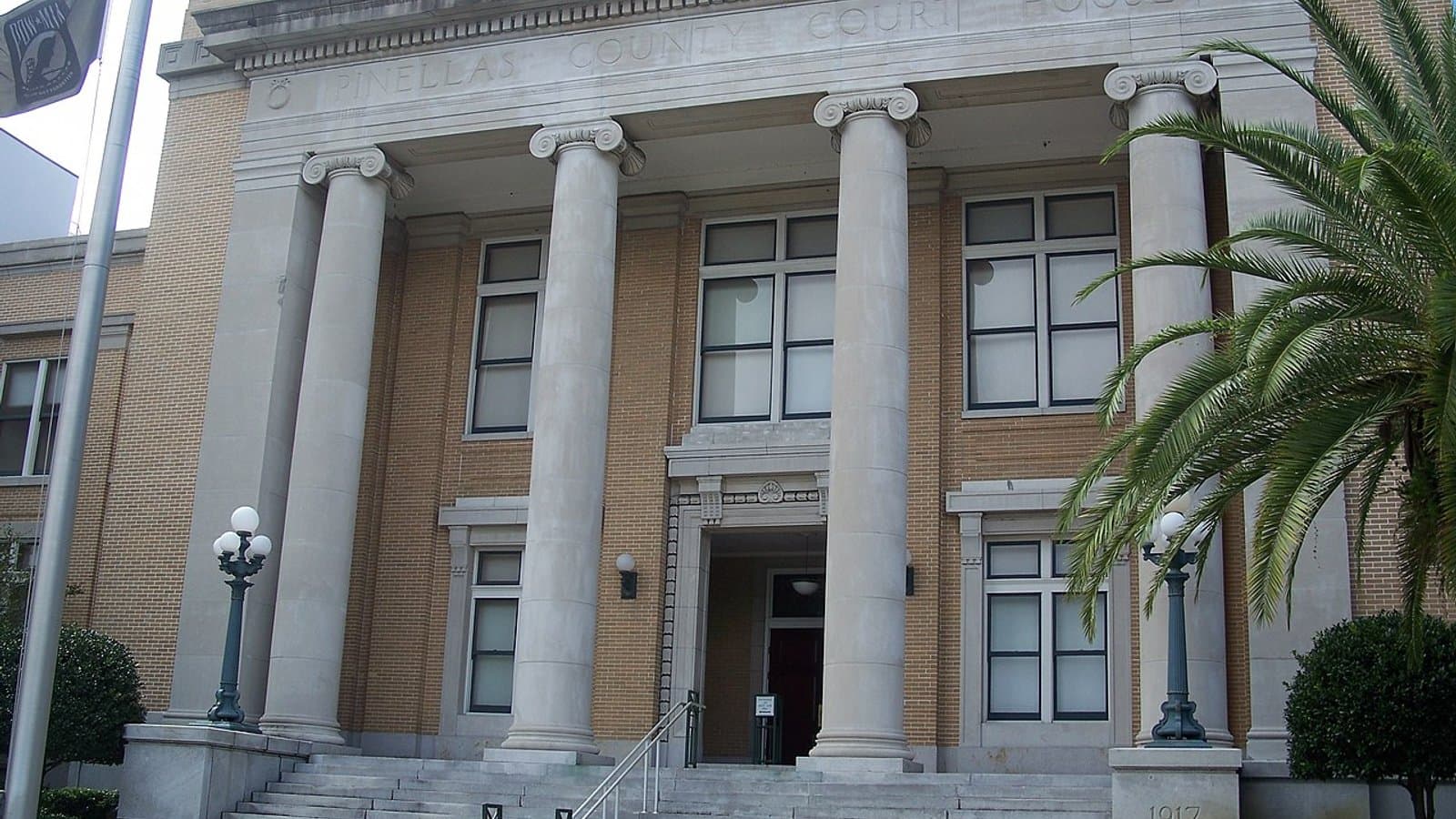
When your lender files a foreclosure lawsuit in Pinellas County Circuit Court, a lis pendens is recorded in the county public record. You will be served with a summons and complaint and have 20 days to respond. Filing a written response preserves your right to contest the case and triggers certain procedural protections. Loss mitigation applications submitted during active litigation can pause proceedings under CFPB servicing rules. Consulting a Florida foreclosure defense attorney at this stage helps you understand which defenses apply to your specific loan and servicer — and can buy meaningful additional time to pursue alternatives.
You Have Equity: Selling May Be Your Best Move
Despite price corrections in some Pinellas submarkets, many homeowners still carry meaningful equity in their homes. If your property is worth more than you owe — including the mortgage balance, missed payments, and any liens — selling before the foreclosure auction preserves that equity. Selling before foreclosure is one of the most underused options because it requires acting before a homeowner feels psychologically ready. The math is clear: homeowners who sell often walk away with tens of thousands of dollars they would have surrendered had they waited for the courthouse steps.
Underwater: Short Sale or Deed-in-Lieu
If you owe more than your home is worth, a short sale allows you to sell with lender approval and settle the remaining balance without a full foreclosure judgment on your record. A deed-in-lieu of foreclosure achieves a similar result by voluntarily returning the property to the lender in exchange for release from the debt. Both require documentation of genuine financial hardship, but they are regularly approved. See the full Pinellas County foreclosure guide for how these processes work locally.
Free Resources for Pinellas County Homeowners
With the HAF program now closed, here is what still exists at no cost:
- Florida SHIP Program: The State Housing Initiatives Partnership (SHIP) distributes annual foreclosure prevention funding through every Florida county. Contact Pinellas County Human Services to ask about current fund availability and eligibility requirements.
- HUD-Approved Housing Counselors: Free housing counseling is available through HUD-approved agencies serving the Tampa Bay area. Counselors can review loss mitigation options, prepare a hardship letter, and negotiate with your servicer — all at no charge to you.
- Florida Legal Aid: Income-qualifying Pinellas County homeowners may be eligible for free legal representation in foreclosure proceedings through Florida Legal Services or Bay Area Legal Services. Contact them before spending money on private legal assistance.
- 211 Helpline: Dial 211 from any phone in Pinellas County to be connected to local emergency assistance programs covering mortgage help, utility assistance, and housing counseling referrals.
Watch Out for Foreclosure Rescue Scams
Florida's foreclosure surge has drawn predatory operators targeting distressed homeowners across every county, and Pinellas is no exception. Common scams include "loan modification specialists" who charge large upfront fees and deliver nothing, deed-transfer schemes that strip your equity, and individuals posing as real estate attorneys. Learn the red flags of foreclosure rescue scams before engaging with any company that contacts you unsolicited. Legitimate help — from HUD counselors, Florida Legal Aid, and licensed REALTORS® — is available without charging you a large upfront fee.
What to Do Right Now
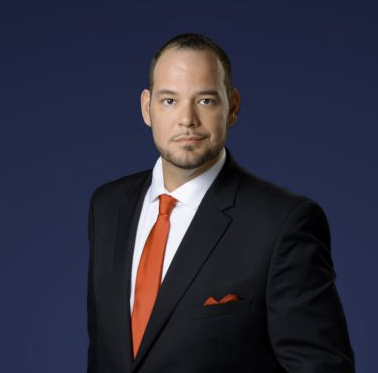
Barrett Henry, REALTOR® and Broker Associate at REMAX Collective, works with Florida homeowners in foreclosure, short sale, and distressed property situations. His advice for Pinellas County homeowners facing mortgage difficulty:
- Do not go silent.Ignoring your servicer's calls and letters will not pause the foreclosure — it will accelerate it. Every missed communication is an opportunity lost.
- Call your servicer today. Ask specifically what loss mitigation programs are available for your loan type and what documentation you need to apply.
- Contact a HUD-approved counselor. Free, confidential, and available to advocate on your behalf with the servicer.
- Get an honest market valuation. Before deciding between selling, modifying, or defending, you need to know your actual equity position. A home with equity is a home you can sell on your terms.
- Read the Florida foreclosure process guide so you understand exactly what each stage means and what comes next.
Legal Disclaimer
This article is for informational purposes only and does not constitute legal advice. Florida foreclosure law is complex, and individual circumstances vary significantly. Consult a licensed Florida attorney for advice specific to your situation. Barrett Henry is a licensed Florida REALTOR®, not an attorney.
If you own a home in Pinellas County and are behind on your mortgage, contact Barrett Henry today for a free, confidential consultation at (813) 761-0133 or help@flforeclosurehelp.com. We serve all of Pinellas County including St. Petersburg, Clearwater, Largo, Dunedin, Tarpon Springs, Pinellas Park, Safety Harbor, Seminole, and Palm Harbor — and we can help you understand every option available before you run out of time.