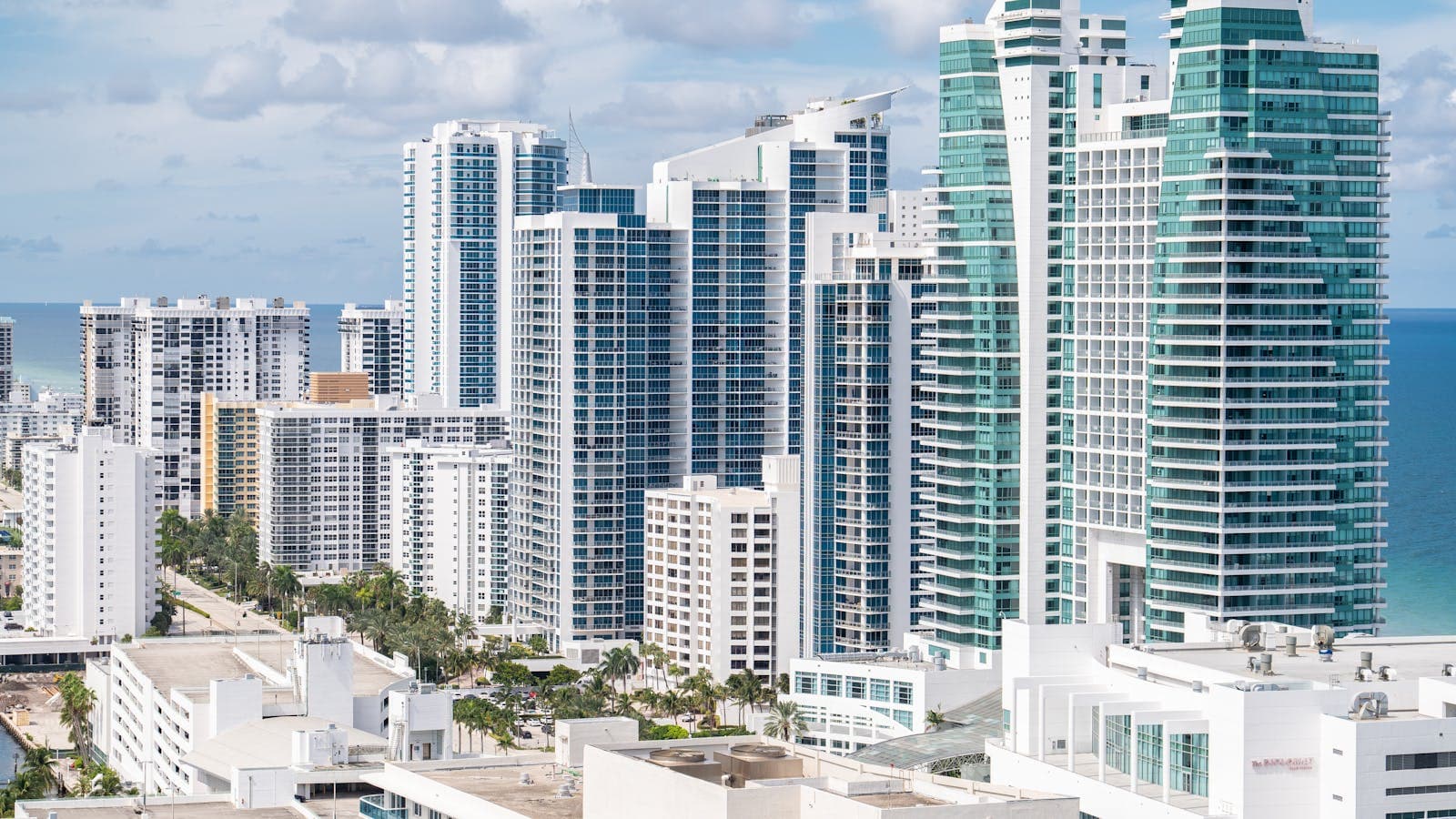
Lakewood Ranch is one of the largest and most prestigious master-planned communities in the United States, spanning the border between Manatee and Sarasota counties. Developed across dozens of distinct villages — each with its own character, amenities, and price point — the entire development operates under an intricate web of homeowners associations and community development districts.
That structure means Lakewood Ranch homeowners face HOA obligations that are more complex than in a typical Florida subdivision. When assessments fall behind, the consequences can escalate quickly. This guide explains how HOA foreclosure works in Lakewood Ranch, which courthouse governs your case, and what you can do to stop it.
The Two-County Reality: Manatee vs. Sarasota
The most important initial question for any Lakewood Ranch homeowner facing HOA foreclosure is: which county is your property in?
- Manatee County:Includes most of the original Lakewood Ranch development — Lakewood Ranch Boulevard corridor, Lorraine Lakes, Country Club East, Esplanade Golf & Country Club, and many others. Cases filed at the 12th Judicial Circuit courthouse in Bradenton.
- Sarasota County: Includes newer villages such as Waterside, Star Farms at Lakewood Ranch (Sarasota portion), and other southerly developments. Cases filed at the 12th Judicial Circuit courthouse in Sarasota.
Check your property address using the Manatee County Property Appraiser at manateepao.com or the Sarasota County Property Appraiser at sc-pa.com to confirm your county and jurisdiction.
Courthouse Information
- Manatee County Courthouse (12th Judicial Circuit)
1115 Manatee Ave W, Bradenton, FL 34205 - Sarasota County Courthouse (12th Judicial Circuit)
2000 Main St, Sarasota, FL 34237
Search your Manatee County case at manateeclerk.com and your Sarasota County case at sarasotaclerk.com.
HOAs vs. CDDs in Lakewood Ranch: Know the Difference
Most Lakewood Ranch villages have both an HOA and a CDD. These are legally distinct entities with different collection mechanisms:
- HOA assessments are collected by the association or its management company. Non-payment leads to HOA foreclosure under F.S. §720.3085.
- CDD assessments appear on your annual property tax bill as a separate line item. They are collected by the county tax collector. Non-payment leads to a tax certificate sale — a different legal process not covered by this guide.
If you are behind on both, you may be dealing with two separate legal threats simultaneously. An attorney can help you prioritize and address each.
Florida Statute §720.3085: Your Rights and the HOA's Authority
F.S. §720.3085 is the foundation of HOA assessment collection in Florida. Under this statute:
- Your HOA must send a 30-day written notice of intent to lien before recording a claim of lien against your property.
- After the claim of lien is recorded, the HOA must send a 45-day notice of intent to foreclose before filing the lawsuit.
- You have the right to cure the lien — pay the full amount owed — at any point before final judgment is entered by the court.
- Amounts owed include past-due assessments, interest (up to 18% annually), late fees (up to $25 per installment or 5% of the delinquent assessment), collection costs, and attorney fees.
If your HOA failed to follow these notice requirements, that is a potential defense. An attorney should review the file before you assume the HOA followed proper procedure.
Lien Priority: Why HOA Auctions Often Settle
Florida law protects first mortgage holders through lien priority rules. Your first mortgage, recorded at purchase, takes priority over any HOA assessment lien that arises later. This means:
- An HOA foreclosure auction does not extinguish your first mortgage.
- Any buyer at the HOA auction takes the property subject to your existing mortgage.
- This dramatically reduces competitive bidding at HOA foreclosure auctions in Lakewood Ranch, where home values and mortgage balances are often significant.
The safe harbor provision in F.S. §720.3085(2) also limits what a first mortgagee who forecloses must pay to the HOA — not more than 12 months of assessments or 1% of the original mortgage balance. This further limits the HOA's leverage once the lender becomes involved.
Options for Lakewood Ranch Homeowners Facing HOA Foreclosure
Cure the Lien in Full
Contact the HOA's attorney or management company and request a payoff letter with a specific cure deadline. Pay the full amount — assessments, interest, fees, and costs — and get written confirmation that the lien is released and the lawsuit is dismissed.
Negotiate a Payment Agreement
Lakewood Ranch HOA management companies regularly negotiate payment plans for delinquent homeowners. Propose a down payment of 30-50% of the total owed with monthly installments. Require that the agreement explicitly suspends the foreclosure while you are in compliance.
Sell Before the Judgment
Lakewood Ranch commands premium home values across most villages. If your equity exceeds the combined mortgage payoff and HOA delinquency, a pre-foreclosure sale is often the cleanest option. Barrett Henry can provide a market analysis and walk you through what a sale would look like in your specific village.
Consult an HOA Defense Attorney
Verify that the HOA followed proper procedure before accepting the amounts claimed. Errors in notice, miscalculated fees, or improperly applied payments can be defenses that reduce what you owe or give you grounds to challenge the foreclosure.
How Barrett Henry Helps Lakewood Ranch Homeowners
Barrett Henry is a REALTOR and Broker Associate at REMAX Collective with 23+ years of real estate experience, serving homeowners throughout the Tampa Bay and greater Sarasota-Manatee market. He is not an attorney and does not provide legal advice.
Barrett works with Lakewood Ranch homeowners to:
- Establish current market value across all Lakewood Ranch villages, from entry-level homes to Country Club East estates.
- Calculate net equity after mortgage payoff, HOA delinquency payoff, and typical closing costs.
- Develop a selling strategy if a sale is the right path — pricing, preparation, and expected timeline in current market conditions.
- Coordinate with attorneys and title companies to ensure all liens are properly identified and handled at closing.
Call Barrett at (813) 761-0133 — free, no-obligation consultation.
Free Resources for Lakewood Ranch Homeowners
- Manatee County Housing — HUD-approved counseling services for Manatee County residents.
- Community Legal Services of Mid-Florida — Free legal aid serving Sarasota and Manatee counties for qualifying homeowners.
- Florida Bar Lawyer Referral Service — (800) 342-8011 for a referral to a licensed HOA or foreclosure defense attorney in the 12th Circuit.
- HUD Counselors — Free foreclosure prevention counseling, statewide availability.
Facing HOA foreclosure in Lakewood Ranch? Contact us today — (813) 761-0133.
MARS Rule Disclosure: Barrett Henry is a licensed real estate professional, not an attorney. Nothing on this page constitutes legal advice. You are not required to use any third-party service and may contact your HOA or mortgage servicer directly at no cost.