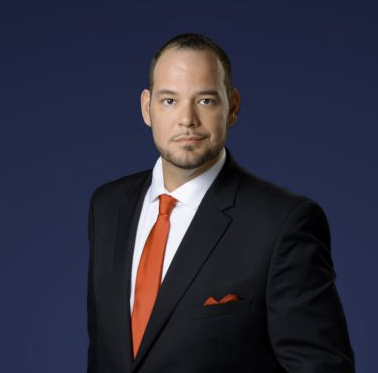
Barrett Henry is a Broker Associate at REMAX Collective with 23+ years of Florida real estate experience helping homeowners and real estate investors navigate complex foreclosure situations, including cases involving multiple properties and business-related debt. He provides direct service to Tampa Bay homeowners and referral connections throughout all 67 Florida counties.
Most Florida homeowners facing foreclosure explore Chapter 13 bankruptcy as a tool to stop foreclosure and catch up on mortgage arrears. But Chapter 13 has debt limits. If your total debt exceeds the statutory cap -- or if most of your debt arises from a business, rental properties, or commercial real estate -- you may not qualify. That is where Subchapter V of Chapter 11 comes in.
Subchapter V, created by the Small Business Reorganization Act of 2019, is a streamlined bankruptcy reorganization track that is faster, cheaper, and more accessible than traditional Chapter 11 -- and it can stop a Florida foreclosure immediately.
When Chapter 13 Is Not Enough
Chapter 13 is excellent for individual homeowners with a steady income and debts under the statutory limits (currently approximately $2.75 million combined secured and unsecured debt). However, Florida homeowners with the following situations may not qualify or may find Chapter 13 inadequate:
- Total secured debt exceeding the Chapter 13 limit (multiple mortgages, rental properties)
- Significant business debts combined with personal real estate obligations
- Commercial or mixed-use property with a large mortgage balance
- Need to restructure investment property mortgages -- which Chapter 13 can do but with restrictions
- Personal guarantee exposure on business loans secured by commercial real estate
For these situations, Subchapter V offers the automatic stay protection of bankruptcy combined with substantially more flexibility in structuring a reorganization plan.
How the Automatic Stay Stops Florida Foreclosure
The moment a Subchapter V petition is filed, the automatic stay under 11 U.S.C. § 362 takes effect. This immediately halts:
- All pending Florida foreclosure proceedings, including scheduled sale dates
- Any deficiency judgment collection actions
- HOA foreclosure actions
- IRS and other tax collection activities
- Creditor phone calls, letters, and lawsuits
The stay is automatic and does not require a court hearing or notice to creditors to be effective. The scheduled foreclosure sale cannot proceed once the stay is in place. This gives you time -- typically 6-12 months or more -- to develop and confirm a reorganization plan.
Compare this to what happens with other foreclosure postponement methods. A bankruptcy stay is legally binding on all creditors simultaneously, making it one of the most powerful tools available.
What Can a Subchapter V Plan Do for Florida Real Estate?
A Subchapter V reorganization plan can address real estate debt in several ways:
| Property Type | What Subchapter V Can Do |
|---|---|
| Primary residence (1st mortgage only) | Cannot modify terms -- anti-modification rule applies; can cure arrears over plan |
| Primary residence (2nd mortgage, if wholly unsecured) | Lien strip possible if property worth less than 1st mortgage balance |
| Investment / rental property | Can modify interest rate, term, and principal (cramdown) to current fair market value |
| Commercial property | Full modification available; cramdown to FMV; personal guarantee treatment in plan |
| Vacation / second home | Can modify and cramdown; anti-modification rule does not apply |
Subchapter V vs. Traditional Chapter 11: Key Differences
Traditional Chapter 11 is notoriously expensive and slow. Subchapter V was designed to address those problems for smaller businesses and individuals. The key differences:
- No creditor committee. Traditional Chapter 11 typically requires an unsecured creditors committee (attorney-run, with fees paid from the estate). Subchapter V eliminates this requirement, saving tens of thousands of dollars.
- Subchapter V trustee. A standing trustee is appointed but plays a limited facilitation role -- they do not operate the business or take control of assets. They work to facilitate a consensual plan.
- Cramdown without accepting class. In traditional Chapter 11, at least one impaired class of creditors must vote to accept the plan. In Subchapter V, the court can confirm a non-consensual plan under 11 U.S.C. § 1191(b) as long as the plan does not discriminate unfairly and is fair and equitable -- even if all creditor classes reject it.
- Faster timeline. The plan must be filed within 90 days (11 U.S.C. § 1189), and confirmation can typically occur within 6-12 months.
- No absolute priority rule for individuals. In traditional Chapter 11, individual debtors must satisfy the absolute priority rule to keep equity in their property. Subchapter V has more flexible rules that allow homeowners to retain their properties without paying all creditors in full, provided they commit all projected disposable income over the plan period.
Subchapter V for Florida Real Estate Investors
Florida real estate investors with a portfolio of rental properties facing simultaneous foreclosures can use Subchapter V to halt all foreclosures with a single filing, restructure underwater investment property mortgages through cramdown, cure arrears on properties worth keeping, and shed properties with no equity through surrender in the plan.
This is especially valuable for investors who purchased properties in high-growth markets during 2020-2023 and are now facing payment shock combined with declining rents or rising vacancy. Rather than losing each property one at a time through multiple foreclosure proceedings, Subchapter V allows a coordinated restructuring.
For primary homeowners, the primary benefit is the automatic stay and the ability to cure arrears on the home while restructuring other debts. If you also have a second mortgage or a junior lien that is wholly unsecured based on property value, Subchapter V can strip that lien entirely.
When to Consider Subchapter V Instead of Other Options
Consider consulting a bankruptcy attorney about Subchapter V if:
- You have more than $2.75 million in combined debt and do not qualify for Chapter 13
- You own multiple investment or rental properties in various stages of foreclosure
- You have personally guaranteed a commercial mortgage that is now in default
- You need to restructure (not just cure) mortgage terms on investment properties
- You are a small business owner whose business and personal real estate are intertwined
If your debt is within Chapter 13 limits and your hardship is temporary, a loan modification, forbearance, or pre-foreclosure sale may be simpler and less expensive options to explore first. For a free assessment of which options fit your situation, get help here.
Facing foreclosure with complex debt? Get free help today -- no cost, no obligation.