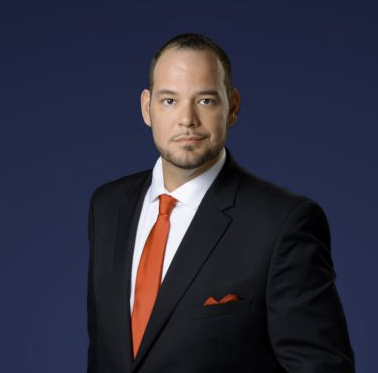
Barrett Henry is a Broker Associate at REMAX Collective with 23+ years of Florida real estate experience. He helps Florida veterans and active duty service members across all 67 Florida counties navigate VA loan foreclosure options -- including VA compromise sales, loan modifications, and pre-foreclosure sales. Direct service in Tampa Bay; referral connections statewide.
If you're a Florida veteran facing the possibility of losing your home, you're not alone — and you have more options than most people realize. The VA loan program comes with built-in protections and resources that can make a real difference when times get hard. This post walks you through exactly what the VA can do for you and what steps to take right now.
What Makes a VA Loan Different When You're Facing Foreclosure?
VA loans are backed by the U.S. Department of Veterans Affairs, which means the VA has a financial stake in helping you avoid foreclosure. Unlike conventional loans, the VA employs a network of regional loan technicians who can work directly with your servicer on your behalf — at no cost to you. This advocacy role is one of the most underused benefits available to struggling veterans.
Beyond the financial backing, VA-guaranteed loans come with servicing standards that require your mortgage company to explore every reasonable alternative before moving forward with foreclosure. That's a layer of protection most civilian borrowers simply don't have. If you want to understand how the broader Florida foreclosure process works, that context will help you see where VA protections fit in.
What Is the VA's Foreclosure Moratorium and Does It Apply to You?
The VA has periodically issued foreclosure moratoriums — temporary pauses on foreclosure actions — for veterans with VA-guaranteed loans during times of national hardship. As of 2024, the VA extended special relief measures, including a new VA Servicing Purchase (VASP) program designed to help veterans who have exhausted other loss mitigation options. Under VASP, the VA can purchase your defaulted loan from the servicer and modify it to a more affordable payment.
Whether a current moratorium applies to your loan depends on your servicer and the specific program in effect at the time. Contact your loan servicer directly, and then follow up with the VA's Regional Loan Center at 1-877-827-3702 to confirm your eligibility. You can also review free resources on our site to find current VA program information.
Can the VA Help You Get a Loan Modification?
Yes. The VA strongly encourages servicers to offer loan modifications to eligible veterans before pursuing foreclosure. A loan modification can reduce your interest rate, extend your loan term, or roll missed payments into the back of your loan — making your monthly payment manageable again. Our full loan modification guide for Florida homeowners explains how this process works in detail.
To start, you'll need to contact your mortgage servicer and request a loss mitigation package. Be ready to document your income, expenses, and the hardship that caused you to fall behind. If your servicer is being unresponsive, a VA-assigned Regional Loan Technician can intervene and push things forward. Don't wait — in Florida, once a foreclosure complaint is filed, you typically have 20 days to respond before you lose important legal rights.
What Is VA Forbearance and How Does It Work in Florida?
VA forbearance allows you to temporarily pause or reduce your mortgage payments when you're facing a short-term financial hardship. It's not forgiveness — you'll still owe the missed amounts — but it gives you breathing room to get back on your feet without falling into foreclosure. Florida veterans can request forbearance directly from their loan servicer, and the VA requires servicers to seriously consider these requests.
After your forbearance period ends, your servicer must work with you on a repayment plan, loan modification, or other solution rather than immediately demanding a lump-sum payment. Our Florida mortgage forbearance guide covers the details of how to request this, what to expect, and how to protect yourself during the process.
Should You Consider a Short Sale or Deed-in-Lieu If Keeping the Home Isn't Possible?
If you've reviewed all your options and keeping the home simply isn't feasible, the VA also supports compromise sales (the VA equivalent of a short sale) and deed-in-lieu of foreclosure arrangements. In a compromise sale, the VA may allow the home to sell for less than what's owed and waive the deficiency — meaning you won't owe the difference. This is a significant benefit compared to conventional loans, where a deficiency judgment in Florida can follow you for years.
Selling before the auction is almost always better than waiting. It protects your credit more, preserves any equity that might exist, and gives you control over the outcome. Learn more about short sales in Florida or selling before foreclosure to understand both paths. Either way, act early — the more time you have, the more options you have.
Are There Free HUD or VA Counselors Who Can Help Florida Veterans?
Absolutely. Florida veterans have access to HUD-approved housing counselors who specialize in foreclosure prevention — and this service is completely free. These counselors can review your loan, explain your options, negotiate with your servicer, and help you put together a plan. Our post on HUD counseling for Florida foreclosure walks you through exactly how to find and work with a certified counselor.
In addition to HUD counselors, veterans can contact the VA directly or reach out to veteran service organizations (VSOs) like the VFW, American Legion, or DAV. These groups often have financial counselors on staff who understand VA loan specifics. Combined with the 8 ways to stop foreclosure in Florida we outline on our site, you'll have a comprehensive picture of every tool available to you.
What Florida Laws Should Veterans Know About?
Florida is a judicial foreclosure state, which means lenders must file a lawsuit and go through the court system before taking your home. Under Florida Statute § 702.01, this process gives you time and legal opportunities to fight back, negotiate, or pursue alternatives. The courts must follow due process, and you have the right to be heard.
Florida Statute § 702.06 governs deficiency judgments and sets limits on how long lenders have to pursue them after foreclosure. For VA loans specifically, the VA's compromise sale process may eliminate this risk entirely. If you're also considering bankruptcy as a last resort, our guide on how to file bankruptcy to stop foreclosure in Florida explains how that option works and when it makes sense. And if your home does sell at auction, you may be entitled to surplus funds — money left over after the debt is paid — so don't walk away without checking.
- Act quickly: The earlier you reach out for help, the more options remain open to you.
- Contact your servicer in writing: Always document your communications.
- Call the VA: 1-877-827-3702 — free, no appointment needed.
- Work with a HUD-approved counselor: Free, unbiased help from someone on your side.
- Know your Florida rights: Florida's judicial process gives you time — use it.
You served this country, and there are real people and real programs ready to serve you in return. Don't let embarrassment or overwhelm keep you from reaching out. Facing foreclosure? Get free help today — no cost, no obligation.