
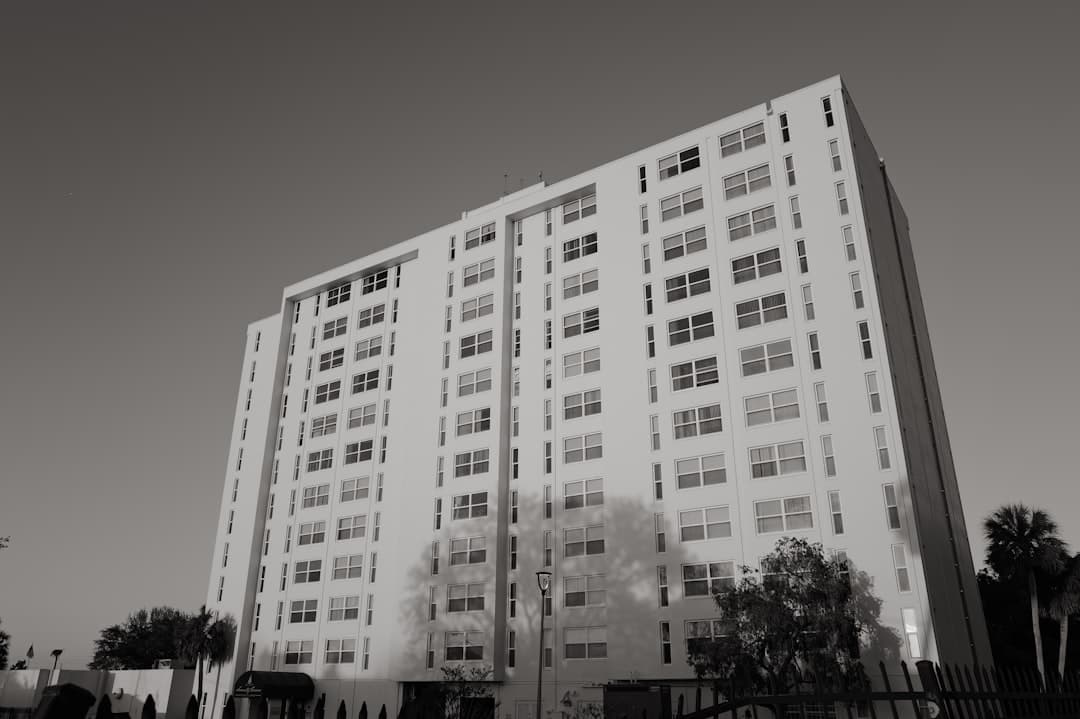
Florida condo owners are facing a crisis. In the wake of the 2021 Surfside condo collapse that killed 98 people, the state passed sweeping legislation requiring structural inspections and full reserve funding for aging condo buildings. The result: special assessments of $30,000, $50,000, $100,000, or more per unit — amounts that many owners simply cannot pay.
If you cannot pay a special assessment, your condo association can place a lien on your unit and foreclose. This guide explains what is happening, why it is happening, what your rights are, and what options you have to protect yourself.
What Is SB 4-D and Why Is It Causing Massive Assessments?
Senate Bill 4-D, signed into law in 2022 and further refined by HB 1021, was Florida's legislative response to the Champlain Towers South collapse in Surfside. The law requires:
- Milestone structural inspections for condo and co-op buildings that are 3 stories or taller. Buildings 30 years old (25 years if within 3 miles of the coast) must complete an initial inspection by a licensed engineer or architect.
- Structural integrity reserve studies (SIRS) that assess the funding needed for major structural components: roof, load-bearing walls, floors, foundation, fireproofing, plumbing, electrical, waterproofing, and exterior painting.
- Full reserve funding — associations can no longer vote to waive or reduce reserves for structural components. Reserves must be fully funded based on the SIRS results.
The problem: for decades, many Florida condo associations voted to waive reserve funding to keep monthly fees low. Maintenance was deferred. Now the bill has come due all at once, and the amounts are staggering.
How Can a Condo Association Foreclose on My Unit?
Under Florida Statute §718.116, your condo association automatically has a lien on your unit for any unpaid assessments — regular monthly assessments and special assessments. This lien is superior to most other claims except:
- Property tax liens
- First mortgage liens recorded before the assessment was due
If you do not pay a special assessment, the association can:
- Record a claim of lien against your unit in the county records
- Add late fees, interest, and attorney's fees to the amount owed
- File a foreclosure lawsuit in circuit court
- Obtain a judgment and sell your unit at a foreclosure auction
COA foreclosure follows the same judicial foreclosure process as mortgage foreclosure. You receive notice, you have the right to respond, and the process takes months — but the end result can be loss of your home.
Barrett Henry, a REALTOR with 23+ years of real estate experience and Broker Associate at REMAX Collective, has seen a sharp increase in condo owners facing this exact situation across Florida. The combination of massive special assessments and rising insurance costs is creating a perfect storm for condo foreclosures.
How Much Are Special Assessments Running?
The amounts vary widely depending on the building's age, condition, size, and location. Here are real ranges Florida condo owners are encountering:
- Minor repairs: $5,000-$15,000 per unit
- Moderate structural work: $20,000-$50,000 per unit
- Major structural remediation: $50,000-$100,000+ per unit
- Severe cases (concrete restoration, full rebar replacement): $100,000-$250,000+ per unit
On top of special assessments, many associations are also seeing insurance premiums double or triple. The combined financial impact is forcing some owners into impossible choices.
What Payment Plan Options Exist?
Florida law does not require associations to offer payment plans for special assessments, but many do because it is in the association's interest to collect the money rather than foreclose. Common payment arrangements include:
- Installment plans: The assessment is divided into 12, 24, or 36 monthly payments. Interest may or may not be charged.
- Association financing: Some associations obtain a bank loan for the entire project and pass the debt service to unit owners through increased monthly assessments over 5-15 years.
- Personal loans: Unit owners obtain their own loans (home equity, personal, or credit line) to pay the assessment.
Check your association's declaration and bylaws. Some governing documents require the board to offer installment plans for assessments above a certain threshold. If yours does not, you can still request a plan — attend board meetings and advocate for owner-friendly payment terms. Collective action by multiple owners is often more effective.
Should I Sell My Condo Before the Assessment Hits?
Timing is critical. The rules depend on when the assessment is levied (formally approved by the board):
- Before the assessment is levied: If you sell before the board formally approves the assessment, the new owner typically assumes responsibility. However, buyers who are aware of pending assessments will negotiate a lower purchase price to account for the anticipated cost. And Florida law requires sellers to disclose known material facts about the property.
- After the assessment is levied: Once the assessment is approved, you are responsible for it. Outstanding assessments must be paid from your sale proceeds at closing. If the assessment exceeds your equity, selling becomes complicated — you may need to bring money to closing or negotiate with the association.
If you are considering selling, move quickly. The longer you wait, the more public information becomes available about the building's structural issues, which can reduce buyer interest and sale price. Read our guide on selling during foreclosure.
What About the Insurance Crisis?
Florida's property insurance crisis is hitting condo owners especially hard. Many buildings have seen insurance premiums increase 200-400% in recent years. Some buildings cannot obtain coverage at any price. When insurance is unavailable or unaffordable, it creates a cascade of problems:
- Higher monthly assessments to cover insurance costs
- Buyers cannot obtain mortgages for uninsured or underinsured buildings
- Property values decline as the pool of potential buyers shrinks
- Special assessments + insurance increases create an unsustainable financial burden
The insurance and assessment double whammy is the biggest financial threat facing Florida condo owners today. If you are struggling with both, explore all options early — waiting only makes the situation worse.
What Are the Compliance Deadlines?
Under SB 4-D and subsequent amendments:
- Milestone inspections: Buildings reaching the 30-year threshold (25 years if coastal) must complete Phase 1 inspections. The deadline has been a moving target — check with your association for the current required date.
- Structural integrity reserve studies: Must be completed and reserves must begin to be fully funded. The waiver of reserves for structural components is no longer permitted.
- Phase 2 inspections: Required if the Phase 1 inspection reveals substantial structural deterioration. Phase 2 is a more detailed assessment.
What Should I Do Right Now?
If you are a Florida condo owner facing a large special assessment:
- Attend every board meeting. Stay informed about inspection results, repair timelines, and assessment amounts.
- Request a payment plan. Ask the board in writing. Rally other owners to support installment options.
- Get your unit's current market value. Knowing your equity position helps you evaluate all options — pay the assessment, sell, or potentially pursue a short sale if you are underwater.
- Consult an attorney. A condo law attorney can review whether the assessment was properly levied and advise on your rights.
- Contact a HUD-approved counselor. If the assessment is pushing you toward foreclosure, free HUD counseling can help you evaluate your full range of options.
Related Guides for Florida Condo Owners
- 8 ways to stop foreclosure in Florida
- HOA lien vs mortgage foreclosure in Florida
- Loan modification options in Florida
- Sell before foreclosure: protect your equity
- Short sale in Florida: a complete guide
- Condo foreclosure in Tampa Bay
- Special foreclosure rules for Florida condos
- Free foreclosure resources for Florida homeowners
Facing a condo special assessment you cannot afford? Contact us for a free consultation. We help Florida condo owners understand their options and connect them with professionals who specialize in distressed condo situations.