If Chase is your mortgage servicer and you have missed payments or are worried about missing one, acting early is the most important thing you can do. Chase offers several loss mitigation programs for Florida homeowners, and the earlier you contact them, the more options remain available to you.
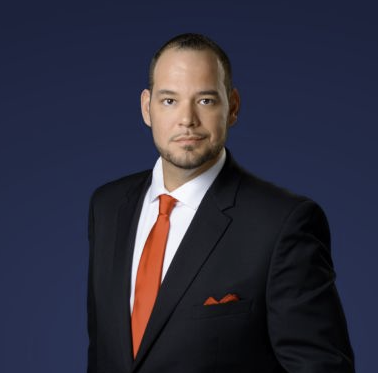
This guide explains how to reach Chase's loss mitigation department, what programs exist, and what your rights are under federal law. Barrett Henry, a REMAX Broker Associate with 23 years of real estate experience, also provides free consultations for Florida homeowners facing foreclosure at (813) 761-0133.
How to Contact Chase Loss Mitigation in Florida
Chase's dedicated mortgage assistance line is 800-848-9380. This is the financial hardship and assistance line, separate from Chase's general mortgage customer service. You can also start the process online at chase.com/mortgage/mortgage-assistance, where Chase provides an online application for homeowners requesting assistance.
Always verify the correct number on your monthly mortgage statement before calling, as servicer phone lines occasionally change. When you reach Chase, ask specifically to speak with the loss mitigation department or a home preservation specialist.
Before you call, prepare:
- Your Chase loan number (on your statement)
- A written explanation of your hardship (job loss, medical emergency, income reduction, etc.)
- Two months of recent bank statements
- Two months of recent pay stubs, or two years of tax returns if self-employed
- A completed hardship letter
Loss Mitigation Options Chase Offers in Florida
Chase offers the full range of loss mitigation programs for Florida homeowners. Which option you qualify for depends on your loan type, income, hardship, and how far behind you are on payments.
Forbearance
Forbearance temporarily pauses or reduces your monthly mortgage payments. It does not eliminate the missed amounts but defers them, giving you time to stabilize your finances. Chase offers forbearance for a range of hardships including job loss, medical emergencies, and natural disasters. At the end of forbearance, you will need a repayment plan, modification, or lump sum to address the deferred amounts.
Compare the two most common early-intervention tools in our guide: forbearance vs. loan modification in Florida.
Repayment Plan
A repayment plan adds a portion of your arrears to each regular monthly payment until you are current. This works best when your hardship has resolved and you can afford a slightly higher payment for 6 to 12 months. It does not change your loan terms permanently.
Loan Modification
A loan modification permanently changes your mortgage terms to reduce your monthly payment. Chase can lower your interest rate, extend your loan term, or defer a portion of your principal. Modifications require a formal application, documentation of your income and expenses, and a trial period of typically three months.
See our complete guide to qualifying for a loan modification in Florida for the full document checklist and process.
Short Sale
If you owe more than the home is worth, or if keeping the home is not feasible, a short sale allows you to sell the property for less than the outstanding balance with Chase's written approval. Chase agrees to accept the sale proceeds as full satisfaction of the debt (or negotiates the remaining balance). A short sale avoids a foreclosure judgment and is significantly less damaging to your credit.
Deed-in-Lieu of Foreclosure
With a deed-in-lieu, you voluntarily transfer ownership of your Florida home to Chase in exchange for a release from the mortgage debt. Chase typically requires proof that the home was listed for sale and did not sell before they will accept a deed-in-lieu. This option avoids a court judgment and can include relocation assistance in some cases.
What CFPB Rules Mean for Your Chase Case
Federal CFPB Regulation X requires Chase to follow strict rules when you request loss mitigation. Under these rules, Chase cannot dual-track a foreclosure while your complete loss mitigation application is under review. Chase must acknowledge your complete application within five business days and provide a decision within 30 days. If Chase denies your application, they must provide the reason in writing and explain your right to appeal.
What Happens if Chase Files a Foreclosure Lawsuit in Florida
Florida is a judicial foreclosure state. Chase must file a lawsuit in the Florida county circuit court where your property is located and serve you with a summons and complaint. Under Florida Statute section 702.10, you have 20 days after being served to file a written response or Chase can seek a default judgment.
Even after a lawsuit is filed, loss mitigation options remain available. Reinstatement (paying all arrears in full) stops the foreclosure at any point before the final judgment. See our guide to mortgage reinstatement in Florida for how to request a reinstatement figure from Chase.
Filing Chapter 13 bankruptcy immediately stops the Chase foreclosure through the federal automatic stay. See our guide: Chapter 13 bankruptcy to stop foreclosure in Florida.
What to Do if Chase Denies Your Modification
A denial from Chase is not the end. Under CFPB rules, you have 14 days to appeal in writing. When appealing, provide new or corrected documentation that addresses the specific reason for denial. See our full guide to what to do when your Florida loan modification is denied.
You can also pivot to a different option: a short sale or deed-in-lieu may be available even when a modification is not. Contact a HUD-approved counselor at (800) 569-4287 for independent guidance on your appeal.
Selling Your Florida Home to Avoid Chase Foreclosure
If your Chase mortgage is current or only slightly past due, you may be able to sell your home at market value, pay off Chase, and walk away with equity. Even if the sale is imminent, acting quickly can preserve that equity.
Barrett Henry, a REMAX Broker Associate with 23 years of Florida real estate experience, provides a free market analysis and consultation for homeowners considering selling before foreclosure. If a short sale is needed, Barrett handles the Chase approval process from start to finish. Learn more about selling before the foreclosure sale or call (813) 761-0133.
Free Resources for Chase Borrowers in Florida
- HUD-approved housing counselors (800) 569-4287 — Free counseling to help you navigate Chase's loss mitigation process and understand your options.
- Florida Housing HAF Program (833) 987-8997 — May provide direct financial assistance for mortgage arrears.
- Barrett Henry, REMAX Collective (813) 761-0133 — Free real estate consultation, no cost or obligation.
- Bay Area Legal Services (888) 912-6097 — Free legal help for qualifying Florida homeowners.