A certified letter arrives 90 to 120 days before your homeowners policy expires. It is polite, sometimes only a page long, and it says the carrier will not be offering renewal. For thousands of Florida homeowners in 2026, that single envelope has quietly become the first step toward a foreclosure filing they never saw coming.
Non-renewals are not a foreclosure by themselves. But the chain that runs from a lapsed policy through force-placed coverage, an escrow shortage, and a suddenly unaffordable monthly mortgage payment is one of the most common paths into default in Florida right now. This guide walks through why non-renewals have surged, how the mechanism works, and — most importantly — what to do at each point along the way.
Why Non-Renewals Are Rising in 2026
Florida's property insurance market has been reshaped by hurricane losses, litigation costs, and reinsurance prices that climbed sharply after 2022. Carriers have responded by tightening underwriting rather than raising rates alone. The clearest sign is the roof-age cutoff: many insurers will not renew a policy on a home with a shingle roof older than about 15 years or a tile or metal roof older than about 25 years, regardless of the roof's actual condition.
Other common triggers include prior claims history, older electrical or plumbing systems, unfenced pools, aluminum wiring, and shifts in a carrier's coastal-exposure appetite. In many cases the homeowner has done nothing wrong — the carrier is simply rebalancing its book of business.
The result shows up in the state's foreclosure numbers. Florida posted the nation's highest foreclosure rate through the first half of 2026, and rising insurance costs are repeatedly cited by ATTOM and industry analysts as one of the frontline drivers. The Florida foreclosure and insurance crisis overview and the insurance, HOA, and property tax "triple threat" guide explain how those pressures stack.
Non-Renewal vs. Cancellation: The Difference Matters
A non-renewal means the carrier will honor the current policy through the expiration date and simply decline to issue a new term. A cancellation, by contrast, ends coverage mid-term. Florida rules limit mid-term cancellations to a narrow set of reasons (nonpayment, material misrepresentation, or a substantial increase in risk), while non-renewals are broader and require at least 120 days' advance written notice for most personal residential policies.
Because non-renewal gives you a longer runway, it is actually the more workable of the two situations — provided you use the runway. Homeowners who set the letter aside and hope it resolves itself almost always run out of time.
How Non-Renewal Turns Into Foreclosure Risk
The mechanism is quiet, but predictable:
- The policy expires without a replacement.Your carrier notifies your mortgage servicer directly. There is no coverage on the home for the lender's collateral.
- Your servicer buys force-placed insurance.Also called lender-placed coverage, this policy protects only the lender's financial interest — not your personal property, liability, or living expenses. Premiums typically run three to ten times higher than a standard Florida homeowners policy. The force-placed insurance in Florida foreclosure guide details how the cost gets calculated.
- Your escrow account goes into shortage. The premium is charged to escrow, and the servicer raises your monthly payment to cover both the new premium and the cushion the account is required to maintain. Increases of $300 to $800 per month are common. The Florida escrow shortage and payment increase guide walks through the math.
- Payments are missed and default begins. Once you are more than about 120 days past due, federal servicing rules allow the lender to file a foreclosure complaint. See the 30-days-late action plan for what happens at each milestone.
The homeowner who receives the non-renewal letter in April and does nothing can be looking at a foreclosure complaint by the following spring — not because they could not afford the original mortgage, but because they could not absorb the escrow spike.
What to Do in the 90 Days Before Your Policy Expires
1. Shop the private market immediately
Contact an independent agent — one who represents multiple carriers rather than a single company — the week you receive the notice. Even in the current market, private replacement options exist for most homes, especially if you are willing to raise your hurricane deductible, install wind-mitigation features, or repair the item the carrier flagged. Ask for written quotes so you can compare coverage, deductibles, and premium.
2. Address the underwriting trigger if you can
If the non-renewal is roof-age driven and your roof is functionally sound, a wind mitigation inspection and, in some cases, a partial repair or replacement can unlock new quotes. Roof replacements are expensive, but so is a foreclosure — running the numbers with a licensed roofer and your agent is worth doing before you decide.
3. Apply to Citizens if the private market closes
Citizens Property Insurance Corporation is Florida's insurer of last resort. To qualify, you generally must show that no admitted private carrier will offer coverage, or that private quotes exceed Citizens' rate by more than 20 percent. Coverage limits, wind deductibles, and required inspections can be strict, but Citizens is nearly always a better outcome than letting coverage lapse.
4. Loop in your mortgage servicer proactively
Call your servicer, share the replacement quote or Citizens application, and confirm when the new declarations page will be sent to their insurance department. Ask exactly which fax number or upload portal to use — mail is too slow. Servicer errors and crossed-wires are a common cause of unnecessary force-placed policies; the Florida mortgage servicer errors guide explains how those disputes get resolved.
What to Do If Force-Placed Insurance Has Already Started
Once your servicer has bought a force-placed policy, you can still cancel it. Send proof of your own active homeowners policy — the declarations page — to the servicer's insurance department in writing. Under federal RESPA rules, the servicer must cancel the force-placed policy within 15 days of receiving proof of coverage and refund any overlapping premium.
If missed payments have already accumulated because of the escrow spike, the next step is a workout with the servicer: a repayment plan, a partial claim, or a loan modification. The Florida loan modification guide explains what to request, and a free HUD-approved housing counselor at 1-800-569-4287 can advocate for you if the servicer stalls. Homeowners at earlier stages of hardship can also review the full menu of options when behind on Florida mortgage payments.
When Selling Before Foreclosure Is the Better Answer
Not every homeowner will be able to insure, keep, and afford a home whose carrier has walked away. If your roof, plumbing, or electrical needs are large enough that no private carrier will quote you and Citizens will not either, staying in the property can become financially unsustainable. In that situation, a pre-foreclosure home sale — before missed payments and a lis pendens damage your credit — often preserves both your equity and your future borrowing options. Cash and investor buyers routinely purchase homes with insurance issues that traditional buyers cannot finance.
Talk to Someone Today
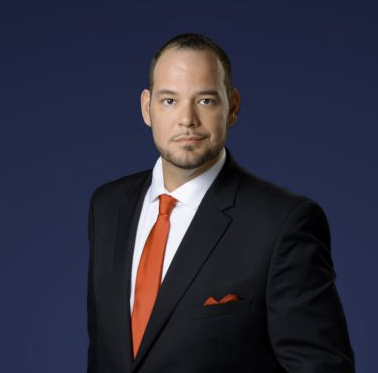
Barrett Henry, REALTOR®, works directly with Florida homeowners who are facing insurance non-renewals, escrow spikes, or an active foreclosure timeline. Every conversation is confidential, honest about your options, and free of pressure — the goal is to help you protect your home if that is possible and your equity if it is not.
Call (813) 761-0133, email help@flforeclosurehelp.com, or visit the Get Help page to start the conversation online. If you are already at risk of default, the 8 Ways to Stop Foreclosure in Florida page lays out every option from reinstatement to a strategic sale.
This is general information, not legal or insurance advice. Insurance underwriting rules, foreclosure timelines, and available programs vary by carrier, lender, and local court. Consult a qualified Florida attorney and a licensed insurance professional for guidance specific to your situation.
Free Resources
- HUD-approved housing counselor: 1-800-569-4287
- HOPE Hotline: 1-888-995-4673
- FHA Resource Center: 1-800-225-5342
- Barrett Henry, REALTOR®: (813) 761-0133