When ATTOM released its Mid-Year 2026 U.S. Foreclosure Market Report, the findings for Jacksonville were stark. The Jacksonville metropolitan statistical area ranked No. 8 among the worst foreclosure markets of any major metro area in the United States, with a foreclosure filing rate of approximately 0.31% of housing units in the first half of the year.
That figure sits above Florida's statewide average of 0.27%, which is itself the highest of any state in the nation. Jacksonville is not just caught up in a Florida problem — it is outpacing most of the state. If you own a home in Duval County and are watching your finances closely, this is not background noise. It is a signal about real pressure hitting real homeowners in your city right now.
This post covers what the data shows, what is driving Jacksonville's elevated rate, and what your options are — based on where you stand in the process.
What the Mid-Year 2026 ATTOM Data Shows for Jacksonville
The ATTOM Mid-Year 2026 report covers foreclosure activity through the end of June 2026 across more than 3,000 U.S. counties. For Jacksonville:
- Jacksonville metro foreclosure rate: ~0.31% — approximately one in every 323 housing units received at least one foreclosure filing in H1 2026.
- National rank: No. 8 among major metro areas with the highest foreclosure rates — the only Florida market in the top 10 outside of Southwest and Central Florida.
- Jacksonville's rate exceeds the Florida statewide average of 0.27%, which itself represents 27,494 properties statewide and is roughly 33% higher than the same period in 2025.
For context on where Florida stands nationally, see the full Florida foreclosure mid-year 2026 update and the breakdown of how Florida's rate compares to the national average. And for a county-by-county breakdown across the state, the Florida foreclosure rate by county in 2026 puts Duval County's position in statewide perspective.
Jacksonville Among Florida's Most Distressed Markets
The mid-year 2026 data showed several Florida metro areas crowding the national top 10 worst foreclosure markets. Jacksonville's entry at No. 8 is significant because it represents the Northeast Florida region — a market that had previously avoided the acute distress concentrated in Southwest and Central Florida.
For comparison, here are the Florida metros that appeared among the nation's worst in H1 2026:
- Punta Gorda (Charlotte County): 0.50% — the highest foreclosure rate of any major metro in the nation. See the Punta Gorda foreclosure rate analysis.
- Lakeland (Polk County): 0.48% — No. 2 nationally. See the Lakeland foreclosure rate breakdown.
- Cape Coral–Fort Myers (Lee County): 0.35% — No. 6 nationally. See Cape Coral's foreclosure rate analysis.
- Jacksonville (Duval County): 0.31% — No. 8 nationally.
- Ocala (Marion County): 0.31% — No. 9 nationally. See the Ocala foreclosure rate breakdown.
Jacksonville's presence on this list is a meaningful development. Unlike Punta Gorda or Cape Coral, which face severe coastal insurance exposure on top of other stressors, Jacksonville's distress reflects a broader set of economic pressures that are hitting a large, diverse urban market.
What Is Driving Jacksonville's Foreclosure Surge
Several converging pressures explain why Duval County has joined the ranks of the hardest-hit markets in the country.
Statewide Insurance Costs
Florida carries the highest homeowners insurance premiums of any state in the nation, and Jacksonville homeowners are not exempt from that pressure. When a homeowner's escrow adjustment arrives reflecting a higher insurance premium, the effective monthly payment goes up — often by several hundred dollars — without any change to the mortgage rate. For households already stretched, that increase can be the trigger that makes the payment unmanageable. The broader relationship between Florida's insurance market and foreclosure risk is detailed in the analysis of Florida's insurance crisis and its foreclosure impact.
Post-Forbearance Pipeline
A share of Jacksonville borrowers entered COVID-era forbearance arrangements in 2020 and 2021. Many of those plans resulted in deferred balances that came due over 2023 and 2024. Homeowners who could not sustain repayment terms have cycled through to active foreclosure filings — and those cases are now appearing in the 2026 data. For homeowners still dealing with the aftermath of a forbearance arrangement, the guide to forbearance versus loan modification in Florida explains the difference between temporary relief and a permanent restructuring of your loan.
Property Tax and Carrying Cost Increases
Home values in Jacksonville rose sharply during 2020–2022, and property tax assessments have followed. For owners who purchased at or near the peak, the combination of a higher insurance escrow and higher tax escrow has significantly increased the total monthly cost of carrying their home — in some cases well above what was projected at closing. When income has not kept pace, that gap becomes unmanageable.
Timelines Are Compressing
One factor many homeowners do not fully appreciate is how much faster the foreclosure process is moving in 2026 compared to 2020–2021. Courts that accumulated backlogs during the pandemic have largely cleared them, and lenders are pursuing filings more efficiently. The national average from first filing to completed sale fell to 563 days in Q2 2026 — the shortest since 2013. Read why Florida foreclosure timelines are shrinking in 2026 and how much time you realistically have based on your specific stage in the process.
Your Options as a Duval County Homeowner
The right course of action depends entirely on where you stand in the process. Here is a plain-language breakdown by stage.
One to Three Payments Behind — No Lawsuit Filed
This is the window with the widest set of available options. Call your mortgage servicer and ask specifically about loss mitigation: a temporary forbearance, a repayment plan to spread arrears over time, or a loan modification that permanently changes your loan terms. Federal rules require your servicer to reach out within 36 days of a missed payment and to provide written loss mitigation information within 45 days.
A free HUD-approved housing counselor can advocate with your servicer on your behalf at no cost to you. Call 1-800-569-4287 to reach a counselor in your area, or see the full guide to free HUD housing counselors in Florida. Also check whether the Florida Homeowner Assistance Fund can help cover mortgage arrears — that program has a hard deadline and funding may be limited.
You Have Received a Lis Pendens or Foreclosure Complaint
A lis pendens is the formal notice that a foreclosure lawsuit has been or will be filed against your property. If you have been served with the foreclosure complaint, you have 20 days to file a written answer with the Duval County Circuit Court. Filing an answer contests the case, prevents a default judgment, and keeps negotiations open. Missing that deadline is one of the most consequential mistakes you can make in the foreclosure process.
See what a lis pendens means and what to do immediately in the guide to lis pendens for Florida homeowners, and consult the full Duval County foreclosure guide for local courthouse information, case lookup instructions, and county-specific resources.
You Have Equity and Want to Exit Cleanly
Many Jacksonville homeowners who are behind on payments still have meaningful equity — particularly those who purchased before 2020 or who have been paying down principal for a decade. If that describes your situation, selling before the foreclosure auction is typically the strongest financial outcome available: the outstanding balance is paid from the proceeds, no foreclosure judgment appears on your credit record, and you may walk away with funds to start over.
The step-by-step guide to selling your home before the foreclosure auction explains the process in full. The sell before foreclosure overview is a good starting point if you are not sure where you stand.
You Owe More Than the Home Is Worth
If your outstanding mortgage balance exceeds what the home would bring in today's market, a short sale — where the lender agrees to accept less than the full amount owed — is often a better outcome than letting the foreclosure run to completion. Florida lenders frequently waive the remaining deficiency balance as part of a negotiated short sale, though this is not guaranteed. Compare the outcomes carefully by reviewing Florida's deficiency judgment rules and the credit impact of a short sale versus a completed foreclosure.
Talk to Someone Today
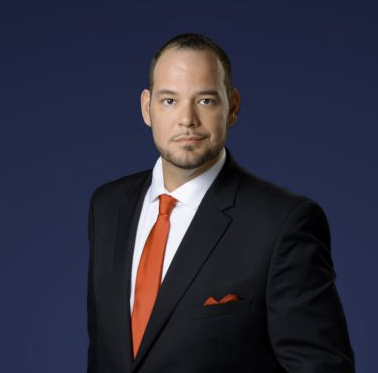
Barrett Henry, REALTOR®, works directly with Jacksonville and Duval County homeowners who are behind on their mortgage — from assessing your equity position and understanding your options to connecting you with trusted local attorneys and free HUD-approved counselors. Every conversation is confidential and there is no obligation.
Call (813) 761-0133, email help@flforeclosurehelp.com, or visit the Get Help page to start the conversation online.
Related Guides
- Duval County Foreclosure Guide: Timeline, Courthouse, and Options
- Florida Foreclosures Up 33% in the First Half of 2026: Mid-Year Update
- Florida Foreclosure Starts Jump 35% in July 2026: Monthly Update
- Why Florida Leads the Nation in Foreclosures in 2026
- Florida Foreclosure Timelines Are Shrinking in 2026
- Punta Gorda Has the Nation's Highest Foreclosure Rate in 2026
- Lakeland Foreclosure Rate 2026
- What Is a Lis Pendens? A Guide for Florida Homeowners
- Forbearance vs. Loan Modification in Florida
- Free HUD Housing Counselors in Florida
- Selling Your Home Before the Foreclosure Auction in Florida
- Behind on Mortgage Payments in Florida: All Your Options
This is general information, not legal advice. Foreclosure laws, timelines, and outcomes vary by lender, loan type, and individual circumstance. Consult a qualified Florida attorney for guidance specific to your situation.
Free Resources
- HUD-approved housing counselor: 1-800-569-4287
- HOPE Hotline: 1-888-995-4673
- FHA Resource Center: 1-800-225-5342
- Barrett Henry, REALTOR®: (813) 761-0133