Duval County is home to Jacksonville, the largest city by land area in the contiguous United States and one of Florida's most economically diverse metro areas. The county seat hosts a substantial military presence -- Naval Air Station Jacksonville and Naval Station Mayport are both within Duval County -- alongside a large finance and insurance sector, healthcare industry, logistics and port operations, and a growing technology corridor. That mix of industries and the significant veteran and active-duty population shapes the mortgage hardship landscape in ways that differ from many other Florida counties.
If you are a Duval County homeowner who has fallen behind on your mortgage or who is facing a hardship that is making payments difficult, a loan modification may be the most effective path to stabilizing your situation without losing your home. This guide explains how modifications work in Jacksonville, what the 4th Judicial Circuit means for your case, and what free resources are available to Duval County homeowners.
What Is a Loan Modification?
A loan modification permanently changes one or more terms of your existing mortgage to reduce your monthly payment to a sustainable level. Changes can include lowering your interest rate, extending your loan term (which spreads the remaining balance over more years), deferring a portion of the principal to the end of the loan, or some combination. The modification does not require you to qualify as you would for a new loan -- it is a workout agreement with your existing servicer based on your documented hardship and current income.
For more on how modifications work generally across Florida, see our Florida loan modification guide and the detailed walkthrough of how to qualify for a loan modification in Florida.
Duval County Foreclosure and the 4th Judicial Circuit
Florida requires lenders to go through the courts before foreclosing. All Duval County foreclosure cases are filed at the Duval County Courthouse, 501 W Adams St, Jacksonville, FL 32202, through the 4th Judicial Circuit Court. The 4th Circuit covers Duval, Clay, and Nassau counties.
An important protection: once a foreclosure lawsuit has been filed, submitting a complete loan modification application triggers dual-tracking restrictions under CFPB Regulation X (12 C.F.R. Part 1024). The servicer generally cannot schedule or pursue a foreclosure sale while your complete application is under active review. For more on how this plays out, see can a bank foreclose during a loan modification. For the full Duval County foreclosure context, see the Duval County foreclosure guide and the Duval County foreclosure rate report.
Military and SCRA Protections for Duval County Servicemembers
Duval County has one of the largest active-duty military populations in Florida, with NAS Jacksonville on the Westside and Naval Station Mayport on the Atlantic coast. Active-duty servicemembers have specific legal protections that apply to their mortgages.
Under the Servicemembers Civil Relief Act (SCRA), if you are called to active duty after taking out your mortgage, your lender is required to reduce your interest rate to no more than 6% for the period of active service and one year after. This reduction applies automatically upon written notification to your servicer -- it is a legal right, not a request the servicer can decline. Courts also generally require additional approval steps before a servicemember's primary residence can be foreclosed while on active duty.
Veterans with VA-guaranteed loans have access to VA-specific loss mitigation options, including VA HAMP (Home Affordable Modification Program) for VA loans, special forbearance, and the VA Compromise Sale (short sale equivalent). For information on FHA loan options, see FHA loan foreclosure options in Florida.
Qualifying Hardships for Jacksonville Homeowners
Qualifying hardships include job loss, income reduction, medical expenses, divorce, death of a co-borrower, and military-specific situations including PCS (Permanent Change of Station) moves that created hardship, deployment that reduced household income, and transition from active duty to civilian employment at lower income. Jacksonville's finance and insurance sector has also seen layoffs and restructuring in recent years that qualify as documented income disruptions.
Your hardship letter should be specific, explain the cause and timing of the financial difficulty, and state what has changed or what you need to remain in the home. Generic hardship letters that simply state "I am having financial difficulty" are far less effective than specific, documented narratives.
The Modification Process Step by Step
The process begins by contacting your servicer and requesting a loss mitigation packet. Required documents typically include: recent pay stubs (or VA/retirement benefit statements), two years of federal tax returns, two to three months of bank statements, a completed financial worksheet, and a written hardship letter. Military members should also include any deployment orders, PCS orders, or military service documentation relevant to the hardship.
Once a complete application is received, the servicer has 30 days to acknowledge it and an additional 30 days to make a decision under CFPB Regulation X. In practice, full review takes 30 to 90 days. If approved, a 3 to 4 month trial modification period follows. Completing the trial leads to a permanent modification. For what to do if the modification is denied, see what to do when a loan modification is denied in Florida. For situations where a trial period was started but could not be completed, see failed trial modification plans in Florida.
Forbearance vs. Modification in Jacksonville
Forbearance pauses or reduces payments temporarily; a modification changes your loan permanently. If you are currently in a forbearance and approaching its end, ask your servicer about transitioning to a modification -- this is often the right next step. For the full comparison, see forbearance vs. loan modification in Florida.
Other Options If Modification Does Not Work
If modification is not available or is insufficient, other paths include selling your home before the foreclosure auction (preserving equity and credit), a short sale if you are underwater, Chapter 13 bankruptcy to restructure debt and catch up on arrears, or a deed in lieu of foreclosure. For how Chapter 13 stops a foreclosure, see Chapter 13 bankruptcy to stop foreclosure in Florida. For deficiency liability, see Florida deficiency judgment guide. For post-foreclosure credit recovery, see buying a home after foreclosure in Florida.
Free Resources for Duval County Homeowners
Jacksonville Area Legal Aid (JALA) provides free civil legal services to qualifying low-income residents of Duval County at (904) 356-8371. HUD-approved housing counselors provide free foreclosure prevention counseling statewide -- see our guide on HUD-approved foreclosure counseling in Florida. The Florida Housing Homeowner Assistance Fund (HAF) at (833) 987-8997 may provide direct financial assistance. For current Jacksonville foreclosure context, see the behind on mortgage in Jacksonville guide.
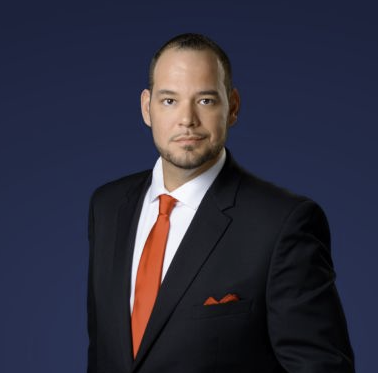
Contact Barrett Henry
Barrett Henry is a REALTOR and Broker Associate at REMAX Collective with 23+ years of real estate experience. His direct service area covers the greater Tampa Bay region. For Duval County homeowners, he provides free consultations and connects you with knowledgeable local referral partners who understand the Jacksonville market.
Call (813) 761-0133 for a free consultation with no obligation. Under the MARS Rule (12 C.F.R. §1015), no upfront fees are ever charged for loan modification counseling or assistance.