Lafayette County is located in North Central Florida along the Suwannee River. The county seat and only incorporated community is Mayo. Lafayette County is one of Florida's smallest and most rural counties, with an economy built around timber, cattle, and agriculture. If you are a Lafayette County homeowner facing mortgage hardship, a loan modification is often the most effective path to staying in your home.
This guide explains how loan modifications work under the 3rd Judicial Circuit, what local hardship factors qualify, and where to find free help.
How Loan Modification Works
A loan modification permanently changes one or more terms of your existing mortgage -- interest rate, principal balance, loan term, or payment amount -- to make your monthly payment sustainable. The modification is negotiated directly with your loan servicer's loss mitigation department, not through the courts.
For the complete process step by step, see our Florida loan modification guide. If a foreclosure lawsuit has already been filed, see our Florida foreclosure timeline guide.
Lafayette County Foreclosure and the 3rd Judicial Circuit
Florida is a judicial foreclosure state. All Lafayette County foreclosure cases are filed through the 3rd Judicial Circuit. The Clerk of Court is at 120 W Main Street, Mayo, FL 32066, (386) 294-1600 (mailing address: PO Box 88, Mayo, FL 32066). Contact the Clerk's office to confirm the current foreclosure auction format and sale schedule. The 3rd Circuit covers Columbia, Dixie, Hamilton, Lafayette, Madison, Suwannee, and Taylor counties. For the broader county foreclosure overview, see our Lafayette County foreclosure guide. For related county resources, see our Suwannee County loan modification guide and our Columbia County loan modification guide.
Lafayette County Hardship Factors
Lafayette County's economy is rooted in timber, cattle ranching, and row crop agriculture. Homeowners whose income depends on farming, farm labor, or timber-related industries may document income reductions with employer letters, farm income records, or tax returns as part of their hardship package.
The Suwannee River runs through Lafayette County and is a draw for ecotourism and outdoor recreation. Income disruptions affecting small tourism operators or seasonal workers also qualify as hardship.
All of Lafayette County qualifies as USDA-eligible rural territory. If your mortgage is a USDA Rural Development loan, USDA-specific loss mitigation options are available. See our USDA loan foreclosure guide.
What Happens If Modification Is Denied
A denial is not final. Your servicer must provide a written explanation, and you have 14 days to appeal. After a denial, other options may include forbearance, repayment plans, deed in lieu of foreclosure, short sale, or Chapter 13 bankruptcy. For next steps, see our loan modification denied guide. For short sale options, see our Florida short sale guide. For Chapter 13, see our Chapter 13 bankruptcy to stop foreclosure guide.
Free Resources for Lafayette County Homeowners
Three Rivers Legal Services serves North and North Central Florida including Lafayette County. HUD-approved housing counselors are available statewide by phone at no cost. Community Legal Services of Mid-Florida (CLSMF) operates a statewide HELPline at 1-800-405-1417. The Florida Housing Homeowner Assistance Fund (HAF) at (833) 987-8997 may provide direct financial assistance. For free HUD counseling, see our HUD-approved foreclosure counseling guide.
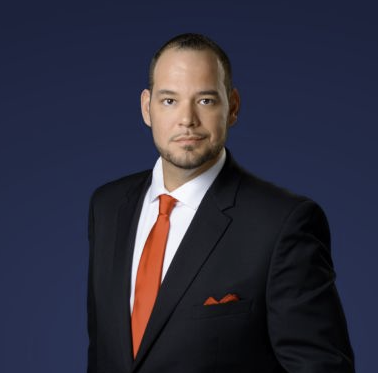
Contact Barrett Henry
Barrett Henry is a REALTOR and Broker Associate at REMAX Collective with 23+ years of real estate experience. His direct service area covers the greater Tampa Bay region. For Lafayette County homeowners in Mayo and surrounding communities, he provides free consultations and connects you with knowledgeable referral partners serving North Central Florida.
Call (813) 761-0133 for a free consultation with no obligation. Under the MARS Rule (12 C.F.R. 1015), no upfront fees are ever charged for loan modification counseling or assistance.