St. Lucie County stretches along Florida's Treasure Coast between Palm Beach and Indian River counties. Port St. Lucie is the county's largest city and one of the most populated cities in the state, while Fort Pierce -- the county seat -- is home to the courthouse and established waterfront neighborhoods. The county's population includes a significant share of retirees, healthcare workers, service industry employees, and agricultural workers in the western portions of the county.
A loan modification can restructure your existing mortgage to reduce your monthly payment to a sustainable level. This guide explains how the process works for St. Lucie County homeowners under the 19th Judicial Circuit, what hardship documentation is needed, and what free resources are available.
What Is a Loan Modification?
A loan modification is a permanent change to one or more terms of your existing mortgage. Depending on your loan type and servicer, a modification may lower your interest rate, extend your loan term, defer a portion of your principal balance, or combine multiple changes to achieve an affordable monthly payment.
Unlike refinancing, a modification changes the terms of your existing loan without requiring you to qualify for new financing -- making it available to homeowners who cannot refinance due to credit damage, reduced income, or insufficient equity. For the complete overview, see our Florida loan modification guide.
The 19th Judicial Circuit and St. Lucie County Foreclosure
Florida is a judicial foreclosure state. Your lender must file a lawsuit and obtain a final judgment before the property can be sold at auction. In St. Lucie County, all foreclosure cases are filed at the St. Lucie County Courthouse, 218 S 2nd St, Fort Pierce, FL 34950, through the 19th Judicial Circuit. Fort Pierce -- not Port St. Lucie -- is the county seat and courthouse location. The 19th Circuit covers Indian River, Martin, Okeechobee, and St. Lucie counties.
Loan modification takes place outside of court through your servicer. If a foreclosure lawsuit has already been filed, submitting a complete modification application pauses the foreclosure sale process under CFPB Regulation X while the application is under review.
For the full Florida foreclosure timeline, see our Florida foreclosure timeline guide. For St. Lucie County context, see our St. Lucie County foreclosure guide and our guide on behind on your mortgage in Port St. Lucie.
Qualifying for a Loan Modification
To qualify, you must demonstrate a documented financial hardship and the ability to make the proposed modified payment. Common hardships include job loss, significant income reduction, divorce, death of a co-borrower, major medical expenses, disability, retirement income reduction, or a substantial increase in living costs -- including homeowners insurance -- that made your mortgage payment unaffordable.
For the full documentation requirements and how to write your hardship letter, see our guide on how to qualify for a loan modification in Florida.
USDA Rural Loan Options in Western St. Lucie County
Some areas in western St. Lucie County -- including agricultural communities west of I-95 -- may be eligible for USDA Rural Development loan modifications. If your home was purchased with a USDA Section 502 Direct or Guaranteed loan, your servicer may offer USDA-specific loss mitigation options including forbearance, loan modification, reamortization, or a Mortgage Recovery Advance that can pay delinquent amounts and add them as a junior lien. Contact your USDA servicer or the USDA Rural Development Florida State Office to confirm eligibility.
Trial Modification Period
Most loan modifications include a trial payment period of 3 to 4 months. During the trial, you make the proposed modified payment on time. Successfully completing the trial results in a permanent modification. If your trial modification is cancelled, see our guide on what to do after a failed trial modification plan.
If your application is denied, see what to do when a loan modification is denied. Other alternatives include forbearance, Chapter 13 bankruptcy to stop foreclosure, and a Florida short sale.
Free Resources for St. Lucie County Homeowners
- Florida Rural Legal Services -- (888) 582-3410 -- provides free civil legal assistance to qualifying homeowners and covers St. Lucie County. Website: frls.org.
- HUD-Approved Housing Counseling -- Free mortgage counseling from HUD-certified agencies. See our guide on HUD-approved foreclosure counseling in Florida.
- Florida Housing HAF Program -- (833) 987-8997 -- the Florida Homeowner Assistance Fund may provide direct financial assistance to qualifying homeowners. See emergency mortgage help in Florida.
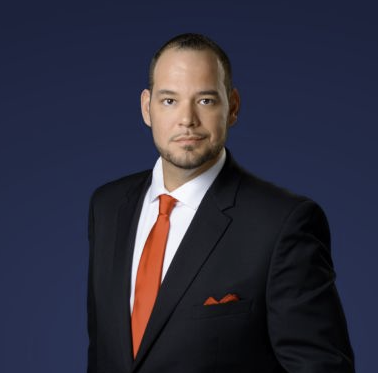
Barrett Henry is a REALTOR and Broker Associate at REMAX Collective with 23+ years of real estate experience. For St. Lucie County homeowners, he provides free consultations and connects you with knowledgeable local referral partners. Call (813) 761-0133 for a free consultation. Under the MARS Rule (12 C.F.R. 1015), no upfront fees are ever charged.
Port St. Lucie and Fort Pierce Homeowner Resources
For the full St. Lucie County context, see our St. Lucie County foreclosure guide. For Port St. Lucie homeowners specifically, see our guide on behind on your mortgage in Port St. Lucie. After a modification or sale, see our guide on buying a home after foreclosure or short sale in Florida. For deficiency judgment risks, see our guide on deficiency judgments in Florida.
Facing mortgage hardship in St. Lucie County? Contact Barrett today -- free consultation, no upfront fees, no obligation.