Florida claimed the unwanted distinction of posting the highest foreclosure rate of any state in the nation in the first half of 2026. With 27,494 properties receiving at least one foreclosure filing in the first six months of the year — a statewide rate of 0.27% of all housing units, up 33% from the same period in 2025 — the pressure on Florida homeowners is real and growing. Miami-Dade County, Florida's most populous and densely developed county, sits squarely inside that trend.
What distinguishes Miami-Dade from other parts of the state is the particular mix of pressures its homeowners face: a uniquely high concentration of older condominiums now subject to new structural inspection and reserve-funding laws, homeowners insurance costs that have risen sharply over the past three years, and a housing market where purchase prices from the 2021–2022 boom have left many households stretched thin on monthly payments. Understanding those dynamics — and knowing what options are available — is the starting point for any Miami-Dade homeowner who is behind or worried about falling behind.
For the statewide context behind these numbers, the Florida foreclosure rate 2026 overview and the Florida foreclosure mid-year 2026 update provide the full picture. This post focuses on what those statewide trends mean specifically for homeowners in Miami, Hialeah, Coral Gables, Homestead, and the rest of Miami-Dade County.
What Is Driving Foreclosures in Miami-Dade in 2026?
Foreclosure filings rarely happen because of one thing. In Miami-Dade, the increase reflects several pressures converging at once. Identifying which of these applies to your situation is the first step toward choosing the right response.
The Insurance Cost Shock
Florida carries the most expensive homeowners insurance market in the country, and South Florida's coastal exposure makes Miami-Dade one of the highest-cost areas within the state. Statewide, homeowners insurance premiums have increased an average of approximately 42% over the past three years. When insurance costs rise, the escrow portion of a monthly mortgage payment rises with them — often by hundreds of dollars — at the servicer's annual escrow review.
For homeowners who purchased at peak 2021–2022 prices and were already stretching to make their payment, an escrow adjustment can push the total obligation beyond what their income reliably supports. That is the direct path from an insurance premium increase to a missed mortgage payment to a notice of default. The full relationship between Florida's insurance crisis and rising foreclosure activity is examined in detail in our post on Florida's insurance crisis and its foreclosure impact.
The Condo Special Assessment Crisis
No other Florida county has as many older oceanfront and waterfront condominium buildings as Miami-Dade. After the June 2021 collapse of Champlain Towers South in Surfside — located in Miami-Dade County — Florida enacted Senate Bill 4-D, which requires residential condominiums three stories or higher to complete structural milestone inspections and maintain fully funded reserves for structural components.
As of January 1, 2026, the grace period for compliance ended. Boards that had not yet funded their reserves or completed required inspections now face significant legal exposure, and many have responded by levying special assessments ranging from $10,000 to well above $100,000 per unit, depending on the building's age and condition. For a condo owner who cannot pay a lump-sum assessment of that size, the association can place a lien on the unit and ultimately foreclose if the debt goes unpaid.
The details of how condo association foreclosures work — and how they interact with mortgage foreclosure — are explained in the guides on condo special assessments and foreclosure in Florida and Florida condo foreclosure special rules.
Miami-Dade's Condo Special Assessment Program
Miami-Dade County recognized the financial hardship the new condo laws would impose on many unit owners and relaunched its Condominium Special Assessment Program. Qualifying homeowners earning less than 140% of the area median income can receive loans of up to $50,000 with a 40-year repayment term to cover an unpaid special assessment. The program is specifically intended to help owners who want to keep their unit but cannot pay a large lump-sum bill out of pocket.
If you are a condo owner in Miami-Dade facing a special assessment, contact Miami-Dade County's housing department or a HUD-approved housing counselor at 1-800-569-4287 to find out whether the program is currently accepting applications and whether you qualify. The Florida Homeowner Assistance Fund 2026 may also provide relief for homeowners facing mortgage delinquency tied to rising costs.
Florida's Foreclosure Process in Miami-Dade Courts
Florida is a judicial foreclosure state. Every mortgage foreclosure must proceed through the circuit court — in Miami-Dade's case, the Eleventh Judicial Circuit. This is important because it means the process has defined procedural steps that give homeowners both time and legal tools to respond.
The process typically begins when a lender files a foreclosure complaint and records a lis pendens — a public notice that a foreclosure lawsuit has been filed against the property. Once you are served with the complaint, you have 20 days to file a written answer with the court. Filing an answer makes the case contested, which extends the timeline and preserves your ability to negotiate or pursue alternatives. Missing that 20-day window can result in a default judgment, which compresses the remaining timeline significantly.
Nationally, foreclosure timelines have been shortening in 2026. The average case now completes in under 563 days nationally — the lowest level since 2013. Miami-Dade's Eleventh Judicial Circuit handles one of the highest-volume foreclosure dockets in the state, and while contested cases here often take longer, the trend toward faster resolution is real. The more detailed explanation of how foreclosure timelines are changing is in the guide on Florida's mid-year 2026 foreclosure update.
If you have already received a notice of default or a foreclosure complaint, the guide on what to do when you are behind on your mortgage in Miami walks through the immediate steps in plain language.
Options for Miami-Dade Homeowners Facing Foreclosure
There is rarely only one path forward. The right option depends on how far along the foreclosure process is, whether you want to keep the home or exit gracefully, and your specific loan type and servicer. Here is a brief overview of the main options:
Forbearance or Loan Modification
If the financial difficulty is temporary — a job loss, a medical event, an escrow increase — a forbearance agreement can pause payments while you recover, and a loan modification can restructure the loan terms to make the payment permanently more manageable. These are loss mitigation options your servicer is required to evaluate. The comparison of forbearance versus loan modification in Florida explains which is more appropriate in different situations.
Short Sale
If the home is worth less than the outstanding mortgage balance, a short sale — where the lender agrees to accept less than the full payoff — typically produces a significantly better credit outcome than a completed foreclosure. It also reduces or eliminates the risk of a deficiency judgment, which is the lender's right to pursue you for the remaining balance after a foreclosure sale. The comparison of short sale versus foreclosure credit impact is worth reviewing before you decide which path makes more sense.
Selling Before the Auction
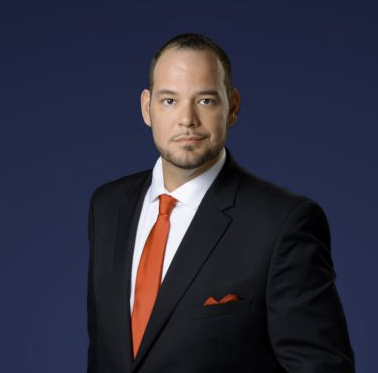
If you have equity — if the home is worth more than you owe — a sale before the foreclosure auction is almost always the best financial outcome. It pays off the lender, clears the lis pendens, and can leave you with remaining proceeds to start over. Even in active foreclosure, you retain the right to sell until the auction is completed and title has transferred. Barrett Henry, REALTOR®, works with homeowners across Miami-Dade County navigating exactly these situations.
Working With a Specialist
When insurance costs, condo assessments, or other pressures have put your mortgage at risk, working through the options with someone who understands Florida's specific process can make a real difference. A HUD-approved housing counselor — reachable at 1-800-569-4287 — offers free, confidential guidance and can help you prepare the financial documentation that is typically required for any loss mitigation application.
Barrett Henry, REALTOR®, offers free consultations for Miami-Dade homeowners who are behind on payments or have received a foreclosure notice. Call (813) 761-0133 or email help@flforeclosurehelp.com, or start online at the Get Help page.
Related Guides
- Miami-Dade County Foreclosure Guide: Process, Timeline, and Options
- Broward County Foreclosure Rate 2026: What Fort Lauderdale Homeowners Need to Know
- Condo Special Assessments and Foreclosure in Florida
- Florida Condo Foreclosure: Special Rules Homeowners Need to Know
- Florida Foreclosures Up 33% in the First Half of 2026: Mid-Year Update
- Florida Foreclosure Rate 2026: What Homeowners Need to Know
- Florida's Insurance Crisis and Its Foreclosure Impact
- What Is a Lis Pendens? A Florida Homeowner's Guide
- Forbearance vs. Loan Modification in Florida: Which Is Right for You?
- Short Sale vs. Foreclosure: Credit Impact Compared
- Deficiency Judgments After Foreclosure in Florida
- Behind on Your Mortgage in Miami? Here Are Your Options
- Florida Homeowner Assistance Fund 2026
- Behind on Mortgage Payments in Florida: All Your Options
If you are behind on your mortgage or have received a foreclosure notice in Miami-Dade County, contact us for a free consultation. There is no cost and no obligation — just honest answers about your options.
This is general information, not legal advice. Foreclosure laws, timelines, and outcomes vary by lender, loan type, and individual circumstance. Consult a qualified Florida attorney for guidance specific to your situation.
Free Resources
- HUD-approved housing counselor: 1-800-569-4287
- HOPE Hotline (24/7): 1-888-995-4673
- FHA Resource Center: 1-800-225-5342
- Barrett Henry, REALTOR®: (813) 761-0133