
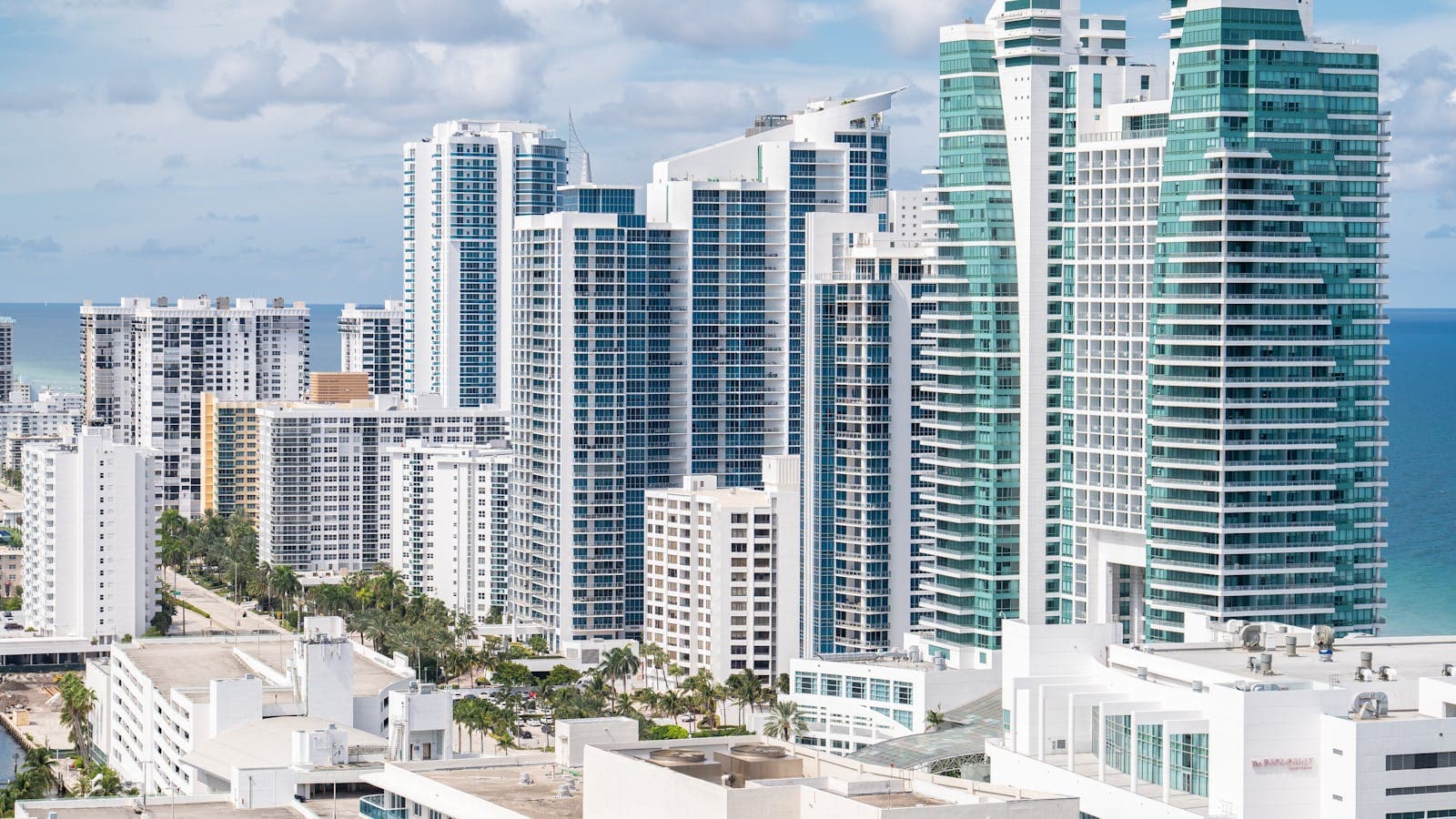
Florida's condo market is under pressure from multiple directions in 2026. Rising insurance premiums, mandatory reserve contributions required under Senate Bill 4-D, and a meaningful increase in condo inventory are combining to soften values in markets across the state. For homeowners who purchased at the 2021-2022 price peak — or who refinanced and pulled equity at that time — these forces may mean you now owe more on your mortgage than your unit is worth on the open market.
If that describes your situation, you are not alone, and you are not out of options. A short sale— selling your home for less than you owe, with your lender's written approval — is the most commonly used exit strategy for underwater homeowners who cannot or do not want to continue holding the property. But a condo short sale has layers that a single-family short sale does not. Understanding those differences is essential to executing one successfully.
Why Florida Condo Values Are Under Pressure in 2026
Three forces are weighing on Florida condo values right now:
- Insurance costs.Average homeowner insurance premiums in Florida have more than doubled since 2022. For condo unit owners, this shows up both in their unit-level policies and in the association's master policy premium — which, when passed through in HOA fees, adds directly to the monthly cost of ownership. Higher carrying costs reduce what buyers are willing to pay. The insurance, HOA, and tax triple threat has pushed many condo owners to the financial edge.
- SB 4-D reserve funding requirements.Florida's Senate Bill 4-D (2022) requires older condo buildings to complete Structural Integrity Reserve Studies and fully fund structural reserves. Starting January 1, 2026, associations that had waived reserves for years are levying special assessments to catch up. These assessments — which can range from a few thousand dollars to tens of thousands of dollars per unit — have pushed many sellers into the market simultaneously and depressed values in affected buildings. Our post on Florida SB 4-D condo reserve requirements covers the legal framework in detail.
- Rising inventory. As owners facing assessments and higher carrying costs list their units, available inventory has grown substantially. More supply at similar demand levels gives buyers negotiating leverage, and prices have softened in many Florida condo submarkets.
When a Traditional Sale Is Not an Option
If your condo's current market value is less than your outstanding mortgage balance plus closing costs and outstanding HOA fees, a traditional sale will not generate enough money to pay off all obligations. Your lender will not accept less than what they are owed without going through a formal short sale approval process.
The alternative — letting the foreclosure run its course — has real and lasting consequences. A short sale affects your credit differently than a foreclosure: both are serious negative events, but a short sale generally lets you apply for a new mortgage sooner and signals to future lenders that you resolved the situation cooperatively. More immediately, a foreclosure judgment can include a deficiency — a court order requiring you to pay the difference between what you owed and what the property sold for at auction. Many short sale lenders waive that deficiency as part of their approval; compare that to a deed in lieu, which also warrants careful evaluation.
If you are currently in foreclosure or worried about whether you can still sell during a foreclosure action, the answer in most cases is yes — as long as the auction has not been held.
How a Florida Condo Short Sale Differs from a Single-Family Short Sale
A condo short sale involves more moving pieces than a typical single-family short sale.
Your Mortgage Lender (and Any Second Lienholders)
Your primary lender — and any second mortgage or HELOC lender — must each approve the sale price and agree to accept less than what they are owed. Each lienholder negotiates separately and independently. Our guide on negotiating with a second lienholder in a Florida short sale walks through how that process works in practice.
Your Condominium Association
The HOA or condo association has a lien on your unit for any unpaid dues, special assessments, late fees, and attorneys' fees. Before the sale can close, that lien must be resolved. In some short sales, the lender's approval letter sets aside a portion of the proceeds for the HOA; in others, the balance must be negotiated directly. Understanding the HOA lien priority rules in Florida — and whether the association has filed a separate foreclosure action against you — is a critical first step. If you are already behind on HOA dues, ask whether a hardship payment plan is available to keep the lien from growing during the marketing period.
Building Warrantability
Buyers using conventional financing (Fannie Mae or Freddie Mac loans) generally cannot purchase in a building classified as non-warrantable. In 2026, a growing number of Florida condo buildings are failing warrantability reviews because of unresolved reserve deficiencies, high investor concentrations, or pending SB 4-D special assessments. A non-warrantable building limits your buyer pool primarily to cash purchasers and portfolio lenders, which affects both pricing and timeline. If your building has warrantability issues, a REALTOR experienced in distressed Florida condo sales can help identify likely buyers and price accordingly.
The Short Sale Process — Five Steps for Florida Condo Owners
1. Establish Your Current Market Value
Request a comparative market analysis from a REALTOR who knows the specific condo submarket where your building sits. The listing price and ultimately the agreed sale price must be defensible to your lender — they will order their own appraisal or broker price opinion before approving any number.
2. Gather Your Hardship Documentation
Lenders require proof of financial hardship, recent bank statements, tax returns, a signed hardship letter, and documentation of the property's value. Many of the same documents used for a loan modification application apply here. Organize them before you contact the servicer so the review can begin without delays.
3. Contact Your Mortgage Servicer
Call the loss mitigation department and tell them you want to apply for a short sale. Federal CFPB regulations require servicers to evaluate all loss mitigation options before completing a foreclosure. Document every call with date, time, and the name of the representative you spoke with.
4. Resolve the HOA Situation
Contact your condo association directly, find out the total amount owed including any special assessments, and determine the association's position on the short sale. Some associations will accept a discounted payoff; others require the full balance. Your lender's short sale negotiator will coordinate with the HOA as part of the approval process.
5. Market the Unit and Negotiate an Offer
Once listed, present accepted offers to your lender for review. The typical Florida short sale timeline from accepted offer to closing is 60 to 120 days, though multiple lienholders can extend that. You will receive a short sale approval letter from each lender when their terms are agreed. Read each letter carefully — specifically the language about whether the deficiency is being waived.
Free Resources for Florida Homeowners
- HUD-approved housing counselors: Call 800-569-4287 for free, confidential guidance. HUD counselors can help you evaluate whether a short sale, loan modification, or other option is best for your situation.
- Florida Bar Lawyer Referral Service: 800-342-8011. A real estate or foreclosure attorney can review your short sale approval letter and advise on deficiency language.
- Florida Short Sale Complete Guide
- Condo Special Assessments and Foreclosure in Florida
How Barrett Henry Can Help
Barrett Henry is a REALTOR® and Broker Associate at REMAX Collective with 23+ years of Florida real estate experience. He specializes in helping condo owners navigate short sales in difficult market conditions, including buildings facing SB 4-D assessments, warrantability issues, and HOA liens. Barrett works with homeowners across Florida and coordinates with lender loss mitigation departments and HOA attorneys on your behalf.
Phone: (813) 761-0133 Email: help@flforeclosurehelp.com
Request a free, confidential consultation →
This article is for informational purposes only and does not constitute legal or financial advice. Florida short sale and foreclosure laws are complex and fact-specific. Consult a licensed Florida attorney and a qualified tax advisor regarding your specific situation before making any decisions.
