
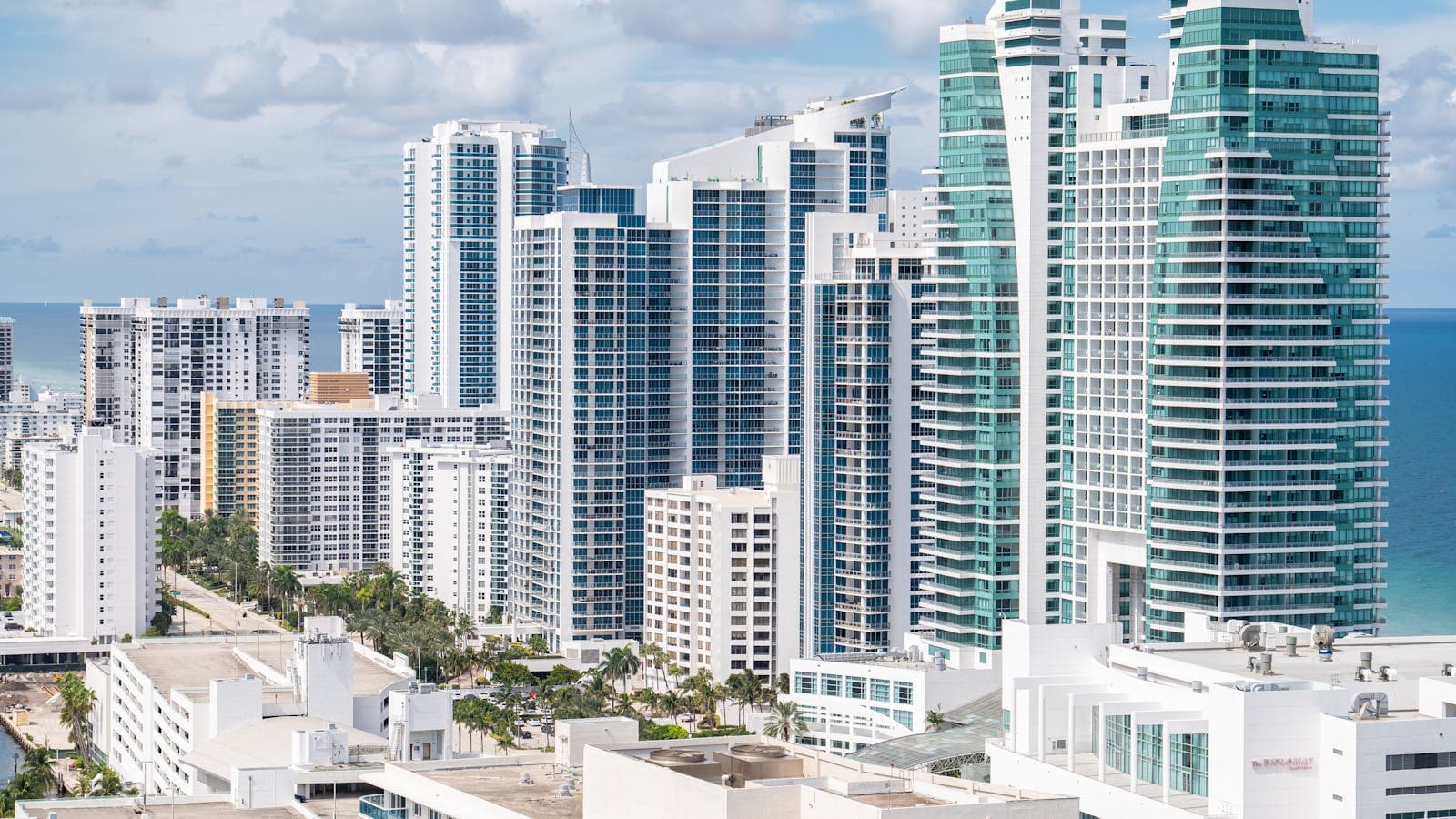
When Florida legislators passed Senate Bill 4D in 2022 — responding to the devastating 2021 Surfside condominium collapse — the goal was clear: never again. The law imposed rigorous new structural inspection and reserve funding requirements on Florida condo associations, and most observers agreed the safety rationale was sound.
What was harder to anticipate was the financial earthquake it would send through the state's condo market four years later. By January 2025, associations were required to fully fund reserves for structural components — and those that had spent years legally waiving or reducing reserve contributions suddenly faced a reckoning. The result, playing out across Florida's condo market in 2026, is a wave of special assessments that some unit owners simply cannot pay.
When an owner cannot pay a special assessment, the association can lien and foreclose. That process — COA foreclosure — is now contributing to a broader surge in Florida foreclosure activity that has pushed the state to the highest foreclosure rate in the nation in the first half of 2026. If you own a condo in Florida and are struggling with assessment demands, this guide explains what the law requires, how the foreclosure path works, and what options you have right now.
What Florida SB 4D Actually Requires
Senate Bill 4D (codified at Fla. Stat. § 718.112 and related sections) introduced two distinct obligations for condominium associations in Florida:
1. Milestone Inspections
Buildings that are three or more stories tall must undergo a milestone structural inspection once they reach 30 years of age (or 25 years if within 3 miles of the coast), and every 10 years thereafter. The inspection must be performed by a licensed engineer or architect and must assess the structural integrity of load-bearing walls, floors, roofs, and other major components. If phase one of the inspection reveals "substantial structural deterioration," a more detailed phase two inspection is required.
2. Structural Integrity Reserve Studies and Mandatory Funding
This is the provision that is driving special assessments in 2026. By December 31, 2024, every covered condominium association was required to complete a Structural Integrity Reserve Study — an engineering assessment that calculates how much money should be set aside annually to cover future major repairs and replacements. And critically: starting January 1, 2025, associations are prohibited from waiving or reducing funding for the reserves identified in that study.
Before SB 4D, Florida condo associations could vote annually to reduce or waive reserve contributions. Many did so routinely — keeping monthly maintenance fees low in the short term while deferring the eventual cost of roof replacements, elevator repairs, and structural work. SB 4D closed that door. Associations that are now underfunded must either ramp up monthly contributions significantly or levy a one-time special assessment to bring reserves to the required level — often both.
For unit owners in buildings that deferred reserve funding for a decade or more, the numbers can be staggering. Special assessments of tens of thousands of dollars per unit are not uncommon, and in some buildings — particularly older high-rises in coastal markets — individual assessments have reached into six figures.
How Special Assessments Lead to Condo Foreclosure
When a condo owner cannot pay a special assessment, Florida law gives the association a clear collection path. Understanding that path matters because many homeowners do not realize how quickly it can move.
First, the association sends written notice of the delinquency. Under Florida Statutes § 718.116, the association may add interest (up to 18% per year) and reasonable attorney's fees to the unpaid balance. If the debt is not resolved, the association records a claim of lien against the unit.
Before initiating foreclosure, the association must send a written notice of intent to foreclose and give the owner at least 45 days to cure the delinquency. If payment is not made within that window, the association can file a lawsuit in circuit court and pursue a foreclosure judgment — the same judicial process used for mortgage foreclosures.
For more on how the HOA and COA foreclosure process works in Florida — including the interaction with your first mortgage — see our guide on HOA foreclosure in Florida and the more detailed overview of special rules that apply to condo foreclosures in Florida.
The Broader Market Context: Why This Is Hitting Harder in 2026
The SB 4D reserve crisis is not happening in a vacuum. Florida's condo market is under pressure from multiple directions simultaneously, and the combination is proving particularly punishing for unit owners.
Record Condo Inventory
Florida's condo and townhome market entered 2026 with approximately 9.7 months of supply — well into buyer's market territory, where 6 months or more is the standard benchmark. Single-family homes carry 5.2 months of supply statewide. Condos are sitting longer on the market, and sellers are cutting prices and offering concessions to compete. For an owner trying to sell to escape a special assessment or looming foreclosure, this soft market reduces the equity cushion available to absorb the assessment at closing.
Mortgage Lending Restrictions on Condo Buildings
Fannie Mae and Freddie Mac have tightened underwriting standards significantly for Florida condo buildings. Buildings with deferred maintenance, underfunded reserves, or pending special assessments may be flagged as "non-warrantable," which limits the pool of buyers who can obtain conventional financing — reducing demand and suppressing prices further. This creates a compounding problem: the same reserve deficiencies that generate special assessments also make the building harder to sell into.
For a detailed look at how Fannie Mae's 2026 restrictions affect your options, read our guide on Fannie Mae condo restrictions and foreclosure options in Florida.
Florida's Overall Foreclosure Surge
Florida recorded 27,494 properties with foreclosure filings in the first half of 2026 — the highest foreclosure rate in the nation at roughly one in every 373 housing units. COA and HOA foreclosures are one part of this picture, alongside mortgage defaults driven by high insurance costs, property tax increases, and the expiration of pandemic-era assistance programs. The mid-year 2026 foreclosure update covers this broader picture in detail.
The shared thread across all these pressures is the same as with SB 4D: the total monthly cost of owning a Florida condo has increased dramatically, and not all owners can absorb those increases. When one cost shock — an insurance hike, a special assessment, or an escrow increase — hits on top of existing financial strain, default and foreclosure can follow quickly. See also our coverage of the triple threat of HOA fees, insurance, and property taxes in Florida foreclosures.
What Happens to Your Mortgage When the COA Forecloses
A frequently misunderstood point: an HOA or COA lien is subordinate to a first mortgage. If the association forecloses and sells the property at auction, the buyer takes title subject to the existing mortgage — meaning the first mortgage does not get wiped out by the HOA foreclosure sale. The bank still has its lien, and the lender may accelerate the loan upon the transfer of title.
In practice, this means that for many condo owners, an HOA foreclosure action also triggers a parallel problem with their mortgage lender. The safest approach is to treat the HOA notice as an urgent signal to contact your mortgage servicer and a foreclosure attorney — not to wait and see whether the HOA actually follows through.
If your mortgage servicer is also putting pressure on you, review how condo special assessments interact with the mortgage foreclosure process and understand your rights at each stage.
Your Options If You Are Facing This Situation
If you have received a special assessment notice you cannot pay, or an HOA/COA lien or lawsuit has already been filed, you have more options than you may realize — but the window to act effectively is shorter than most people think. Here is where to start.
Request a Payment Plan From the Association
Florida Statutes § 718.116(3) allows condo associations to enter into payment plan agreements with delinquent owners. The association is not required to offer one, but many boards prefer a structured payment agreement over the cost and delay of litigation. Make this request in writing as early as possible — before a lien is recorded and before attorney's fees compound the balance.
Explore Financing Options
If you have equity in your condo, a home equity line of credit (HELOC) or a personal loan may allow you to pay the special assessment now and spread the cost over time. Given the current condo market, getting an accurate equity estimate before pursuing this route is important — the assessment plus the mortgage may exceed the current market value in some buildings, making this approach unworkable.
Consider Selling Before the Association Files Suit
If you have equity and cannot afford the assessment, selling voluntarily is often the most financially sound option. A sale allows you to pay off the mortgage, the special assessment, and any other liens from the proceeds, and to exit without a foreclosure judgment affecting your credit. Even in a soft condo market, a voluntary sale produces a better outcome than a COA or mortgage foreclosure for most owners.
See our guide on selling your home during the Florida foreclosure process and the broader overview of selling before foreclosure in Florida. If you owe more than the condo is worth, a short sale or deed in lieu of foreclosure may be a better alternative than allowing either the HOA or the mortgage lender to foreclose.
Stop the HOA Foreclosure Directly
Once an HOA or COA files a foreclosure lawsuit, you still have options to stop or delay it — including contesting the amount owed, challenging procedural defects, or paying the balance (which the court will accept at any time before the sale). Read our step-by-step guide on how to stop an HOA foreclosure in Florida for a detailed breakdown of the available defenses and timing.
Bankruptcy as a Tool to Pause HOA and Mortgage Foreclosure
Filing for bankruptcy triggers an automatic stay that immediately halts both mortgage foreclosure and HOA foreclosure proceedings. Chapter 13 bankruptcy allows you to restructure past-due HOA assessments into a 3-to-5-year repayment plan while keeping your home. Chapter 7 can discharge certain debts, though it does not eliminate secured liens. Both strategies require careful analysis, and not every homeowner qualifies. See our overview of using Chapter 13 bankruptcy to stop foreclosure in Florida.
Talk to a HUD-Approved Housing Counselor — For Free
If your mortgage is also at risk, a HUD-approved housing counselor can help you evaluate your loan modification options, review your servicer's loss mitigation process, and coordinate between your mortgage situation and the HOA issue. This service is free. Call 1-800-569-4287 or read our guide on how HUD housing counseling works for Florida foreclosures.
What to Do Right Now
If you have received a special assessment notice that you cannot pay, do not wait for the 45-day notice to foreclose before taking action. The earlier you engage — with the association, with your mortgage servicer, and with a qualified professional — the more options you have.
Barrett Henry, REALTOR®, works with Florida condo owners navigating these exact situations. That means helping you understand your equity position, walk through your alternatives, and connect you with trusted local attorneys and HUD-approved counselors. There is no cost for an initial conversation.
Call (813) 761-0133 or email help@flforeclosurehelp.com. You can also visit the Stop Foreclosure Florida page or use the foreclosure defense resources to understand where you stand in the process.
Related Guides
- HOA Foreclosure in Florida: How It Works
- Condo Foreclosure: Florida's Special Rules
- Condo Special Assessments and Foreclosure
- Fannie Mae Condo Restrictions and Foreclosure Options in Florida
- How to Stop an HOA Foreclosure in Florida
- HOA Fees, Insurance, and Property Taxes: Florida's Triple Threat
- Florida Foreclosure Mid-Year 2026 Update
- Chapter 13 Bankruptcy to Stop Foreclosure in Florida
- Can I Sell My House During Foreclosure in Florida?
- Deficiency Judgments After Florida Foreclosure
- Sell Before Foreclosure in Florida
- Short Sale in Florida
This is general information, not legal advice. Florida condominium and foreclosure law is complex, and your specific situation — the loan type, the association's governing documents, the building's financial condition, and your equity position — determines which options are available to you. Consult a qualified Florida attorney before taking action.
Free Resources
- HUD-approved housing counselor: 1-800-569-4287
- HOPE Hotline: 1-888-995-4673
- FHA Resource Center: 1-800-225-5342
- Barrett Henry, REALTOR®: (813) 761-0133
