If you are facing foreclosure in Gulf County, Florida, you are not alone — and you have more options than you might think. Gulf County is part of the Panhandle region, with major communities including Port St. Joe, Wewahitchka. Whether you purchased your home years ago or recently, understanding how the local foreclosure process works is the first step toward protecting yourself.
This guide covers everything Gulf County homeowners need to know: the foreclosure timeline, courthouse information, how to find your case records, and every option available to stop or avoid foreclosure.
How Does Foreclosure Work in the 14th Judicial Circuit?
Gulf County is part of Florida's 14th Judicial Circuit. All foreclosure cases in Gulf County are filed at the Gulf County Courthouse at 1000 Cecil G Costin Sr Blvd, Port St. Joe, FL 32456.
Florida is a judicial foreclosure state, which means your lender must file a lawsuit and get a court order before they can take your home. The lender files a lis pendens (a public notice of the pending lawsuit) and a foreclosure complaint, then serves you with the legal papers. You have 20 days from the date you are served to file a written answer with the court.
If you do not file an answer within that 20-day window, the lender can request a default judgment — which allows the court to move forward without a full hearing on the merits of the case. This significantly accelerates the timeline toward a foreclosure sale.
What Is the Gulf County Foreclosure Timeline?
The typical Gulf County foreclosure timeline runs 8-14 months from filing to sale:
| Stage | Typical Timeframe |
|---|---|
| Missed payments before filing | 3-6 months |
| Lis pendens filed + complaint served | Month 1 |
| 20-day answer deadline | Month 1-2 |
| Discovery and motions | Months 3-8 |
| Summary judgment hearing | Months 6-10 |
| Foreclosure sale | Months 8-14 |
These timelines are estimates based on typical case progression in the 14th Judicial Circuit. Contested cases — where the homeowner files an answer and raises defenses — take longer. Uncontested cases where no answer is filed can move faster.
Your Options to Stop Foreclosure in Gulf County
Gulf County homeowners have several strategies to stop or avoid foreclosure. The right choice depends on your income, how much equity you have, and how far along the case has progressed.
Loan Modification
A loan modificationcan reduce your monthly mortgage payment by lowering your interest rate, extending your loan term, or deferring part of the principal balance. Many Gulf County homeowners qualify through their lender's loss mitigation department, especially if you can demonstrate a hardship that has been resolved or stabilized.
Sell Before the Auction
If your home is worth more than you owe, a pre-foreclosure sale lets you sell the property, pay off the mortgage, and keep any remaining equity — avoiding a foreclosure on your record entirely. If you owe more than the home is worth, a short sale with lender approval can resolve the debt without a foreclosure judgment.
File an Answer
Filing a written answer within the 20-day deadline prevents default judgment and forces the lender to prove their case through the full judicial process. Common defenses include lack of standing, failure to comply with pre-suit notice requirements under Florida Statute 702.036, and errors in the assignment chain of the note and mortgage.
Bankruptcy Protection
Filing Chapter 13 bankruptcy creates an automatic stay that immediately halts foreclosure proceedings. Chapter 13 allows you to repay missed mortgage payments over a 3 to 5 year plan while keeping your home — a strong option for homeowners with stable income who fell behind due to a temporary hardship.
Forbearance
A mortgage forbearance agreement temporarily reduces or pauses your payments while you get back on your feet. This works best when your hardship is truly temporary — like a job loss where you have a new position lined up.
Gulf County Foreclosure Records and Resources
The Gulf County Clerk of Courts provides free online access to court records, including foreclosure cases. You can search by party name, case number, or attorney name. The Gulf County Property Appraiser's website provides tax and assessment records to help you understand your home's current market value — which is critical for evaluating whether selling makes more sense than fighting the foreclosure.
Free foreclosure resources available to Gulf County homeowners:
- Legal Services of North Florida — Free legal assistance for qualifying low-income homeowners facing foreclosure.
- HUD-approved housing counselors — Free counseling to help you evaluate your options and communicate with your lender effectively.
- Florida Foreclosure Help Resources — Our complete list of free foreclosure resources, legal aid, and court links for all 67 Florida counties.
What Happens After a Gulf County Foreclosure Sale?
Many Gulf County homeowners focus entirely on stopping the foreclosure and overlook what can happen financially after the auction. Two outcomes matter most.
Surplus Funds
If the winning bidder at the Gulf County Clerk auction pays more than the total judgment amount (mortgage balance plus fees, costs, and any junior liens), the excess is a surplus. Under Florida Statute 45.032, that surplus belongs to the former homeowner -- not the lender. You must file a claim with the Gulf County Clerk of Courts within 60 days of the sale to collect it. See our guide on Florida foreclosure surplus funds for the full claims process. Cape San Blas peninsula and St. Joseph Peninsula State Park area properties attract vacation-home buyers and coastal investors who can bid competitively -- making surplus claims worth investigating for Gulf County homeowners even if you assumed the auction price would be low.
Deficiency Judgments
If the home sells for less than the total debt, the lender has one year from the date the certificate of title is issued to file a separate lawsuit seeking a deficiency judgment in Florida. Florida law (F.S. 702.06) caps the deficiency at the difference between the judgment amount and the property's fair market value at the time of sale -- not the actual auction price. Gulf County's post-Hurricane Michael (2018) recovery has produced a growing set of coastal and vacation-home comparable sales that can support FMV determinations favorable to homeowners in deficiency proceedings.
Additional Options Worth Knowing About
Beyond the main strategies covered above, Gulf County homeowners should be aware of these additional resources:
- Mortgage reinstatement: Reinstating your loan by paying all overdue amounts in a lump sum stops the foreclosure immediately and restores your original loan terms. You can reinstate at any time before the final judgment.
- Deed in lieu: A deed in lieu of foreclosure transfers the property voluntarily to the lender with a negotiated deficiency waiver -- an option particularly worth exploring in the coastal Gulf County market where lenders value cooperative exits.
- Cash offer: If the timeline is tight, a cash offer from a qualified buyer can close in 7 to 14 days -- fast enough to pay off the mortgage before the auction date.
- Equity estimator: Use our equity estimator to check whether you have enough equity for a full pre-foreclosure sale, which would let you keep the remaining proceeds.
- Hardship letter: Any loss mitigation application requires a hardship letter. Our template walks you through what to include and how to frame your situation effectively.
- Credit impact: Understanding the credit impact of foreclosure versus a short sale or deed in lieu helps you make an informed decision about your next steps.
- Foreclosure checklist: Use our foreclosure survival checklist to track deadlines and action items at each stage of the Gulf County foreclosure process.
Related Resources for Gulf County Homeowners
These guides address foreclosure topics that commonly affect Panhandle homeowners in the 14th Judicial Circuit:
- Bay County Foreclosure Guide -- neighboring 14th Circuit county with Panama City courthouse information
- Franklin County Foreclosure Guide -- neighboring Apalachicola Bay county with its own coastal market dynamics
- Chapter 13 Bankruptcy to Stop Foreclosure -- automatic stay halts 14th Circuit foreclosure proceedings immediately
- How to Claim Florida Foreclosure Surplus Funds -- Gulf County Forgotten Coast properties often attract competitive auction bids
- Deficiency Judgments in Florida -- one-year deadline and the FMV cap that limits what your lender can collect
- Florida Vacation Home and Second Home Foreclosure -- Gulf County vacation properties have unique tax and deficiency considerations
- Hurricane Damage and Mortgage Forbearance in Florida -- Panhandle homeowners may have special hurricane-related forbearance protections
- Can I Sell My House During Foreclosure? -- your rights to sell the Gulf County property before the auction date
Why Local Market Knowledge Matters in Gulf County
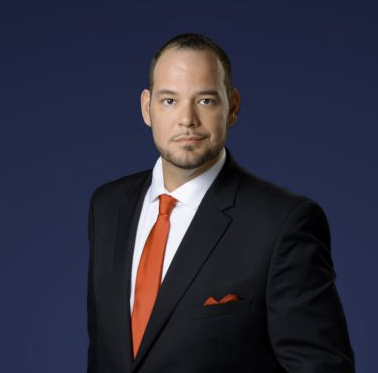
Barrett Henry is a Broker Associate at REMAX Collective with 23+ years of real estate experience working with Florida homeowners in distress. The 14th Judicial Circuit handles Gulf County alongside Bay, Calhoun, Holmes, Jackson, and Washington counties -- a circuit that spans the Florida Panhandle from the Alabama border to the Gulf Coast shoreline.
Gulf County sits in Florida's Forgotten Coast region, a stretch of undeveloped Gulf shoreline between the Panama City Beach resort market to the east and the Apalachicola Bay oyster estuary to the south. Port St. Joe and the Cape San Blas peninsula attract vacation-home buyers and retirees drawn to uncrowded beaches and the St. Joseph Peninsula State Park. This coastal demand creates real equity opportunities for homeowners who understand the local buyer pool -- and real surplus fund potential when auction bidders compete for well-located properties. Use the equity estimator to understand your position before deciding whether a pre-foreclosure sale or auction makes more sense.
Facing foreclosure in Gulf County? Contact us today for a free consultation -- no cost, no obligation. Barrett Henry helps homeowners in all 67 Florida counties.