Volusia County stretches from the Atlantic coast inland through the city of Daytona Beach and the county seat of DeLand to the growing residential community of Deltona. Its homeowners reflect that geographic range -- coastal retirees in Ormond Beach and Daytona Beach Shores, tourism and hospitality workers near the speedway and the beaches, longtime residents in the historic downtown communities of DeLand and New Smyrna Beach, and suburban families in Deltona and Port Orange. When mortgage hardship hits in Volusia County, the cause often differs by community.
A loan modification can restructure your existing mortgage to reduce your monthly payment to a level you can sustain. This guide explains how the process works for Volusia County homeowners, what the 7th Judicial Circuit means for your foreclosure timeline, and how the county's specific economic characteristics -- retirement income, tourism employment, and coastal insurance risk -- factor into the modification process.
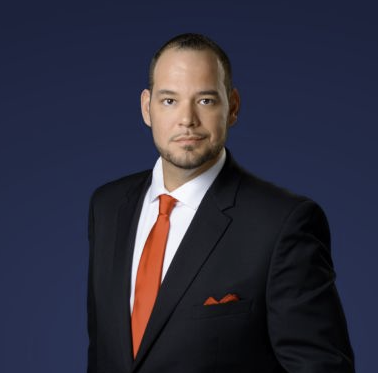
For free assistance now, see the resources listed at the end of this guide or call Barrett Henry at (813) 761-0133 for a free consultation.
What Is a Loan Modification?
A loan modification is a permanent change to one or more terms of your existing mortgage. Depending on your loan type and servicer, a modification may lower your interest rate, extend your loan term, defer a portion of your principal balance to the end of the loan, or combine multiple changes to reach an affordable monthly payment.
Unlike a refinance -- which creates a new loan -- a modification changes your existing loan. This is important because homeowners who cannot qualify for a refinance due to credit damage, reduced income, or insufficient equity may still qualify for a modification. The modification is negotiated through your servicer's loss mitigation department -- not through a new lender or through the courts.
For a comprehensive overview of the modification process including all loan types, documentation requirements, and how the modification waterfall works for conventional, FHA, VA, and USDA loans, see our Florida loan modification guide.
How the 7th Judicial Circuit Affects Volusia County Homeowners
Florida is a judicial foreclosure state. Your lender cannot foreclose on your home without filing a lawsuit, serving you with a summons, and obtaining a final judgment from a circuit court judge. In Volusia County, all foreclosure cases are filed at the Volusia County Courthouse, 101 N Alabama Ave, DeLand, FL 32724, through the 7th Judicial Circuit. The 7th Circuit covers Volusia, Flagler, St. Johns, and Putnam counties.
Loan modification is a loss mitigation process that takes place outside of court, directly with your servicer. However, if a foreclosure lawsuit has already been filed against you, submitting a complete loan modification application will pause the foreclosure sale process under CFPB Regulation X while your application is under review. For a full timeline of the Florida foreclosure process, see our Florida foreclosure timeline and our Volusia County foreclosure guide.
Retirement and Fixed Income Homeowners in Volusia County
Volusia County has a significant retiree population, particularly in the beach communities of Ormond Beach, Daytona Beach Shores, and New Smyrna Beach, as well as in the inland cities of DeLand and Orange City. Many of these homeowners purchased their properties when they were working and their incomes were higher. Now on fixed incomes from Social Security, pensions, or retirement account distributions, they may find their housing costs have outpaced their income -- especially as insurance premiums have risen sharply in coastal areas.
Retirement income does not disqualify you from loan modification. In fact, the predictability of fixed income can be an advantage in the modification process because the servicer can clearly calculate whether a modified payment is sustainable. Social Security award letters, pension benefit statements, and retirement account distribution records all serve as income documentation. If your housing costs have increased beyond what your fixed income can support, that is a qualifying hardship. See our guide on what to do if you are behind on your mortgage in DeLand or behind on your mortgage in Daytona Beach.
Tourism and Hospitality Income Disruption
Daytona Beach is one of Florida's most recognized tourism destinations, anchored by the Daytona International Speedway and the Atlantic beach corridor. A significant portion of Volusia County residents work in hotels, restaurants, retail, event services, and other industries that depend on visitor spending. Tourism-dependent employment can be unpredictable -- slow seasons, canceled events, or broader economic downturns can reduce income sharply.
For homeowners whose income is tied to tourism or hospitality, documenting income disruption requires gathering pay stubs covering the period of reduced income, employer letters confirming reduced hours or layoffs, and prior-year W-2 or tax return documentation showing your normal income level. The comparison between your prior income and your current income is what establishes the hardship. Even a temporary income reduction that led to missed mortgage payments can qualify as hardship for modification purposes if properly documented.
Hurricane Storm Surge Risk and Insurance in Coastal Volusia County
Volusia County's Atlantic coastline faces hurricane and tropical storm risk, with storm surge being the primary danger for homes in Daytona Beach, Ormond Beach, Daytona Beach Shores, Ponce Inlet, and New Smyrna Beach. Properties in designated storm surge zones face challenges in the homeowners insurance market, as carriers have tightened underwriting for coastal Florida properties and in some cases declined to renew policies.
If your insurance costs have increased significantly because your property is in a coastal zone, or if you have been non-renewed by a private carrier and placed into Citizens Property Insurance, the resulting payment increase may create a qualifying hardship for loan modification purposes. Document your insurance history with old and new policy declarations pages, any non-renewal notices, and your current coverage documents. For more context, see our guide on the Florida foreclosure and insurance crisis.
Qualifying for a Loan Modification in Volusia County
To qualify for a modification, you must demonstrate two things: a documented financial hardship, and the ability to make the proposed modified payment. Common qualifying hardships include job loss, income reduction, retirement income shortfall, divorce, death of a co-borrower, major medical expenses, disability, and cost increases that made the payment unaffordable -- including insurance premium increases, rising property taxes, and healthcare costs that grew faster than fixed income.
For the full documentation checklist and how to write a hardship letter that clearly explains your situation, see our guide on how to qualify for a loan modification in Florida. For information on what protections apply if your servicer tries to proceed with foreclosure while reviewing your application, see can a bank foreclose during a loan modification.
What Happens During the Trial Modification Period
Most loan modifications include a trial payment period of three to four months. During the trial, you make the proposed modified payment on time each month. Successfully completing the trial results in a permanent modification agreement. Missing a trial payment, or making it late, can result in trial modification cancellation.
If your modification application is denied, your servicer must provide a written explanation, and you have 14 days to appeal. Additional options after a denial may include a repayment plan, forbearance, deed in lieu of foreclosure, or a short sale. See our guides on what to do when a loan modification is denied in Florida, forbearance exit options in Florida, and Chapter 13 bankruptcy to stop foreclosure in Florida.
If your situation involves a potential deficiency balance, see our guide on deficiency judgments in Florida. For homeowners who may need to sell rather than keep the home, see our overview of the Florida short sale process and what to expect after a short sale or foreclosure when it comes to buying a home again in Florida.
Free Resources for Volusia County Homeowners
Several free resources are available to Volusia County homeowners facing mortgage hardship:
- Community Legal Services of Mid-Florida -- 1-800-405-1417 -- provides free civil legal assistance to qualifying homeowners in Volusia County and surrounding areas.
- HUD-Approved Housing Counseling -- Free mortgage counseling from agencies certified by the U.S. Department of Housing and Urban Development. See our guide on HUD-approved foreclosure counseling in Florida.
- Florida Housing HAF Program -- (833) 987-8997 -- the Florida Homeowner Assistance Fund may provide direct financial assistance to qualifying homeowners facing foreclosure.
Barrett Henry is a REALTOR and Broker Associate at REMAX Collective with 23+ years of real estate experience. His direct service area covers the greater Tampa Bay region. For Volusia County homeowners, he provides free consultations and works with knowledgeable referral partners in the area. Call (813) 761-0133 for a free consultation with no obligation. Under the MARS Rule (12 C.F.R. §1015), no upfront fees are ever charged for loan modification counseling or short sale assistance.
Daytona Beach, DeLand, and Deltona Homeowner Resources
For more context on the Volusia County foreclosure landscape and what your options are, see our Volusia County foreclosure guide. For homeowners in specific cities who need immediate guidance on what to do about a missed or late mortgage payment, see our guides for behind on your mortgage in Daytona Beach and behind on your mortgage in DeLand. After a modification, short sale, or foreclosure, see our guide on buying a home after foreclosure or short sale in Florida for waiting period requirements by loan type.