
A health crisis does not usually feel like a foreclosure risk — not at first. The hospital bills arrive weeks after discharge. The insurance disputes take months to resolve. By the time a Florida homeowner realizes their medical debt has grown large enough to destabilize their budget, they may already be a payment or two behind on their mortgage.
A January 2026 study from the Johns Hopkins Bloomberg School of Public Health, published in JAMA Network Open, found that adults with medical debt had a 44% higher risk of subsequent housing instability — including difficulty paying rent or mortgage, eviction, or foreclosure — compared to those without medical debt. Among study participants with medical debt, 23.5% reported housing instability the following year, compared to just 5.8% of those without it. About one in six U.S. adults reported carrying medical debt at the time of the survey.
Florida homeowners facing this intersection of medical hardship and mortgage stress need two distinct sets of facts: the strong legal protection Florida law already provides, and the very real indirect risks that the same law cannot prevent.
Florida's Homestead Exemption: What Medical Creditors Cannot Do
Florida's constitutional homestead exemption is one of the most powerful creditor protections available to homeowners anywhere in the country. Under Florida law, a medical creditor — a hospital, a physician group, an ambulance company, or a collection agency acting on any of their behalf — cannot place an enforceable lien on your primary residence and cannot force the sale of your homestead to collect a medical debt.
Even if a hospital obtains a court judgment against you, that judgment does not attach to homestead property. The Florida Constitution protects homestead from forced sale under any court process, with no dollar cap on the protected equity. A home worth $800,000 with $200,000 in equity receives the same protection as a home worth $200,000 with $50,000 in equity. Florida's homestead exemption limits are explained in more detail in that dedicated guide, but for purposes of medical debt: the protection is essentially absolute for your primary residence.
This means a hospital cannot do what a mortgage lender can do. Your mortgage lender holds a security interest in the property itself — a lien that was part of the original loan agreement — and can foreclose if payments are missed. A medical creditor has no such lien. Their only path to collecting from a homesteaded property would be to wait until you sell, at which point the homestead protection no longer applies to cash proceeds.
The protection also extends to your spouse. Florida's homestead exemption and foreclosure guide covers the spousal rules and how they interact with both mortgage and non-mortgage creditors.
The Indirect Risk That the Exemption Cannot Stop
The homestead exemption protects your home from a direct medical lien. It does not protect your mortgage from the financial pressure that medical debt creates.
Here is how medical debt leads to foreclosure in practice, even when no hospital can touch the home directly:
Diverted cash flow. A homeowner managing $800 or $1,200 in monthly medical payments — even on a hospital payment plan — has less money available each month for their mortgage. When that gap persists for several months, the mortgage falls behind. Once two or three payments are missed, the servicer may refuse to accept partial payments, and the homeowner cannot get current without paying the full arrears in a lump sum. This is the most common path from medical event to foreclosure filing.
Wage garnishment. If a medical creditor obtains a judgment and you have not claimed a wage exemption, they may garnish a portion of your paycheck. Florida law exempts the wages of a head of household from garnishment in most circumstances, but collecting and enforcing that exemption requires action on your part. A wage garnishment that reduces your take-home pay by even $200 or $300 per month can be the difference between making a mortgage payment and not.
Credit score damage. Medical debt reported to credit bureaus lowers your credit score, sometimes significantly. A lower score can block you from refinancing into a more affordable payment, prevent approval for a loan modification in some circumstances, and signal risk that makes your servicer less cooperative in loss mitigation discussions. Under current CFPB guidance, medical debt under $500 cannot be reported, and paid medical debt must be removed from credit reports — but collections on larger, unpaid balances can still appear and cause damage.
Inability to access equity. Homeowners who fall behind on their mortgage while carrying significant medical debt often discover that they cannot access a home equity line or do a cash-out refinance to catch up — their credit score is too low, or their debt-to-income ratio too high. This eliminates one of the most common self-rescue options for Florida homeowners with equity.
Mortgage Payments Come First
When medical bills and mortgage payments compete for the same dollars, the mortgage must come first. This is not intuitive — hospitals send aggressive collection letters, and the emotional weight of medical debt can feel more urgent than a mortgage statement. But the practical consequences are different.
A medical debt in collections damages your credit and may result in a lawsuit, but a creditor cannot take your Florida homestead. A missed mortgage payment begins a process that can end with you losing your home. Most Florida hospitals are required by state law to offer charity care programs, and virtually all will negotiate a hardship payment plan — even zero-interest plans spread over several years — for patients who demonstrate financial need. Your mortgage servicer's hardship programs are far more limited and time-sensitive.
Call the hospital's billing department before calling your servicer. Explain the situation and request a financial hardship application. Many Florida hospitals will reduce or eliminate balances for homeowners whose income falls below certain thresholds. Once the medical debt is on a manageable payment plan or reduced, bring that documentation to your servicer when discussing loan modification options.
If You Are Already Behind on Your Mortgage
If a medical event has already caused you to fall behind on your Florida mortgage, the options available depend on how far behind you are and whether a foreclosure has been filed. The full guide to options when you are behind on your Florida mortgage covers each alternative in detail, but here is how medical hardship intersects with each:
Repayment plan. If you are one to three payments behind and your income has stabilized after the medical event, a repayment plan spreads the arrears over six to twelve months added to your regular payment. This requires demonstrating that you can afford both the catch-up amount and your regular payment. A letter from your employer confirming you have returned to work, or documentation that your medical treatment has concluded, can support a servicer's confidence in your ability to maintain the plan.
Forbearance. If you are still in active medical treatment and your income has not recovered, a forbearance agreement pauses or reduces payments for a defined period — typically three to six months, sometimes longer. Medical hardship is explicitly recognized as a qualifying reason for forbearance under most loan programs. The difference between forbearance and a loan modification matters here: forbearance is temporary, and the paused payments will come due at the end of the forbearance period. If your income may not fully recover, a modification may be the better long-term solution.
Loan modification. A modification changes the permanent terms of your loan — interest rate, term, or principal — to make the payment sustainable given your new financial reality. Medical hardship that has permanently changed your income or budget is one of the stronger qualifying scenarios for a modification. The guide to qualifying for a Florida loan modification explains what documentation servicers require and how to present a medical hardship effectively.
Hardship letter. Every loss mitigation application requires a written explanation of what happened and why your situation has changed. A medical event is a compelling and well-documented hardship. The Florida mortgage hardship letter template walks through what to include and how to frame a medical hardship effectively for servicer review.
Bankruptcy. When medical debt is large enough to make the total debt load unsustainable — not just the mortgage, but all obligations combined — Chapter 13 bankruptcy can restructure both mortgage arrears and medical debt in a single court-supervised plan. Chapter 13 is specifically designed for homeowners who want to keep their home: it lets you cure mortgage arrears over the life of the plan while simultaneously reducing or eliminating medical and other unsecured debt. If keeping the home is not the goal, Chapter 7 bankruptcy can discharge medical debt and provide a fresh start, though it does not resolve mortgage arrears on its own.
The Homeowner Assistance Fund and Medical Hardship
Florida's Homeowner Assistance Fund (HAF) — a federal program administered by the Florida Department of Economic Opportunity — can cover overdue mortgage payments, property taxes, homeowners insurance, and HOA fees for qualifying homeowners who experienced pandemic-related hardship. Medical hardship that occurred during or was exacerbated by the pandemic period may qualify.
The HAF program is scheduled to close in September 2026 or when funds run out — whichever comes first. If you have not yet applied and you are behind on any housing costs, apply immediately. The Florida Homeowner Assistance Fund guide explains the eligibility requirements and application process.
Separately, the Florida emergency mortgage assistance programs guide covers other state and local resources that may be available regardless of the HAF deadline.
When to Consider Selling Before Foreclosure
If you carry positive equity in your Florida home — meaning your property is worth more than you owe — and your medical situation has permanently changed your ability to afford the mortgage, a pre-foreclosure sale may produce the best financial outcome. A marketed sale completed before a final foreclosure judgment avoids a foreclosure on your credit record, preserves the equity you have built, pays off all liens including medical judgment liens on non-homestead assets, and gives you funds to stabilize your housing situation going forward.
A pre-foreclosure sale requires acting before a final judgment is entered. Many Florida homeowners who entered the foreclosure pipeline in 2024 and early 2025 still have enough time to list and sell — but that window narrows as the case advances. The guide to selling before the foreclosure auction explains the timeline and what to expect.
If your home is worth less than you owe, a short sale or other alternatives to foreclosure may still be available. Contact Barrett Henry at (813) 761-0133 for a free equity assessment. Understanding your current equity position is the single most important piece of information for making the right decision in this situation.
Free Resources for Florida Homeowners Facing Medical and Mortgage Hardship
Several free resources specifically serve Florida homeowners navigating both medical debt and mortgage trouble:
HUD-approved housing counselors (1-800-569-4287) are free, federally certified counselors who can review your mortgage situation, communicate directly with your servicer, and help you understand every available option. They are not affiliated with any lender and will not try to sell you anything.
Florida Legal Aid organizations provide free legal help to qualifying homeowners for both foreclosure defense and debt collection issues, including medical debt. The guide to free legal aid for Florida foreclosure lists organizations by region.
Hospital financial assistance programs are available at virtually every Florida hospital. Ask for the patient financial services or financial assistance department directly — not the billing department. Bring documentation of your income, mortgage statement, and any outstanding housing-related debts. Many Florida hospitals will reduce or zero out balances for patients below certain income thresholds.
A full directory of free state and federal resources is in the free Florida mortgage help resources guide.
Talk to Someone Who Can Help You Sort This Out
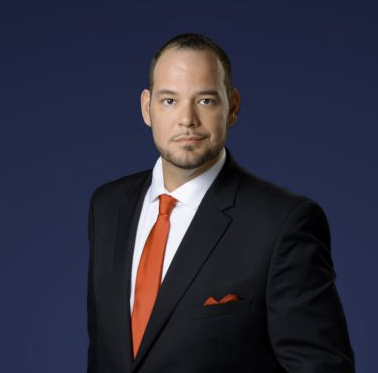
A medical event that disrupts your household finances is not a simple problem, and the decisions you make in the next few weeks can affect your housing situation for years. Barrett Henry, REALTOR®, works with Florida homeowners who are facing foreclosure — including those whose hardship started with a health crisis — to evaluate their equity, explain every option, and connect them with the legal and counseling resources that fit their situation. Every conversation is free and confidential.
Call (813) 761-0133, email help@flforeclosurehelp.com, or visit the Get Help page to start the conversation online.
Related Guides
- 8 Ways to Stop Foreclosure in Florida
- Options When You Are Behind on Your Florida Mortgage
- Florida Loan Modification Guide
- Florida Homestead Exemption and Foreclosure
- Chapter 13 Bankruptcy to Stop Florida Foreclosure
- Florida Mortgage Hardship Letter Template
- Free HUD Housing Counselors in Florida
- Florida Homeowner Assistance Fund 2026 Guide
- Pre-Foreclosure Home Sale Guide for Florida Homeowners
- Free Legal Aid for Florida Foreclosure
This is general information, not legal or financial advice. Florida homestead exemption rules, medical debt collection laws, and foreclosure procedures vary by circumstance. Consult a qualified Florida attorney for guidance specific to your situation.
Free Resources
- HUD-approved housing counselor: 1-800-569-4287
- HOPE Hotline: 1-888-995-4673
- Florida HAF Program: 1-800-569-4287
- Barrett Henry, REALTOR®: (813) 761-0133