
Florida homeowners are navigating two overlapping crises in August 2026: a foreclosure surge that has pushed the state to the top of every national ranking, and an insurance landscape reshaped by several rounds of reform legislation. For homeowners who are already behind on their mortgage, the 2026 insurance rule changes introduce new urgency — and new risks — that are not yet widely understood.
This guide covers what changed, what it means in practice, and what you need to do right now if you are carrying both financial distress and Florida homeowners insurance.
What Changed in Florida's Insurance Rules in 2026
The reforms that now govern Florida's property insurance market were not enacted all at once. They are the cumulative result of legislation passed in 2022 and 2023, all of which is now fully in effect heading into the 2026 hurricane season. Three changes matter most for homeowners in financial distress.
The Claim-Filing Window Is Now One Year
You now have one year from the date of loss to file a new homeowners insurance claim in Florida — down from the previous two-year deadline. For supplemental claims on a loss you have already reported, the window is 18 months from the date of loss.
This change matters enormously for homeowners under financial stress. When you are worried about foreclosure, it is easy to delay filing an insurance claim for roof damage, water intrusion, or other storm-related losses — especially if you don't have the cash for repairs anyway. The old two-year window gave some breathing room. The new one-year rule does not. Miss the deadline and your claim is barred, regardless of how legitimate the underlying damage is.
If your home sustained any damage — from storms, from deferred maintenance that worsened after a weather event, or from any covered peril — file a claim and document it now, even if you cannot complete repairs yet. You can always withdraw or adjust a claim; you cannot refile after the deadline passes.
Insurers Must Decide in 60 Days
On the positive side, Florida's 2026 rules require insurers to accept or deny a claim within 60 days of receiving documentation — down from the previous 90-day window. That is faster than before, which benefits homeowners waiting on a resolution so they can plan repairs or list their home.
However, a faster decision is not necessarily a fair one. The same tort reform that shortened the insurer's response window also made it harder for you to challenge the decision in court.
Tort Reform Has Limited Your Legal Options
This is the change that has attracted the most criticism from consumer advocates. Florida's 2022 and 2023 tort reform legislation eliminated the one-way attorney fee provision that previously allowed homeowners to recover legal fees if they successfully sued an insurer over a denied or underpaid claim. Without that provision, hiring an attorney to challenge a denial involves upfront costs that many homeowners — especially those already under financial pressure — cannot absorb.
The practical result: insurers face less legal exposure when they deny or underpay claims, which changes the incentive structure for resolving disputes. For homeowners in foreclosure or near it, a denied insurance claim after a storm is no longer just a frustrating setback — it can be a financial event that eliminates remaining options. The broader impact of this dynamic is examined in the foreclosure and insurance crisis guide.
Citizens Rate Reductions: A Partial Bright Spot
Not all of the 2026 insurance news is negative. Citizens Property Insurance Corporation — Florida's insurer of last resort — is implementing an average 8.7% rate reduction statewide for 2026, with larger reductions in South Florida: Broward County is seeing approximately 14.1% lower premiums and Miami-Dade approximately 13.9%.
For homeowners who were priced out of the private market and forced to Citizens — or who let their policy lapse entirely because premiums became unaffordable — this is meaningful relief. The average Florida homeowner insurance premium has been running above $4,200 annually, more than double the national average. Even after reductions, Florida insurance costs remain elevated, but the direction has changed.
If you dropped your coverage due to cost or received a non-renewal notice from a private carrier, Citizens remains an option. Contact a licensed Florida insurance agent or visit the Citizens website to see whether you qualify. Keeping insurance active is critical for homeowners in financial distress — for reasons explained in the next section. The risks of non-renewal on a home in financial distress are covered in detail in the Florida insurance non-renewal foreclosure risk guide.
What These Changes Mean If You Are Behind on Your Mortgage
The insurance rule changes interact with mortgage default in several specific ways that every at-risk homeowner should understand.
Force-Placed Insurance Can Accelerate Default
If you let your homeowners insurance policy lapse, your mortgage servicer is authorized to purchase force-placed insurance on your behalf and add the cost to your loan balance. Force-placed insurance premiums are typically far higher than standard market rates, and the coverage is narrower — it protects the lender's interest in the structure but generally does not cover your personal property, liability, or additional living expenses if the home becomes uninhabitable after a storm.
More immediately, the added cost makes catching up on missed payments harder. If you are already struggling with the mortgage, adding hundreds of dollars per month in force-placed insurance charges can push a manageable delinquency into active foreclosure territory. Maintaining your own insurance during foreclosure is almost always preferable to accepting the lender's force-placed alternative.
Storm Damage During Foreclosure Complicates Every Option
If a storm damages your home while foreclosure proceedings are pending, the consequences ramify through every available exit strategy.
A pre-foreclosure sale becomes harder: buyers and their lenders require clear title and habitable, insurable property. Storm damage that has not been repaired or fully documented through the insurance process can derail a sale contract.
A loan modification may be delayed: servicers sometimes pause loss mitigation reviews when a property is under a disaster declaration or the condition of the collateral is unclear. Getting your insurance claim resolved quickly removes one source of delay.
A short sale depends on the lender accepting a net proceed below your loan balance. A storm-damaged home that appraises lower because of unrepaired damage can actually help establish hardship — but only if the insurance claim has been properly filed and documented. An unfiled claim whose deadline has passed adds uncertainty without any benefit.
The intersection of hurricane season and foreclosure timing is covered fully in the hurricane season 2026 and foreclosure risk guide.
The One-Year Deadline Runs Regardless of Your Court Timeline
Florida's judicial foreclosure process typically takes a year or more from lis pendens to final judgment. The insurance claim deadline of one year from date of loss does not pause because you are in litigation, in loss mitigation review, or in forbearance. These are parallel tracks, and both have hard deadlines.
A homeowner who experienced storm damage in September 2025 and has been focused on the foreclosure case — assuming there would be time to deal with insurance later — faces a September 2026 insurance filing deadline that arrives regardless of where the foreclosure case stands. If you have unresolved storm damage from the past year, prioritize filing the insurance claim now.
Practical Steps for Homeowners Under Financial Pressure
Given the compressed timelines and reduced legal options, here is what to prioritize.
Document any unresolved damage now. Walk your property and photograph every area of potential concern — roof, soffits, windows, doors, gutters, exterior walls. Even if you file a claim and the adjuster finds no covered loss, you will have documented the property condition. If you find covered damage, you have not missed the deadline.
Verify your policy status. Call your insurance company or agent today and confirm your policy is current, your premium is paid, and your servicer is listed as loss payee. If your policy has lapsed, contact Citizens or an independent agent to reinstate or replace coverage before a storm forces the lender to act.
Engage your servicer on mortgage options at the same time. Insurance stability and mortgage stability are linked. If your servicer knows you are actively maintaining insurance and pursuing loss mitigation, that context can matter in how quickly they process your modification or forbearance request. The Florida loan modification guide explains what servicers are required to consider and what documentation to prepare.
If a claim is denied, act quickly. Under the current rules, your options for challenging a denial narrow fast. Request the insurer's written denial letter immediately, check whether your policy has an appraisal clause for amount disputes, and contact the Florida Department of Financial Services if you believe the denial violates your policy terms. For the full process, see the guide on what to do if your Florida insurance claim is denied.
Consider whether your equity still creates options. If your home has appreciated since you purchased it, you may have more room to maneuver than you think — even with storm damage and a pending foreclosure. A pre-foreclosure sale can allow you to pay off your mortgage, clear your insurance situation, and avoid a foreclosure judgment entirely. Many Florida homeowners who entered the foreclosure pipeline in 2024 and 2025 still have positive equity.
Call a free HUD counselor. HUD-approved housing counselors are available at no cost and can help you review your mortgage options, contact your servicer on your behalf, and navigate Florida-specific programs. Reach them at 1-800-569-4287. This step is free and carries no obligation.
Talk to Someone Today
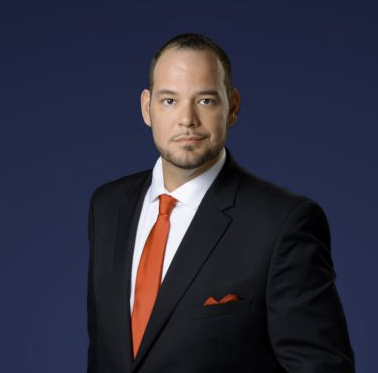
Barrett Henry, REALTOR®, works directly with Florida homeowners navigating the overlap of mortgage distress, insurance challenges, and the foreclosure timeline. Whether the question is about your equity position, your pre-foreclosure options, or what a short sale would look like in your situation, every conversation is confidential and comes with no obligation.
Call (813) 761-0133, email help@flforeclosurehelp.com, or visit the Get Help page to start the conversation online.
Related Guides
- 8 Ways to Stop Foreclosure in Florida
- Foreclosure and the Florida Insurance Crisis
- Maintaining Homeowners Insurance During Foreclosure
- Force-Placed Insurance and Florida Foreclosure
- Florida Insurance Non-Renewal and Foreclosure Risk in 2026
- What to Do If Your Florida Insurance Claim Is Denied
- Hurricane Season 2026 and Florida Foreclosure Risk
- Florida Foreclosure August 2026 Monthly Update
- Florida Loan Modification Guide
- Pre-Foreclosure Home Sale Guide for Florida Homeowners
This is general information, not legal advice. Insurance rules, coverage terms, and foreclosure timelines vary by policy, lender, loan type, and local court. Consult a qualified Florida attorney and a licensed insurance professional for guidance specific to your situation.
Free Resources
- HUD-approved housing counselor: 1-800-569-4287
- HOPE Hotline: 1-888-995-4673
- FL Dept. of Financial Services (insurance complaints): 1-877-693-5236
- Barrett Henry, REALTOR®: (813) 761-0133